In a move to control expenses and realign its corporate strategy, restaurant chain Cracker Barrel has implemented strict new rules for its employees traveling for work. The guidelines, which came to light through a leaked internal memo, require employees to eat most of their meals at the chain’s own stores and prohibit the purchase of expensive alcoholic beverages at the company’s expense unless there is special approval. The measure comes at a delicate time for the company, which recently faced a failed attempt to reposition its brand and public criticism.
The chain seeks to reverse a period of instability after a reformulation project that generated significant losses and dissatisfaction among its loyal clientele. Esta new travel expense policy reflects an intensification of cost-cutting efforts as the company tries to regain its financial health and the confidence of its investors, as well as calm the voices that question its strategic direction.
New travel expense rules
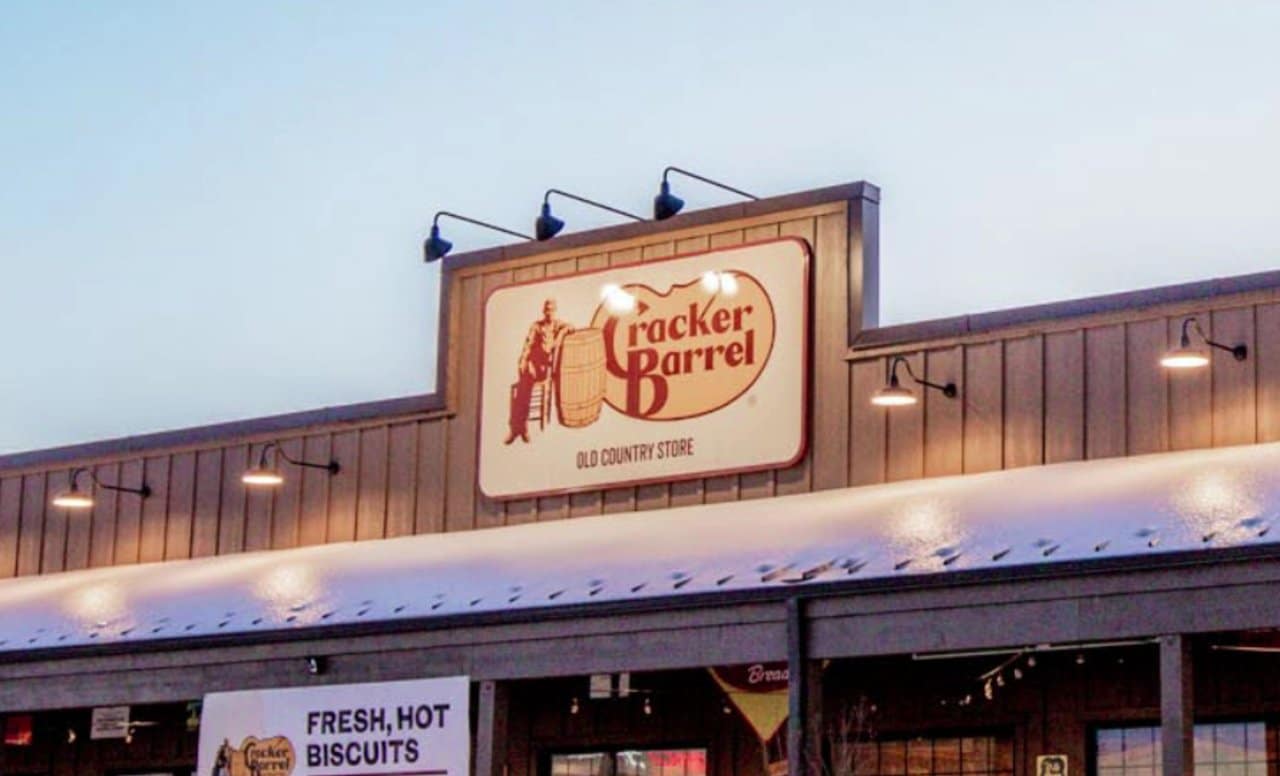
The memo, dated February 2, 2026, details that Cracker Barrel corporate employees are now “expected” to consume their meals at network locations whenever possible during business travel, taking into account location and scheduling. Esta change represents a notable change from previous practice, where corporate cards covered a wider range of food expenses.
Additionally, the purchase of alcoholic beverages on business trips has been banned, requiring special approval for any reimbursement. The restriction aims to curb expenses considered superfluous, directing the company’s resources in a more controlled and efficient way, in line with an internal austerity policy following recent financial challenges.
Context of the rebranding controversy
The decision to tighten its belt comes on the heels of an ambitious but unsuccessful attempt to overhaul the network’s image. The previous year, Cracker Barrel had announced plans to modernize its restaurant layouts and even remove its mascot, the Tio Herschel, from its logo. The initiative, which aimed to make the brand more visible on highways and attract a younger audience, was widely rejected by consumers and seen as a betrayal of the “Southern charm” the company had cultivated for decades, resulting in a $700 million failure.
The rebranding strategy generated a national uproar, with many expressing disappointment at the apparent attempt to erase the identity that made Cracker Barrel an icon of Southern food culture. Críticos and fans of the traditional brand considered the changes unnecessary and detrimental to the essence of the experience they sought in the chain’s restaurants.
The CEO Julie Masino controversy
At the center of the storm of criticism was Cracker Barrel’s CEO, Julie Masino, who was the target of severe accusations for her role in steering the company in a “progressive” direction. Masino’s vision of modernizing the brand and adapting it to new audiences did not resonate with the existing customer base, which valued the chain’s traditional aesthetics and values.
Pressure on leadership intensified as the redesign failed to win new customers while alienating old ones. The perception that the company was abandoning its roots and cultural identity generated a heated debate on social networks and in the media, calling into question management’s ability to understand and meet the expectations of its public.
Traditional identity in check
Cracker Barrel has always been known for its old-school country store aesthetic, offering a nostalgic experience that harkens back to a simpler time, with porch rocking chairs and vintage merchandise. The attempt at modernization was interpreted by many as a departure from this deeply rooted and beloved identity.
The chain’s fan base expressed concerns that the loss of “Uncle Herschel” and alteration of traditional interiors would result in the dilution of its unique value proposition. Para these customers, Cracker Barrel is not just a restaurant but a cultural destination that celebrates Southern hospitality and cuisine, and any change to that formula is met with skepticism.
Company Response and Way Forward
Faced with the negative repercussions and unsatisfactory financial results, Cracker Barrel was forced to abandon its ambitious plans to reformulate the brand. The company recognized the need to listen to its audience and reevaluate its strategy for the future.
The reversal of modernization plans suggests the company is now focused on consolidating its operations and cost-cutting measures, such as new rules for travel expenses. Este internal repositioning indicates an effort to stabilize the company and reaffirm the values that made it popular, without, however, disregarding the need to adapt in a competitive market.
Management repercussions and challenges
Cracker Barrel’s recent corporate decisions underscore the challenges faced by traditional brands when trying to innovate without alienating their loyal customer base. The controversy surrounding CEO Julie Masino and the failed rebrand highlight the complexity of balancing tradition with modernity in the restaurant industry.
The network now needs to navigate a period of recovery, seeking to restore consumer confidence and financial stability. The implementation of stricter internal policies in February 2026 is a clear indication that management is prioritizing efficiency and expense control as pillars for rebuilding the company’s image and performance. The ability to reconnect with its core identity and its customers will be crucial to Cracker Barrel’s future success.
