
Nissan has made its expansion plans official in the growing Índia automotive market with the confirmation of a new minivan. Batizado from Gravite, the vehicle was designed to accommodate up to seven passengers, directly targeting the needs of larger families and consolidating the brand’s presence in one of the most competitive segments in the region.
The development of the Gravite is part of a broader strategy at Aliança Renault-Nissan, which seeks to optimize shared resources and platforms to launch products adapted to local demands. The model will use the well-known CMF-A+ architecture, the same one that serves as the basis for successful vehicles such as the Renault Triber, guaranteeing a robust structure and controlled production costs.
With production scheduled to begin at the alliance’s factory in Chennai, the official launch of the Gravite is scheduled for the first quarter of 2026. The new MPV (Multi-Purpose
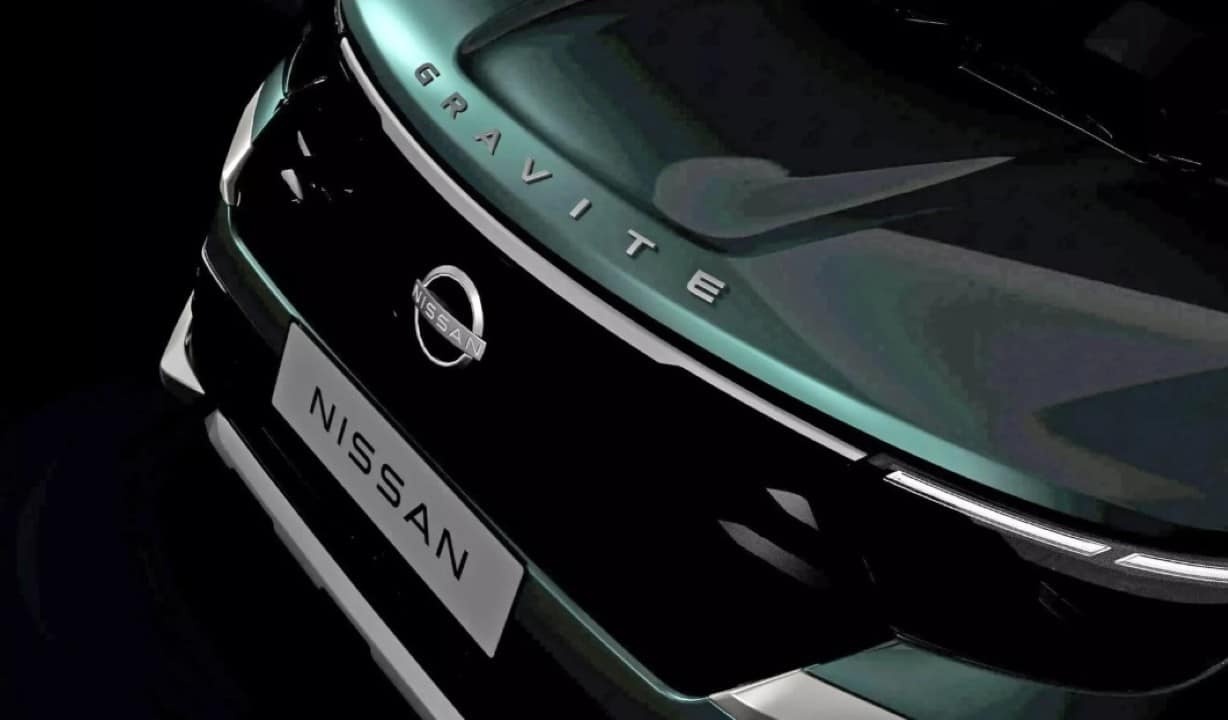
Robust, SUV-inspired design
The design of the Nissan Gravite seeks to combine the functionality of a minivan with the imposing aesthetics of an SUV, a trend that has gained momentum globally. At the front, the vehicle will sport the brand’s signature V-Motion grille, integrated into a modern optical package with LED daytime running lights. The bumper will have muscular lines and large air intakes, giving it a more aggressive and adventurous appearance.
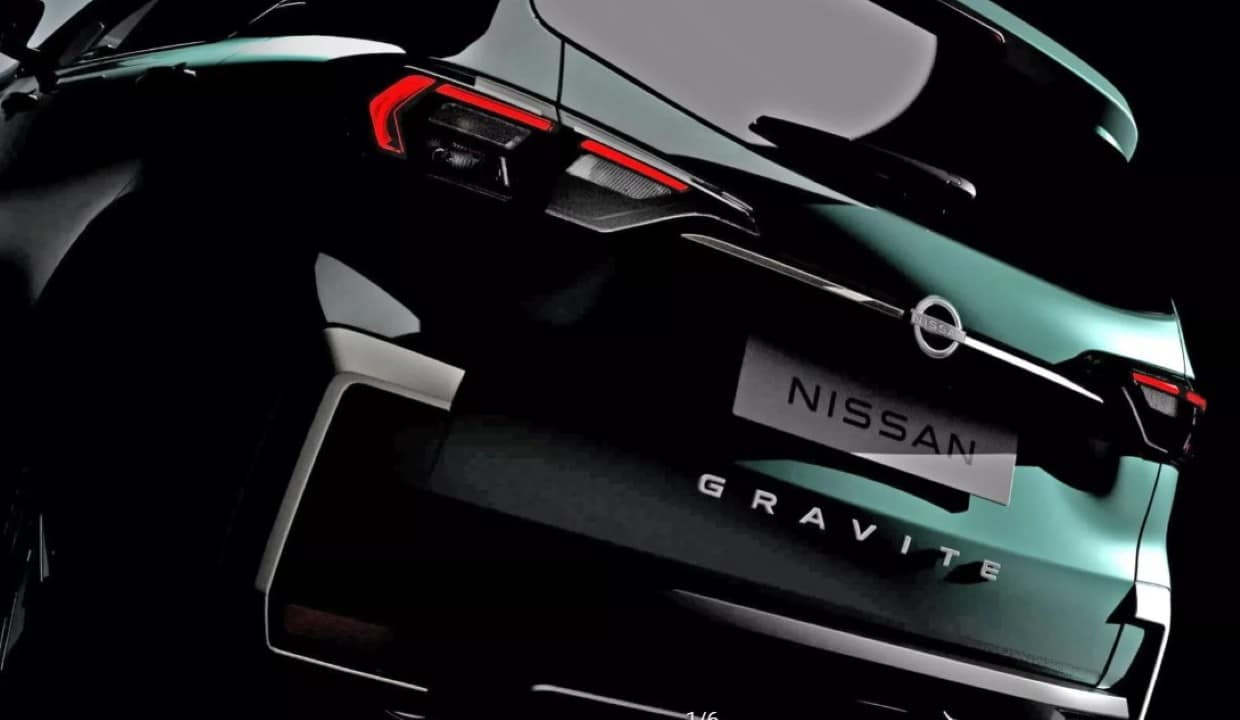
The sides are marked by prominent wheel arches and a high beltline, while the rear features “C”-shaped taillights that extend across the trunk lid, creating a unique and recognizable visual identity. The objective of the Nissan is clear: to offer a family vehicle that visually stands out from the competition, attracting consumers who value both internal space and a modern, bold style.
Interior focused on versatility and space
Designed with practicality in mind, the Gravite’s interior promises to be one of its greatest assets. The three-row seating configuration was designed to offer comfort for up to seven adults, making it an ideal option for family trips or group transport.
One of the highlights of the project is the modular seating system. The second row will be sliding and foldable, facilitating access to the third row, a point often criticized in vehicles of this size. Essa flexibility will allow owners to adjust the interior layout as needed, whether to maximize passenger space or expand trunk capacity.
Nissan will also invest in technology and connectivity for the cabin. Espera The instrument panel includes a multimedia center with a touch screen, compatible with the main smartphone systems, as well as air conditioning outlets for all rows, ensuring the comfort of all occupants.
Nissan strategy for the Indian market
The launch of the Gravite is a key part of Aliança Renault-Nissan’s investment plan for the Índia, which foresees the introduction of three new models by 2027. The company seeks to capitalize on the growing demand for multifunctional and family vehicles, a segment that continues to expand and attract new consumers looking for an alternative to traditional sedans and hatchbacks.
Shared platform and engine
Under the hood, the Nissan Gravite will be powered by a 1.0-liter, three-cylinder, naturally aspirated gasoline engine. Esta power unit is known for its fuel efficiency and performance suitable for urban traffic, features valued by Indian consumers.
The engine is capable of generating 72 horsepower and 96 Nm of torque, numbers that put it on par with its main direct competitors. The engineering focus was to ensure smooth and economical driving, without giving up the robustness necessary to face the varied conditions of the country’s roads.
For transmission, Nissan will offer two options. The first will be a five-speed manual gearbox, aimed at those who prefer more direct control of the vehicle. The second option, which should account for a significant portion of sales, will be a five-speed automated transmission (AMT), which provides greater comfort in traffic jams and improves the everyday driving experience.
The CMF-A+ platform, shared with the Renault Triber and the Nissan Magnite, is fundamental to the project. Sua modular architecture allows efficient use of internal space and offers a good level of safety and drivability, ensuring balanced and comfortable dynamic behavior for passengers.
Competitors and price positioning
The Nissan Gravite will enter one of the most competitive segments of the Indian market. The Seu’s main competitor will be its platform “brother”, the Renault Triber, in addition to established models such as the Maruti Suzuki Ertiga and the Kia Carens. Para stands out, the Nissan will focus on a differentiated design and a competitive equipment list.
Although official pricing has not yet been released, the component sharing strategy suggests that the Gravite will be positioned aggressively. The objective is to offer excellent value for money, attracting customers looking for a spacious, modern and affordable seven-seater vehicle.
Production forecast
Production of the Gravite at the Chennai plant is scheduled to begin in the first months of 2026. The official presentation to the public is expected to take place in the first quarter, with the first units reaching Indian dealerships in the third quarter of the same year.
The future of the brand in the region
The Gravite is more than a new product; it symbolizes Nissan’s renewed commitment to the Indian market. The success of the model will be crucial to the brand’s long-term plans, which include the development of other vehicles to further strengthen its portfolio and image in the region.
With this launch, Nissan aims to not only increase its sales volume, but also reinforce its image as a brand that offers high-quality, safe products adapted to the specific needs of local consumers, marking an important chapter in its growth strategy for the next decade.
