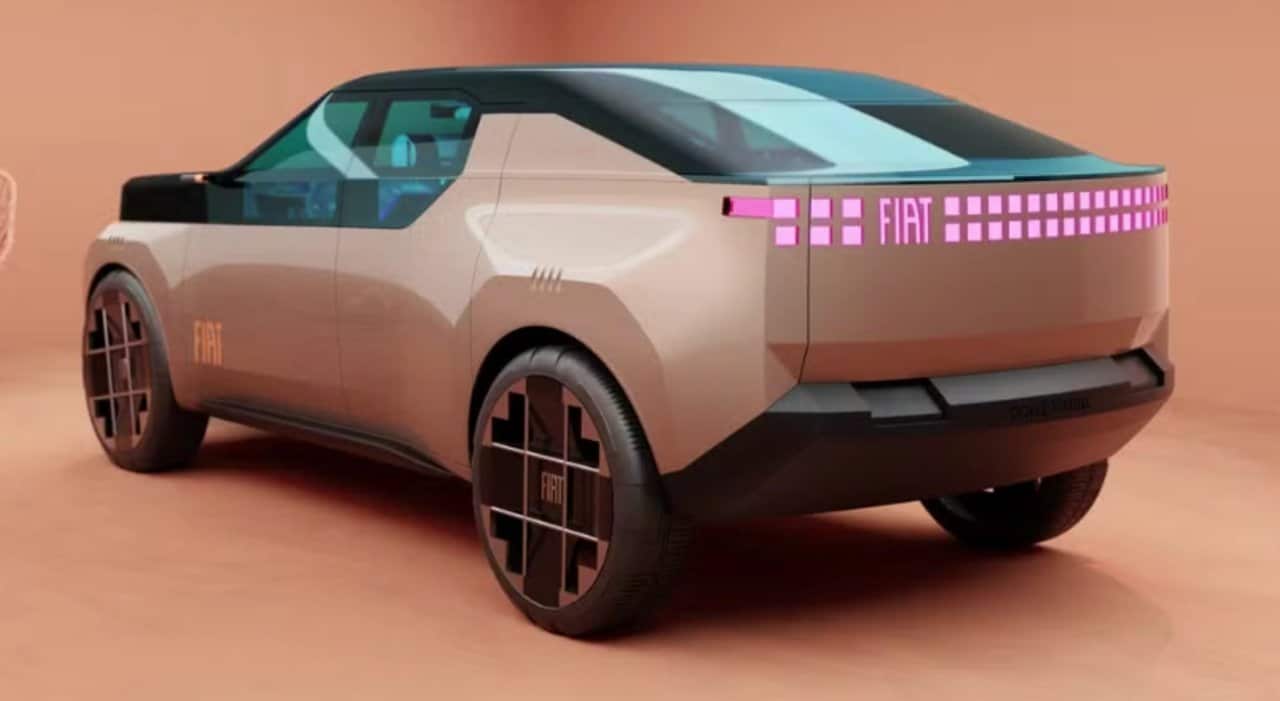
The development of the next generation of the Fiat Fastback advances at the Europa, where camouflaged prototypes have already been spotted undergoing testing. The SUV coupe will undergo a complete redesign, adopting a new platform that will result in a significant increase in its dimensions, bringing it closer to the recently launched Citroën Basalt. The structural change is part of a broader strategy by the Stellantis group to modernize its portfolio in the Brasil and other global markets.
Known internally by the code name F2X, the project uses the Smart Car architecture, a variation of the CMP base that already equips models such as the Citroën C3 and the future Grande Panda, which will give rise to the new Argo in the Brazilian market. The official presentation of the vehicle is scheduled to take place first in the European market during 2026, with national production in Betim (MG) starting in the last quarter of the same year.
The model’s arrival at Brazilian dealerships is expected between the end of 2026 and the beginning of 2027. The renovation aims to position the Fastback in a more competitive way, offering more space, technology and improved dynamic behavior to face increasingly fierce competition in the compact SUV segment.
Renewed design and striking visual identity
The main aesthetic changes are concentrated at the rear, which will receive horizontal lights with pixelated LED technology. The Essa solution, in addition to being modern, allows the creation of dynamic and sophisticated lighting signatures, differentiating the model at night and aligning it with the most recent launches of Fiat on the global stage.
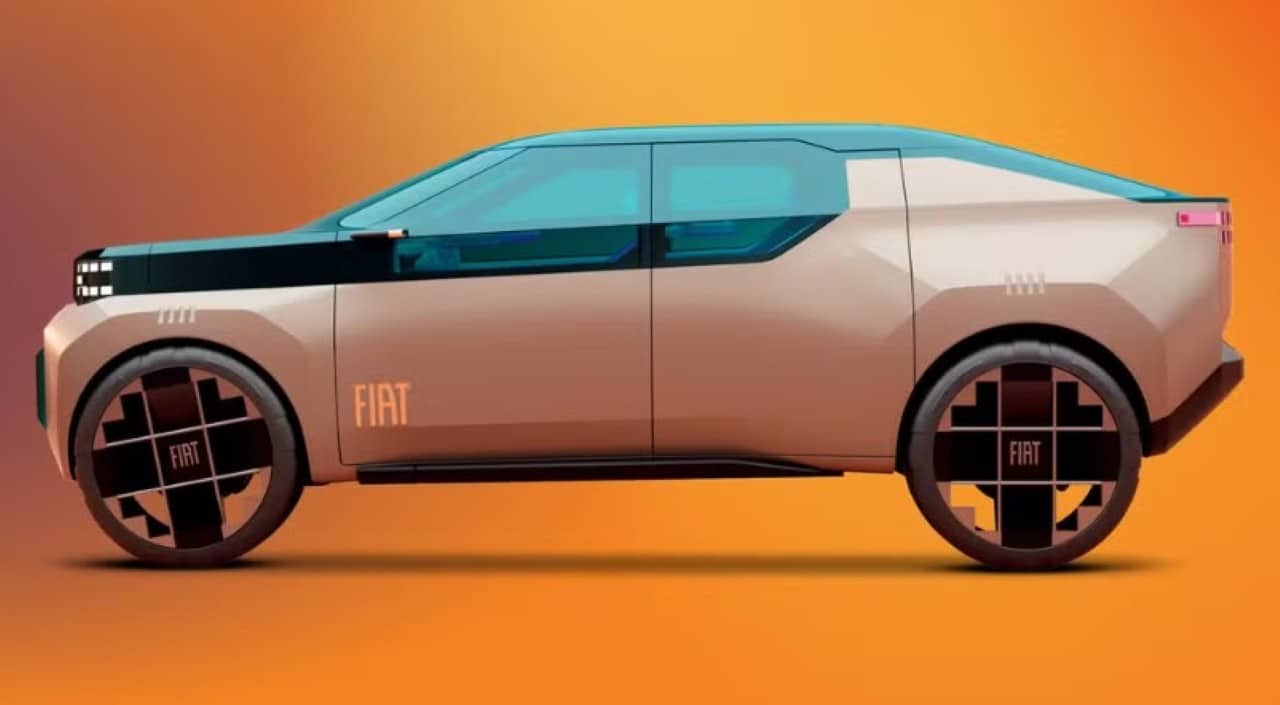
The coupe profile, a central feature of the Fastback, will be maintained, but with a smoother roofline and more fluid lines. The intention is to reinforce the sportiness of the design, giving the vehicle a more imposing and balanced appearance, faithful to the concept that anticipated its shapes.
At the front, the headlights take on a more rectangular shape, with segmented LED daytime running lights, creating a strong and recognizable visual identity. The bumper was redesigned with a wider lower air intake, which harmoniously integrates with the optical assembly, giving robustness to the look.
The sides also feature new features, highlighting the light alloy wheels with an exclusive design, directly inspired by the Grande Panda concept, and more defined creases that run along the body, contributing to the perception of a larger vehicle that sits more firmly on the road.
Leap into dimensions with the Smart Car platform
The migration to the Smart Car/CMP platform is the main driver behind the growth of the new Fastback. The wheelbase, which is currently 2.53 meters, will be increased to between 2.60 and 2.64 meters, a substantial gain that puts it on par with the Citroën Basalt, with which it shares the base.
This change directly benefits the comfort of rear seat passengers, who will have more leg and head space, resolving one of the criticisms of the current generation. The increase in external dimensions will also contribute to a more striking road presence.
Despite the general growth of the body, the expectation is that the trunk will maintain a competitive volumetric capacity within the segment, preserving the versatility that is one of the model’s strengths. The new architecture also promises improvements in acoustic insulation and torsional rigidity.
More technological and refined interior
The cabin of the coupe SUV will also undergo a thorough modernization. Flagras of the interior reveals a panel with straighter and more horizontal lines, following the design language adopted in the most recent vehicles in the Stellantis group. The air vents have been redesigned, becoming thinner and more elegant.
The multimedia center, although it maintains its 10.1-inch screen, will receive an updated and more intuitive graphical interface. Haverá a reduction in the number of physical buttons, with more functions integrated into the touch screen, giving the central console a cleaner and more technological appearance.
Turbo flex engine with light electrification
Under the hood, the new Fastback will maintain the turbo flex engine options already consolidated on the market. The entry-level versions will continue to be equipped with a 1.0 turbo engine with up to 130 hp. The main novelty will be the association of this engine with a 48V mild-hybrid system, which will help reduce fuel consumption and pollutant emissions, without significantly altering performance.
For top-of-the-line configurations, including the sporty Abarth, the 1.3 turbo engine with up to 185 hp will be maintained. The transmission options must continue to be the CVT automatic for the 1.0 engine and the conventional six-speed for the 1.3, both with revised calibration to adapt to the new weight and dynamics of the vehicle. Stellantis has not confirmed plans for plug-in hybrid or fully electric versions at first for the Brazilian market.
Global strategy and production in Betim
The launch of the new generation of the Fastback is part of a global expansion strategy for the The Velho Continente will debut in the first half of 2026, with sales beginning shortly thereafter. The Betim factory, in Minas Gerais, is preparing to start series production at the end of 2026, consolidating its position as a strategic hub for the production of compact vehicles from Stellantis to The Este industrial complex will not only supply the domestic market, but will also be responsible for exporting the model to other countries in the region, taking advantage of the production synergy with other vehicles that use the same CMP platform, such as the future Argo and the Citroën Basalt. The investment in modernizing the plant reflects the importance of Brasil for the company’s global results.
Synergy with Citroën Basalt
Sharing the Smart Car platform with Citroën Basalt results in a productive and cost synergy for Stellantis. Ambos the models will have very similar dimensions, especially the wheelbase, which will translate into a very similar internal space for the occupants.
The main differentiation between the two SUVs will be due to the external design and market positioning. Enquanto o Basalt bets on a more traditional SUV look, the Fastback will maintain its coupe style proposal, with a more sporty appeal, even if this represents a slight sacrifice in the total trunk volume compared to its “cousin” from the French brand.
Technical advantages of the new architecture
The Smart Car architecture, an evolution of CMP, has been optimized for emerging markets, using a greater proportion of high and ultra-high strength steels. Isso results in a lighter structure and, at the same time, with greater torsional rigidity, improving passive safety and the vehicle’s dynamic behavior in curves and at high speeds.
