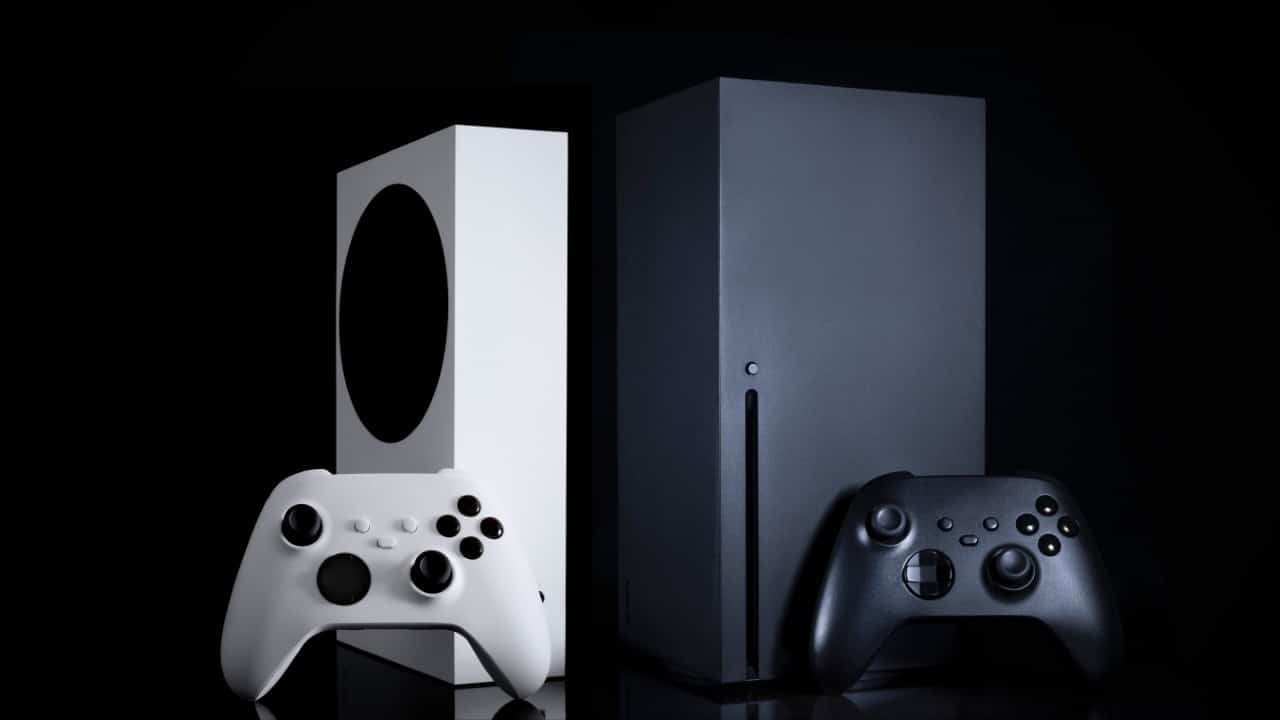
AMD CEO Lisa Su indicated that development of Microsoft’s upcoming Xbox console is progressing well to support a 2027 launch. The statement came during the company’s Q4 2025 earnings call. The console will feature a semi-custom chip developed in partnership between AMD and Microsoft.
The partnership between the two companies for the successor to the Xbox Series X|S had already been announced previously. Agora, the specific mention of 2027 represents the first public indication of a release window by the hardware vendor. Microsoft has not yet officially confirmed the date.
Speculations about the new device point to a hybrid platform capable of running console and PC games natively. Rumores also highlight advanced artificial intelligence capabilities integrated into the hardware.
Statements during the earnings call
Lisa Su mentioned the Xbox project when talking about AMD’s semi-custom business segment. Ela highlighted that the chip is in an advanced stage of development to meet the 2027 schedule.
The executive also commented on another product in the same segment. The Valve maintains its plan to launch its Steam Machine with an AMD processor in early 2026.
Historic partnership between AMD and Microsoft
AMD has provided processors for Xbox consoles since the Xbox One generation, released in 2013. Essa collaboration continued on the Xbox Series X|S, with architectures based on Zen 2 and RDNA 2.
The ratio allows for game-specific optimization. Semi-custom chips combine CPU, GPU and other components into a single integrated solution.
The continued partnership reinforces Microsoft’s strategy of maintaining PC-like architecture. Isso facilitates backward compatibility and cross-platform development.
Rumored specifications of the new hardware
Information is circulating about possible technical characteristics of the next Xbox. The chip can include up to 11 CPU cores, with three high-performance Zen 6 cores and eight more efficient Zen 6c cores.
The graphics part would point to a GPU based on RDNA 5 with 68 computing units. Outros details include four shader engines and at least 24 MB of L2 cache.
- Memory up to 48 GB GDDR7 on 192-bit bus;
- Dedicated neural processing unit (NPU) with performance of up to 110 TOPS;
- Focus on artificial intelligence features directly on the console;
- Improved ray tracing support and advanced upscaling.
This data remains unofficial and is based on leaks. Microsoft and AMD have not commented on detailed technical specifications.

Features of the hybrid platform
Rumors indicate that the console will function as a hybrid platform. The device would run native Xbox games and PC titles without the need for emulation.
This approach would align the Xbox ecosystem more closely with the Windows. Desenvolvedores could create unified versions for console and computer.
Backward compatibility with games from previous generations must be maintained. The hardware would include specific optimizations to ensure performance on older titles.
Console market context
The current console cycle has completed more than five years since the launch of the Xbox Series X|S in 2020. The 2027 window represents about seven years between generations.
AMD also supplies chips for the Sony PlayStation. Não there was mention of timelines for the next generation of the competitor during the conference.
The semi-custom segment represents an important part of AMD’s revenue. The company expects a temporary decline in 2026 followed by recovery with new launches.
Artificial intelligence capabilities
The inclusion of a dedicated NPU highlights the integration of AI into the console. Esse component would allow local processing of tasks such as upscaling and wizards.
Developers could explore machine learning capabilities directly on the hardware. Isso includes dynamic content generation and performance optimization.
The 110 TOPS capacity would position the console at a competitive level with current PC solutions. The functionality would expand possibilities beyond traditional graphics.
Other semi-custom projects
AMD mentioned the Steam Machine from Valve as another product in the pipeline. The device maintains a launch schedule for early 2026.
It’s a mini PC optimized for gaming with SteamOS. The hardware uses an AMD processor and targets 4K performance.
The company faces challenges with memory and storage costs. Esses factors can influence final prices of new devices.
Technical perspectives on architecture
The possible adoption of Zen 6 represents a leap forward in relation to the current Zen 2. The cores would offer greater energy efficiency and performance per watt.
The transition to RDNA 5 would bring advances in ray tracing and graphics efficiency. The architecture would succeed the RDNA 3 present in current boards.
The wider memory bus with GDDR7 would increase bandwidth. Isso would benefit from high resolutions and high frame rates.
The expanded L2 cache would reduce latency in memory accesses. The combination of elements aims to balance performance and consumption.
Integration with Xbox ecosystem
The new console would maintain integration with services such as Game Pass and xCloud. The hybrid platform would facilitate access to PC libraries.
Games purchased on one platform could run on the other without barriers. Essa unification would strengthen Microsoft’s content strategy.
Compatibility with current accessories must be preserved. Controles and Xbox Series peripherals would remain functional.
AMD continues to be a key partner for the future of Xbox consoles. Development is progressing as planned for possible arrival in 2027.
