
Automatic transmission maintenance is one of the most neglected precautions for drivers, but ignoring fluid replacement can result in severe mechanical failures and expenses that easily exceed tens of thousands of dollars. Esse component, vital for the proper functioning of the system, is not just used to lubricate the gears; it also acts on cooling internal components and transferring hydraulic force that allows gear changes. Quando the fluid loses its properties, the risk of serious damage increases exponentially.
Unlike engine oil, which has more obvious warnings on the vehicle’s dashboard, transmission fluid degrades silently. The first signs of a problem, such as jerks or slow changes, usually appear when wear is already at an advanced stage, making preventive maintenance a crucial factor in the car’s longevity.
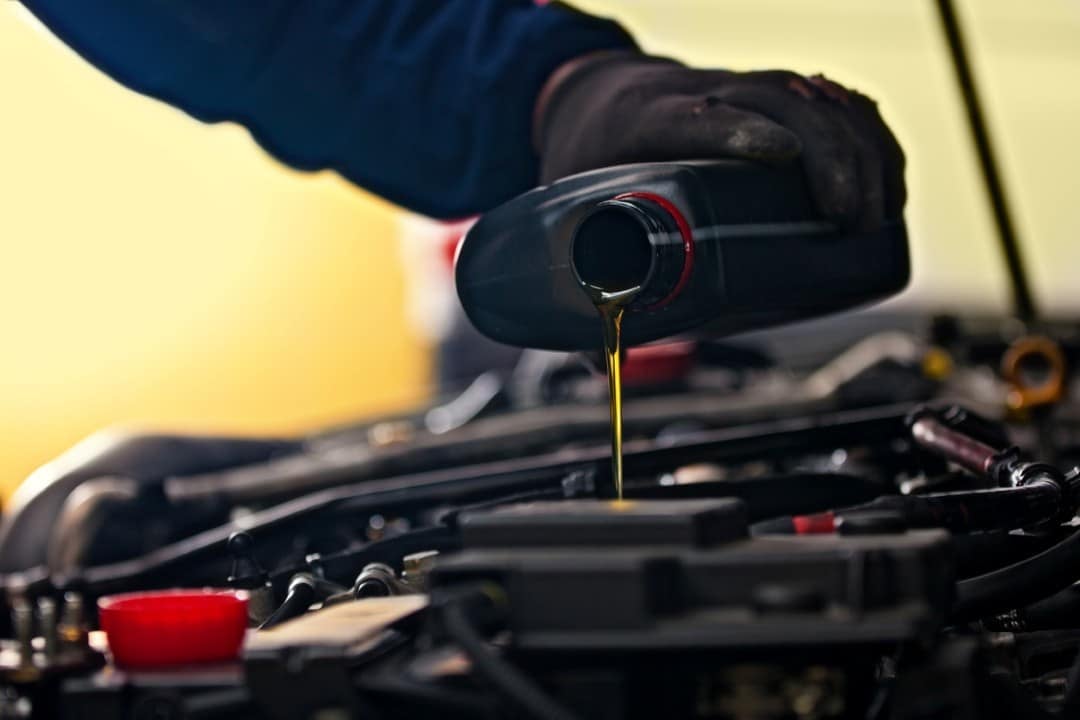
Automotive sector experts warn that the cost of repairing an automatic transmission damaged by lack of maintenance can vary between R$15,000 and R$40,000, depending on the vehicle model. Esse high value is justified by the complexity of the system and the need to replace multiple internal parts, a scenario that can be avoided with a significantly lower cost preventive procedure.
The Critical Functions of Transmission Fluid
Automatic transmission oil, also known as automatic transmission fluid (ATF), plays multiple essential roles. Sua main function is to reduce friction between moving parts, such as gears, shafts and valves, preventing premature wear and ensuring smooth and precise gear changes.
In addition to lubrication, the fluid acts as a cooling agent, dissipating the heat generated by the continuous friction of the components. Ele is also responsible for transmitting the hydraulic pressure that activates the clutches and allows gears to be engaged. Finally, the oil transports metallic particles and other impurities to the filter, keeping the system clean and functional.
Signs that replacement is necessary
Although the main recommendation is to follow the owner’s manual, the vehicle itself may issue warnings that the transmission fluid needs attention. Identificar these signs early is essential to avoid more serious and expensive damage.
One of the most common symptoms is jerks or jerks when changing gears. Isso occurs when the fluid has lost its ideal viscosity, affecting the hydraulic operation of the system. The delay in engaging gears, especially when moving the lever to “D” (Drive) or “R” (Reverse), is also an indication of a problem.
Other signs include skating, which is when the engine speed increases, but the vehicle does not gain speed at the same rate, and the appearance of abnormal noises coming from the transmission. In more serious cases, a burning smell may be noticed, indicating that the fluid is oxidized and overheating the system.
The ideal time for replacement
The frequency for changing the transmission oil varies considerably depending on the type of transmission, vehicle model and conditions of use. Manufacturers establish specific mileages that must be consulted in the manual, but there are some general guidelines that can be followed.
For conventional automatic transmissions, with a torque converter, the interval is generally between 60 thousand and 120 thousand kilometers. Já In CVT type gearboxes (continuously variable transmission), changing is recommended at shorter intervals, between 40,000 and 80,000 kilometers, due to the greater stress on the fluid.
In double clutch systems (DCT or DSG), especially those using wet clutches (immersed in oil), the change must occur around 60 thousand kilometers to ensure adequate cooling. It is important to note that severe use, such as driving predominantly in heavy urban traffic or towing loads, may require these deadlines to be brought forward.
Time is also a degradation factor. Mesmo the vehicle has low mileage, the fluid ages and loses its chemical properties. Therefore, experts recommend replacement every five or six years, regardless of the distance traveled.
Differences between exchange types
Each automatic transmission project requires a specific type of fluid, and using an inappropriate product can cause irreparable damage in a short time. Conventional automatic transmissions use ATF fluids with varying specifications, such as Dexron or Mercon, and it is essential to strictly follow the manufacturer’s recommendations. A complete change, carried out with a specific machine that replaces almost the entire volume of oil, is always more effective than partial drainage by gravity, which only removes around 40% of the old fluid.
CVT gearboxes, in turn, require their own fluid, developed to withstand the friction between the metal belt and the conical pulleys. Utilizar a common ATF in a CVT system can lead to complete destruction of the transmission. Da Likewise, dual-clutch gearboxes have their particularities: versions with a wet clutch need a fluid that lubricates and cools the discs, while versions with a dry clutch have a lubrication system focused only on the gears.
The myth of the lifetime oil and the financial impact
The statement that transmission oil is “lifetime”, present in some owner’s manuals, generates a lot of confusion and can lead to error. In practice, the term “lifetime” refers to the useful life projected for the vehicle by the manufacturer, which is generally estimated between 100,000 and 150,000 kilometers, or a period of eight to ten years. Para drivers who plan to keep their car for longer or want to ensure good resale value, preventively changing the fluid is a smart and economical decision. Ignorar this maintenance under the justification of lifetime oil means assuming a high risk of premature failure of the internal components of the transmission. The financial impact of negligence is disproportionate: while a preventive oil change costs, on average, between R$800 and R$1,500, repairing a damaged gearbox can easily exceed R$30,000. The short-term savings of postponing the exchange do not compensate for the risk of incurring an expense that could compromise a significant part of the value of the vehicle itself.
Correct exchange procedures
Replacing the transmission fluid requires technical knowledge and appropriate equipment. It is essential to look for workshops specializing in automatic transmissions, as qualified professionals will know how to identify the correct fluid and carry out the procedure safely, ensuring the longevity and good functioning of the system.
