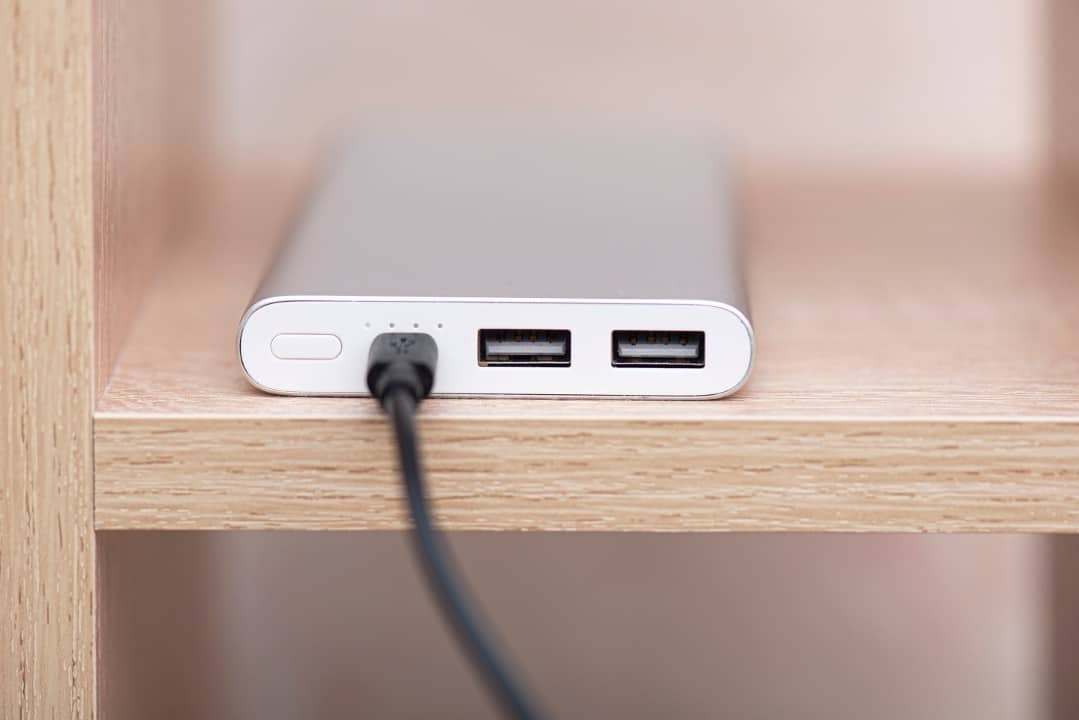
Safety in air transport has once again become a topic of debate after an incident involving a portable charger, known as a power bank, which exploded on board an Latam flight. The aircraft, which was traveling between São Paulo (SP) and Brasília (DF), had to make an emergency landing in Ribeirão Preto (SP) to ensure everyone’s safety. The event, although it did not result in serious injuries, raised awareness about the dangers associated with improper transportation of electronic devices with lithium-ion batteries.
This type of occurrence is not an isolated fact and reinforces the importance of regulations established by competent bodies to mitigate risks. The Agência Nacional of Aviação Civil (Anac) has clear guidelines that aim to organize the transport of this equipment, balancing convenience for passengers with the safety protocols essential for commercial aviation.
Understanding these standards is essential so that travelers can use their devices safely and avoid risky situations. Correct accommodation and respect for battery capacity limits are preventive measures that directly contribute to the integrity of the air operation and everyone on board.
Standards for transporting batteries on aircraft
The Anac regulations are specific and strict regarding the transport of portable chargers and spare batteries. The main guideline categorically prohibits these items from being checked into the aircraft hold. The measure is justified by the difficulty of accessing and fighting a possible fire in a cargo compartment during the flight.
Therefore, power banks and lithium batteries must be transported exclusively in hand luggage, under the supervision of the passenger. Existem, however, power limits that need to be observed. Baterias with a capacity of up to 100 Wh (watt-hours) are permitted without the need for prior authorization from the airline.
Limits and special conditions
For devices with higher capacity, the rules become more restrictive. Baterias that have between 100 Wh and 160 Wh can be carried, but the passenger is limited to a maximum of two spare units per person. Além In addition, the boarding of these items depends on prior approval from the airline, which must be consulted before travel.
Anac also requires batteries to be individually protected to prevent short circuits. Isso can be done by keeping the device in its original packaging, isolating the terminals with adhesive tape or placing each battery in a separate plastic bag or protective case.
It is important to note that capacity in Wh is the standard measurement used by the agency, although many manufacturers report capacity in milliampere-hours (mAh). Como reference, 100 Wh are equivalent to approximately 27,000 mAh, a considerably high value that covers most commercial power banks.
What Causes Lithium Ion Batteries to Fail?
Contrary to popular perception, the environment of a pressurized airplane cabin does not increase the likelihood of a lithium-ion battery exploding. Especialistas in electrical engineering and electronic product safety point out that failures are generally caused by external factors that compromise the integrity of the component.
The main causes of incidents are physical damage, such as falls and strong impacts, which can affect the internal structure of the battery and generate a short circuit. Outro risk factor is exposure to high temperatures, which can accelerate internal chemical reactions and lead to a phenomenon known as “thermal runaway”, where the increase in temperature becomes uncontrollable.
Product quality also plays a crucial role. Baterias manufactured with low quality materials or without appropriate protection mechanisms are significantly more susceptible to failure. Therefore, choosing certified products and recognized brands is one of the main safety recommendations.
Battery capacity, measured in Wh, does not increase the chance of a fire occurring, but is directly related to the intensity of the event. Ou is, the greater the energy stored in the device, the more severe the fire will be and the more difficult it will be to control, requiring quick and effective action from the crew.
The importance of Anatel certification
The approval of electronic devices by Agência Nacional of Telecomunicações (Anatel) is a fundamental seal of quality and safety for the consumer. A powerbank with the Anatel seal has undergone a series of rigorous tests that evaluate everything from its resistance to temperature variations to the efficiency of its protection circuits against overload and short circuit. Essa certification guarantees that the product was designed and manufactured in accordance with Brazilian safety standards.
Purchasing products without this approval, which are often attractive due to their low price, represents a high risk. Esses devices may lack necessary safety components or be constructed of inferior materials, making them more prone to overheating and catastrophic failures. Especialistas recommend being wary of very advantageous offers and always checking the origin and certification of the equipment before purchasing, protecting not only the investment, but mainly personal safety.
History of aerial incidents with chargers
The concern about lithium batteries in flights is reinforced by a history of incidents around the world. In August 2025, a flight departing from São Paulo to Amsterdã recorded a fire after a portable charger caught fire, generating smoke in the cabin and requiring an immediate response from the crew to control the situation. In October of the same year, a similar event occurred on an Air China flight, where a lithium battery exploded, but was quickly contained by flight attendants, who are trained to deal with this type of emergency. Outro notorious case happened in March 2025, in Hong Kong, when a cell phone charger caught fire inside the passenger cabin. The quick action of other travelers, who used water to put out the flames, was crucial to prevent the incident from having more serious consequences. Esses episodes demonstrate the importance of complying with safety standards and preparing flight teams to act in risk scenarios, protecting the lives of hundreds of passengers.
Essential guidelines for passengers
To ensure a smooth and safe journey, it is essential that passengers adopt a proactive stance. Antes before heading to the airport, check the airline’s specific rules about transporting electronic devices and batteries. Além In addition, always choose products certified by Anatel and from trusted manufacturers, avoiding the risk associated with items of dubious origin.
