
The long-awaited outcome of the Final Fantasy trilogy 7
The production team confirmed significant progress, indicating that the game’s main structure is now consolidated. Essa speed is due, in part, to the decision to maintain the same technological base and reuse assets developed for the second part, Final Fantasy 7 Rebirth, optimizing the workflow.
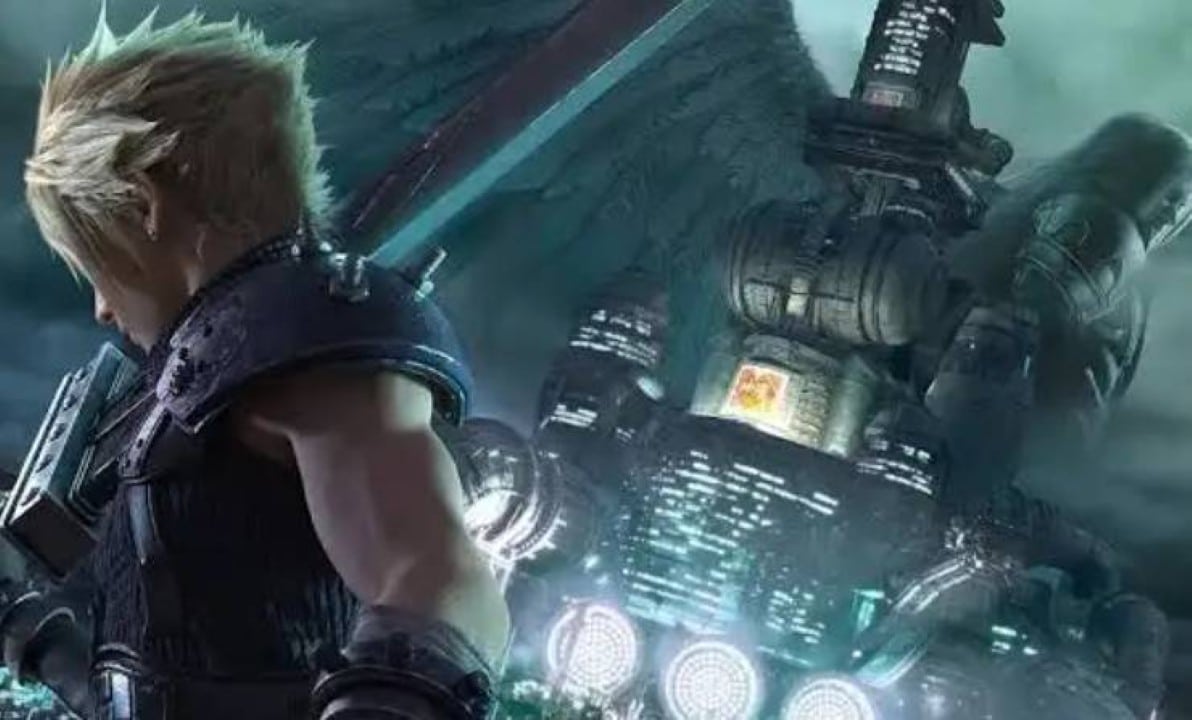
At the same time, Square Enix prepares the ground to expand the audience’s reach before the premiere of the final chapter. The company plans to make the first two parts of the trilogy available on more platforms throughout 2026, including Xbox consoles, ensuring that new players can experience the complete story before the release of Parte 3.
Accelerated progress in development
The director of the trilogy, Naoki Hamaguchi, revealed that the gameplay of Parte 3 is practically finished, with the team now focused on the refinement and polishing stages. The decision to stay on the Unreal Engine 4 graphics engine was a crucial factor in speeding up production. Segundo Hamaguchi, the team’s familiarity with the tool allowed for rapid progress, avoiding the delays that a migration to Unreal Engine 5 could cause. Essa technical continuity guarantees not only agility, but also visual and performance consistency throughout the trilogy. Grande part of the character models, scenarios and combat systems created for Rebirth are being adapted and improved, which considerably reduces the production cycle compared to previous games. Elementos that were well received by players, such as Queen’s Blood card minigame, will also receive expansions, with the promise of deeper mechanics and even greater integration with the game’s main narrative.
Multiplatform strategy consolidates
Expanding the saga’s availability to other platforms is a central pillar in Square Enix’s strategy. Informações industry sources such as insider NateTheHate reinforce that the timeline for the release of Final Fantasy 7 Rebirth at Xbox in 2026 remains unchanged. Este move follows the recent arrival of the first game, Final Fantasy 7 Remake, to the Microsoft platform, unifying the experience for players.
This cross-platform approach, which may also include Nintendo’s upcoming console, aims to maximize the player base before the final chapter arrives. Especialistas interpret the initiative as preparation for a possible simultaneous launch of Parte 3 on several platforms, breaking the cycle of temporary exclusivity seen in previous titles and aligning with current trends in the games market, which favor global and more inclusive launches.
A commemorative date for the debut
The launch projection for 2027 does not seem to be a coincidence. The year marks the 30th anniversary of the launch of the original Final Fantasy 7, which hit the market on January 31, 1997. Square Enix has a history of celebrating important dates in its franchises with major releases and events.
The celebration would be double, as the main series of
This time window also aligns with the production rhythm established between the games in the trilogy. There is a gap of approximately four years between the release of Remake (2020) and Rebirth (2024), which makes 2027 a realistic target for completing the project without the need to rush development.
What to expect from gameplay and narrative
Parte 3 promises to conclude the narrative arcs that have been opened since the beginning of the trilogy in 2020.
In terms of gameplay, a natural evolution of the systems introduced in Rebirth is expected. The combat synergy mechanics, which allow combined actions between characters, should be expanded, possibly with the inclusion of new playable members in the group.
Exploration of vast, iconic settings will continue to be a core element. Memorable Locais from the original game, like Cidade from Anciãos and Northern Crater, must be recreated with the scale and richness of detail that have become trademarks of the remake trilogy.
Customization systems, such as the use of Materia and equipment progression, should also gain more depth, offering players greater freedom to develop complex strategies for the final challenges that await them at the conclusion of the journey.
Maintained technical and visual consistency
The decision to keep Unreal Engine 4 for the third game ensures a cohesive visual identity for the entire trilogy. Essa choice avoids a stylistic break that a change in graphics engine could cause, preserving the artistic harmony built since the first chapter of the saga.
Aside from aesthetics, the development team’s focus is on optimizing performance across a variety of platforms. With development designed from the beginning to be multiplatform, the game is being designed to run stably on PlayStation, Xbox and PC, ensuring a high quality experience for all players.
The final title has already been decided
Square Enix keeps the official title of Parte 3 a secret, but the creative director, Tetsuya Nomura, has already confirmed that the choice has been made. The reveal of the name, which will complete the trio started with “Remake” and “Rebirth”, is eagerly awaited and should take place at a future gaming event, serving as the kickoff for the game’s marketing campaign.
Community expectations
The fan community follows each new piece of information with optimism. News of the accelerated progress and cross-platform strategy was well received, with many players on other platforms celebrating the chance to play the full saga before the end. Discussões on forums and social networks speculate about the narrative twists that the final chapter could bring, especially considering the significant changes in relation to the original plot.
Anticipation is fueled by the loose ends left in Rebirth, which leave room for different theories about how the story will conclude. Square Enix, for its part, seems confident in the schedule and the work being done, promising a memorable conclusion that honors both new players and longtime fans of the 1997 classic.
