Stellantis gave the green light for the development of the second generation of Fiat Fastback, which will be transformed into a product with global reach. The project, known internally by the code F2X, foresees the use of a new modular platform and a completely redesigned design, with the aim of correcting critical points of the current model and increasing its competitiveness in demanding markets such as Europe.
Production will be centralized at the Betim plant, in Minas Gerais, which is receiving billion-dollar investments to modernize and adapt to the group’s new vehicle architectures. The world premiere is scheduled to take place first at Europa, in mid-2026, with arrival on the Brazilian market scheduled for the end of the same year or beginning of 2027.
The new SUV coupe will share its structural basis with the recently launched Citroën Basalt, but the Fiat guarantees that the models will have distinct visual identities and market propositions. The strategy aims to optimize production costs without sacrificing the exclusivity of each brand within the automotive conglomerate.
A new visual identity for the coupe SUV
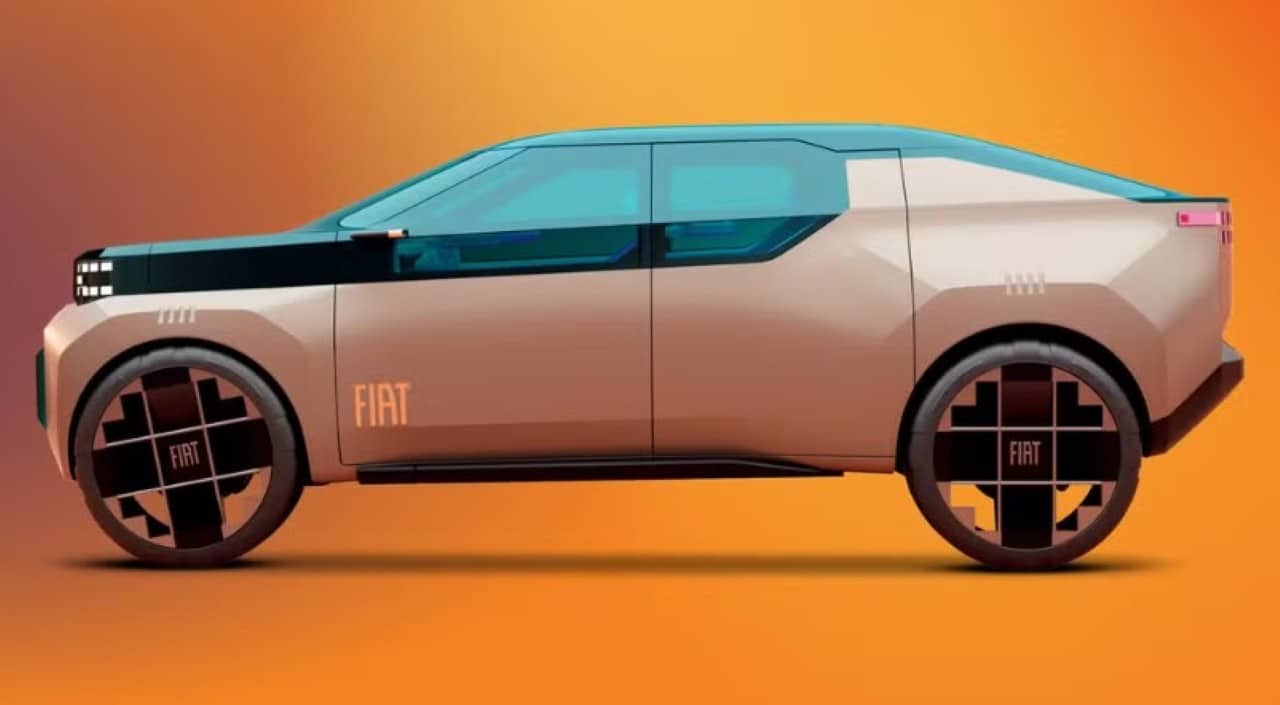
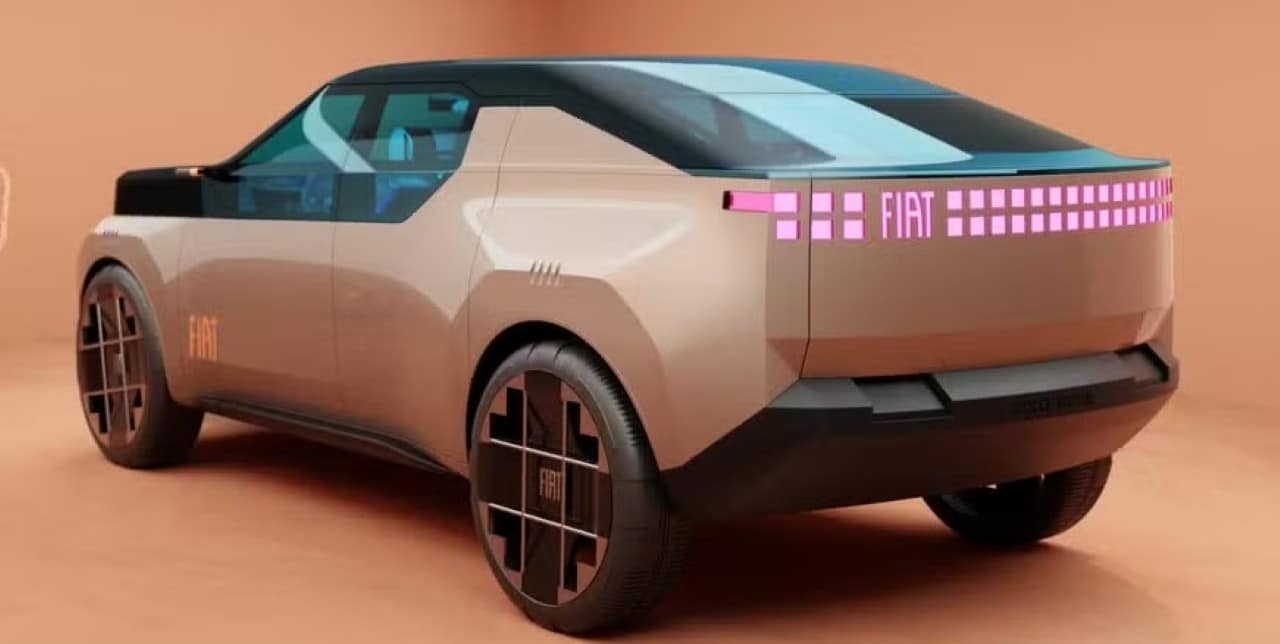
The design represents one of the most significant evolutions for the future Fastback, abandoning the lines derived from the Pulse to adopt its own, more sophisticated personality. The rear will be the most prominent point, incorporating headlights made up of multiple rectangular LEDs that create a “pixelated” visual effect, a modern and technological lighting signature. The roofline, subject to some criticism in the current generation due to its abrupt finish, will be softened to provide a more harmonious and fluid silhouette, reinforcing the coupe SUV proposal. At the front, the model will feature a higher hood and rectangular headlights with sectioned DRLs that integrate into the front grille, where an illuminated Fiat logo will serve as a focal point. The bumper will have a robust design, with a wide lower air intake, giving the vehicle a more imposing appearance and in line with the brand’s most recent launches in other markets, in addition to optimizing the overall aerodynamics.
Platform Smart Car as structural basis
The main technical change will be the migration of the current MLA platform to the modern Smart Car architecture, a variation of the CMP base already used in several vehicles in the Stellantis group, such as the Citroën C3 Aircross and the Opel Frontera. Essa structural change will bring direct benefits to the vehicle.
One of the most important gains will be in internal space, especially for rear seat occupants. The wheelbase will be increased from the current 2.53 meters to approximately 2.60 meters, resulting in more comfort for the legs and shoulders.
In addition to space, the new platform provides greater torsional rigidity, which translates into improvements in driving dynamics, with more stability and safety. The architecture is also designed to support different levels of electrification, paving the way for future hybrid versions.
Hybrid powertrain and performance in the Brasil
For the Brazilian market, Fiat will focus on already known mechanical sets, but with important updates. Entry-level versions must be equipped with the T200
The top-of-the-line configurations, including the sporty Abarth, will maintain the 1.3 turbo flex engine, capable of generating up to 185 horsepower and 27.5 kgfm of torque. The transmission will always be automatic, with specific calibrations for each version, seeking a balance between performance and economy. The Fiat works on refinements to ensure more agile responses and smoother gear changes across the range.
Renovated interior with more technology
The cabin of the new Fastback will be completely redesigned to offer a more premium and technological experience, clearly distancing itself from the Citroën Basalt. The dashboard will have an exclusive layout, dominated by larger digital screens for both the instrument cluster and the multimedia center.
Fiat plans to use superior quality finishing materials, with soft-touch surfaces and details in brushed metal or piano black. The center console will be elevated, creating a cockpit feel and improving ergonomics for the driver.
The number of physical buttons will be reduced, with most controls being integrated into the central screen or touch-sensitive surfaces. The multifunctional steering wheel will also be new, with a more modern design and buttons with haptic feedback.
Connectivity will be a strong point, with wireless Android Auto and Apple CarPlay systems, as well as an induction cell phone charger and multiple USB-C ports. Passenger comfort will be improved with new shape seats and more sophisticated coverings.
Concentrated production at the Betim factory
The choice of the Betim (MG) factory to be the sole global producer of the new Fastback reinforces the strategic importance of the Brasil for the Stellantis. The unit is in the middle of an investment cycle of R$14 billion, aimed at modernizing its assembly lines and preparing them for the production of vehicles on the Smart Car platform.
This centralization will allow economies of scale and the maintenance of a global quality standard, as the model manufactured in Brasil will be exported to América Latina and also to the European market. The plant will have expanded automation and robotics processes to ensure greater precision in assembly.
Global launch strategy
The launch schedule was designed to maximize the model’s impact in key markets. The official presentation will take place at Europa in June 2026, with sales starting on the European continent shortly thereafter. Essa strategy positions Fastback as a product of international ambition since its birth.
At Brasil, series production is scheduled to begin in the last quarter of 2026. The commercial launch for the Brazilian public is expected to occur between the end of 2026 and the first quarter of 2027, depending on final adjustments to the production line and the brand’s distribution strategy.
Differences in relation to Citroën Basalt
Despite sharing the same architecture, the Fiat Fastback and Citroën Basalt will have well-defined proposals to avoid cannibalization. Enquanto the Citroën model focuses on a more robust and functional design, the Fastback will have a greater focus on sportiness and style, with its coupe silhouette and exclusive visual elements, such as the pixelated headlights and the interior with a more refined finish, justifying a slightly higher price positioning.
