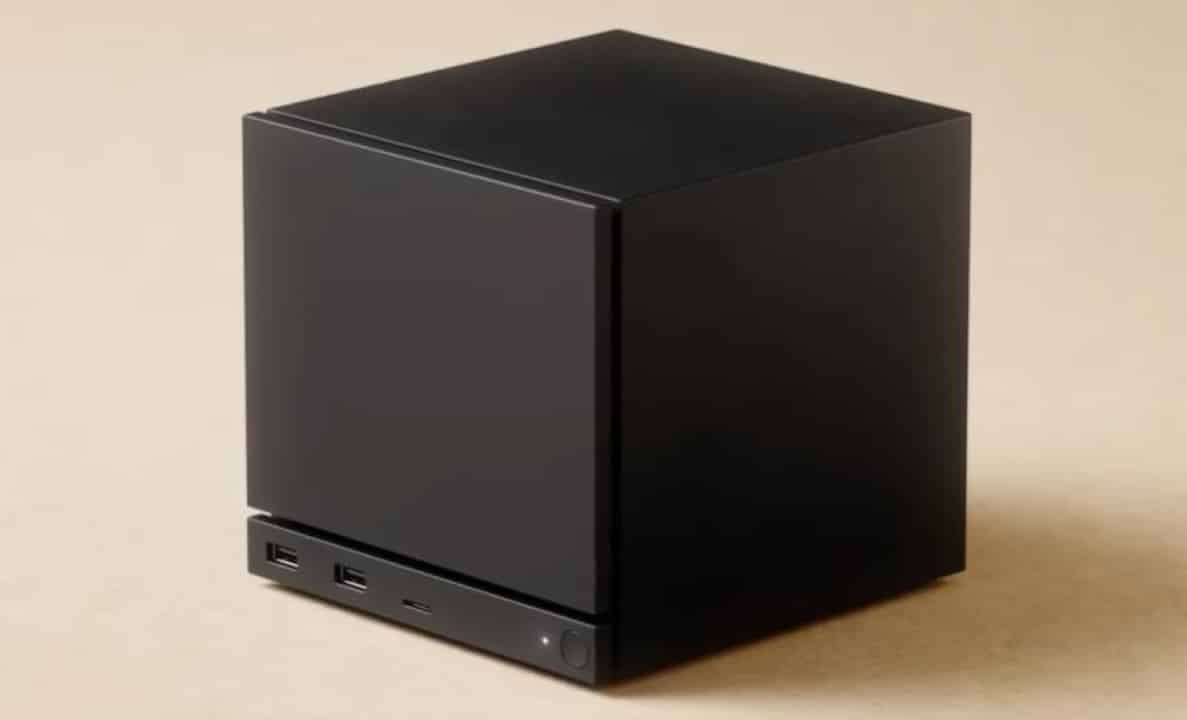
The electronic entertainment industry faces a new logistical hurdle in early February, with confirmation that the global hardware supply chain is under severe pressure. Valve officially announced that it will need to make strategic adjustments in the launch of its new product line, directly affected by the shortage of essential components. The high demand for infrastructure for artificial intelligence has drained the memory stock on the market, forcing the company to review both the schedule and the pricing of devices scheduled to hit shelves this semester.
Products impacted by the decision include the highly anticipated Steam Machine mini PC, the Steam Frame virtual reality headset and the new version of the Steam Controller. Embora the goal of making the equipment available in the first half of the year remains, the price dynamics and the exact date of arrival at retail now depend on the stabilization of chip supply. The situation reflects a complex scenario where console manufacturers compete for the same production capacity as technology giants focused on data servers.
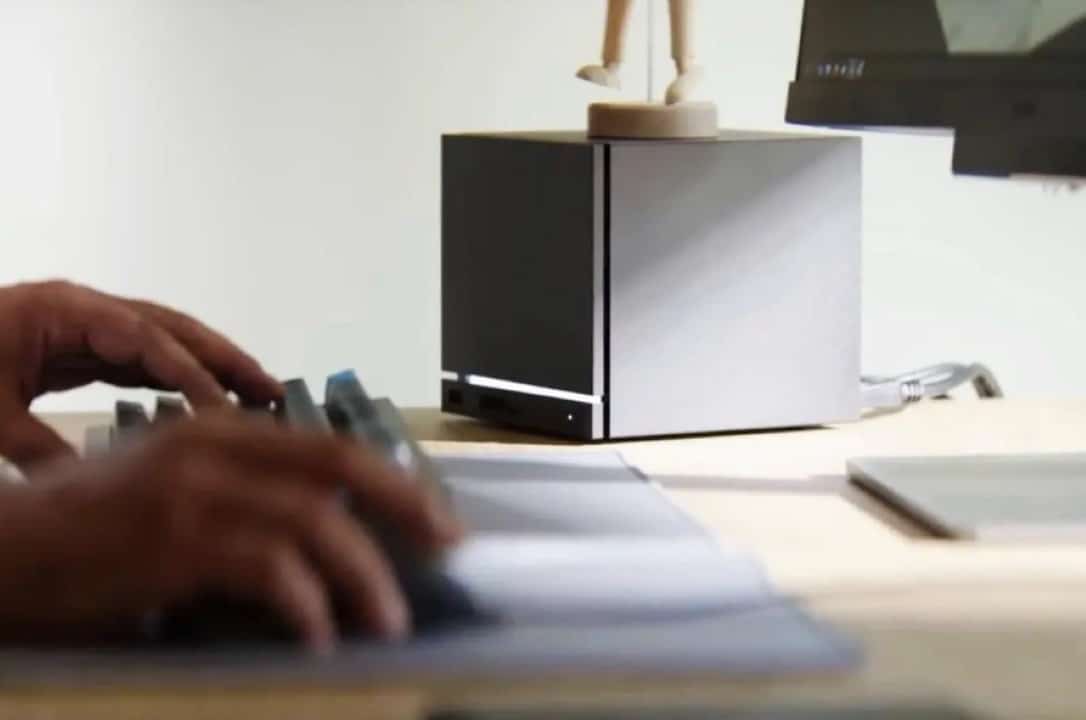
Since the initial announcement of the projects in November last year, the manufacturing cost has undergone drastic changes. The shortage is not just limited to processors, critically affecting RAM memory modules and high-speed storage drives. Esse encarecimento dos insumos básicos obrigou a equipe de engenharia e planejamento a recalcular as margens para evitar que os produtos cheguem ao consumidor final com valores proibitivos.
Pressure from the artificial intelligence sector
The main vector of this supply instability is the exponential growth of data centers dedicated to training artificial intelligence models. Grandes technology corporations have prioritized the acquisition of massive volumes of DRAM memory and HBM chips, creating a production bottleneck that directly affects the consumer electronics market. Como result, the availability of components for personal computers and video game consoles has been drastically reduced in recent weeks.
Market analysts note that this competition for resources has led to an escalation in prices. Módulos of DDR5 RAM memory, essential for the performance of the new generation of games, registered increases of more than 40% compared to the previous year’s closing. Da Likewise, high-capacity SSDs, essential for storing modern games that often exceed 100 GB, have also undergone significant adjustments in global retail.
Valve, by depending on these same suppliers to equip the Steam Machine and Steam Frame, finds itself in a delicate position. The company needs to balance the need for cutting-edge components with maintaining a competitive price, a feature that has always been one of the pillars of its hardware strategy. Reliance on shared supply chains with the corporate sector exposes the gaming industry’s vulnerability to external demand fluctuations.
Detailed technical specifications
Despite the logistical challenges, the new Steam Machine’s specifications reveal a robust device designed to compete directly with desktop consoles and mid-range PCs. The heart of the system is a custom processor developed in partnership with AMD, using the Zen 4 architecture. The chip has six cores and 12 threads, reaching frequencies of up to 4.8 GHz, all while maintaining a controlled energy consumption of 30 W, ideal for compact formats.
In the graphics department, the device uses the RDNA 3 architecture, also from AMD, with a semi-customized GPU that integrates 28 computing units. The graphics system operates at a sustained clock speed of up to 2.45 GHz and has 8 GB of dedicated GDDR6 memory, ensuring sufficient bandwidth for high-resolution textures. The engineering goal is to deliver a fluid experience in 4K resolution at 60 frames per second, using upscaling technologies such as FSR.
To illustrate the firepower of the new console, the confirmed standard technical configuration includes:
– Customized Processador AMD Zen 4 with 6 cores and 12 threads.
– Unidade RDNA 3 graphics with 28 CUs and 8 GB of GDDR6 VRAM.
– Memória of system with 16 GB DDR5 RAM.
– Internal Armazenamento via NVMe SSD up to 2 TB.
– Suporte native to 4K resolutions with the help of artificial intelligence.
These features position the device as a powerful entertainment center for the living room, capable of playing the latest titles from the Steam library with high visual quality.
Strategies to overcome the crisis
Given the high price scenario, behind-the-scenes information indicates that Valve is studying alternatives to make the hardware more accessible. One of the possibilities discussed is the sale of “barebone” versions of the Steam Machine, that is, units sold without pre-installed RAM or storage. Essa approach would take advantage of the modular nature of the device, allowing the user to use components they already have or purchase parts separately according to market promotions.
The design of the device was designed to facilitate upgrades, in line with the philosophy of the PC platform. Caso If this strategy is confirmed, the initial acquisition cost could be reduced considerably, transferring the memory configuration decision to the consumer. Proprietários of DDR5 sticks or spare NVMe SSDs could assemble the complete system for a fraction of the price of a closed package.
Although the company has not made this sales modality official, the flexibility of the hardware suggests that it is a viable way to mitigate the impact of component inflation. The Steam Controller, in turn, being less dependent on advanced memory chips, may have its launch earlier than other devices, serving as a first stage in renewing the ecosystem.
Context and future expectations
The Valve move is part of an ongoing expansion to take the Steam experience beyond the traditional desktop. The Steam Machine represents a new attempt to consolidate mini PCs optimized for the SteamOS operating system in the living room, offering a user-friendly interface for controllers and television. Deep integration with the digital library and local streaming capabilities are differentiators that the company hopes to use to attract both PC and console players.
The Steam Frame seeks to capture the virtual reality market with an autonomous device, which processes data locally without the need for cables connected to an external computer. The new controller arrives to unify the experience, bringing ergonomic improvements based on feedback from users of previous versions and Steam Deck. The combination of these three pillars aims to create a closed and efficient ecosystem.
Industry experts are closely monitoring the evolution of semiconductor production in the coming months. The expectation is that a gradual improvement in DRAM supply could stabilize prices before the middle of the year, allowing Valve to define concrete dates. The company reiterated its commitment to delivering products within the semester, maintaining optimism regarding the resolution of logistical bottlenecks and public reception of the proposed innovations.
