
Civil aviation security faces a growing challenge related to the transportation of portable electronic devices, specifically external chargers known as power banks. The number of incidents involving smoke, overheating and fire on board commercial aircraft has intensified, requiring rapid responses from regulatory agencies and airlines. The focus of concerns is on the chemical instability of lithium batteries, which can spontaneously combust under certain pressure and temperature conditions, putting passengers and crew at risk during air operations.
Recent cases and impact on global operations
The current scenario is marked by a series of serious events that illustrate the magnitude of the problem faced by the airline sector. A critical example occurred with Air Busan, where a fire originating in a portable charger resulted in the total destruction of an aircraft that was still on the ground. The emergency evacuation involved around 170 people, including passengers and crew, avoiding a greater tragedy, although minor injuries were reported during the process of exiting the aircraft.
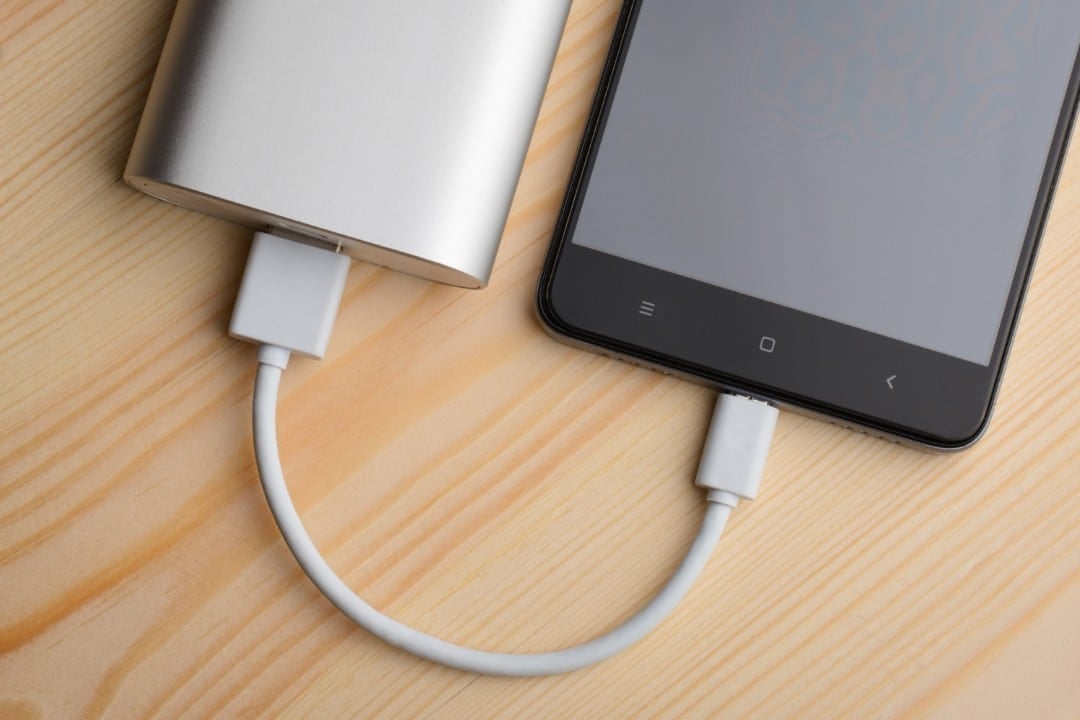
In October 2025, an Air China flight covering the route between Hangzhou and Seul had to divert to Xangai after a device exploded in the cabin. The interruption of the route demonstrated how a single faulty piece of equipment can alter the entire flight logistics and generate panic on board. Outro significant episode involved Scandinavian Airlines, in
Brasil also integrates recent lithium battery incident statistics. An aircraft from Latam had to make an unscheduled landing in Ribeirão Preto, inside São Paulo, after a power bank caught fire during a domestic flight. The crew’s quick action, using extinguishers appropriate for this type of material, was crucial to controlling the flames. Além In addition, international routes departing from São Paulo, such as a flight bound for
The phenomenon of thermal runaway and its causes
The technical root of these incidents is a chemical process called thermal runaway. Esse phenomenon occurs when the internal temperature of the lithium battery rises uncontrollably, triggering a chain reaction that often results in fire or explosion. Fatores such as manufacturing defects, physical damage from drops or compression and electrical overload are common triggers for this process. The pressurized environment of an aircraft cabin can worsen the unstable behavior of batteries that are already faulty.
The quality of the components used in the manufacture of devices is a central point in risk analysis. The global market is flooded with low-cost models that use energy cells of dubious origin, exponentially increasing the probability of failures. Quando these devices are stored in difficult to access places inside the aircraft, such as gaps between seats or crowded luggage compartments, the initial detection of smoke by the crew becomes slower, making it difficult to immediately contain the fire.
Statistics and international monitoring
Data compiled by the Federal Aviation Administration (FAA), the aeronautical authority of the Estados Unidos, point to an upward trend in occurrences. The year 2025 ended with more than 80 records of incidents involving aircraft batteries, a number that represents practically double the number seen at the beginning of the decade. Apenas in the first half of last year, more than 38 cases of extreme overheating or fire were recorded.
The growth pattern is not isolated and reflects a global reality monitored by international agencies. Relatórios security indicators indicate that the frequency of incidents has jumped from less than one case per week to an average of three in a short period. Esse increase is directly linked to the ubiquity of electronic devices among travelers, who carry more and more equipment dependent on extra energy during their journeys.
Regulations and limits for transportation
To mitigate risks, bodies such as Agência Nacional of Aviação Civil (Anac) and Associação Internacional of Transportes Aéreos (Iata) maintain strict rules on the transport of these items. The main determination is that power banks and spare batteries must be transported exclusively in hand luggage, and it is strictly prohibited to check these items into the aircraft hold, where a fire could not be detected in time.
Technical standards establish power limits for shipment. Dispositivos with a capacity of up to 100 Wh, which is equivalent to approximately 27,000 mAh, are permitted without the need for special authorization. Para equipment ranging between 100 Wh and 160 Wh, the passenger must request prior approval from the airline. Qualquer batteries that exceed the 160 Wh mark are prohibited from being transported on commercial flights, due to their high energy potential and risk of explosion.
Prevention and passenger responsibility
Safety on board also depends on users’ awareness of the quality and handling of equipment. Especialistas recommend the use of recognized brands that subject their products to rigorous safety tests and include short circuit protection mechanisms. It is essential that the passenger checks whether the watt-hour capacity is visible on the body of the product, as the absence of this information may lead to the item being confiscated during security inspection.
During the flight, the recommendation is to keep chargers in places that are easily accessible and visible, avoiding leaving them loose in pockets where they could be crushed by the reclining mechanism of the seats. Algumas airline operators already instruct passengers to keep devices turned off throughout the journey as an additional preventive measure. The industry continues to invest in new battery technologies with anomaly sensors, aiming to reduce occurrences in the medium term and guarantee the integrity of air travel.
