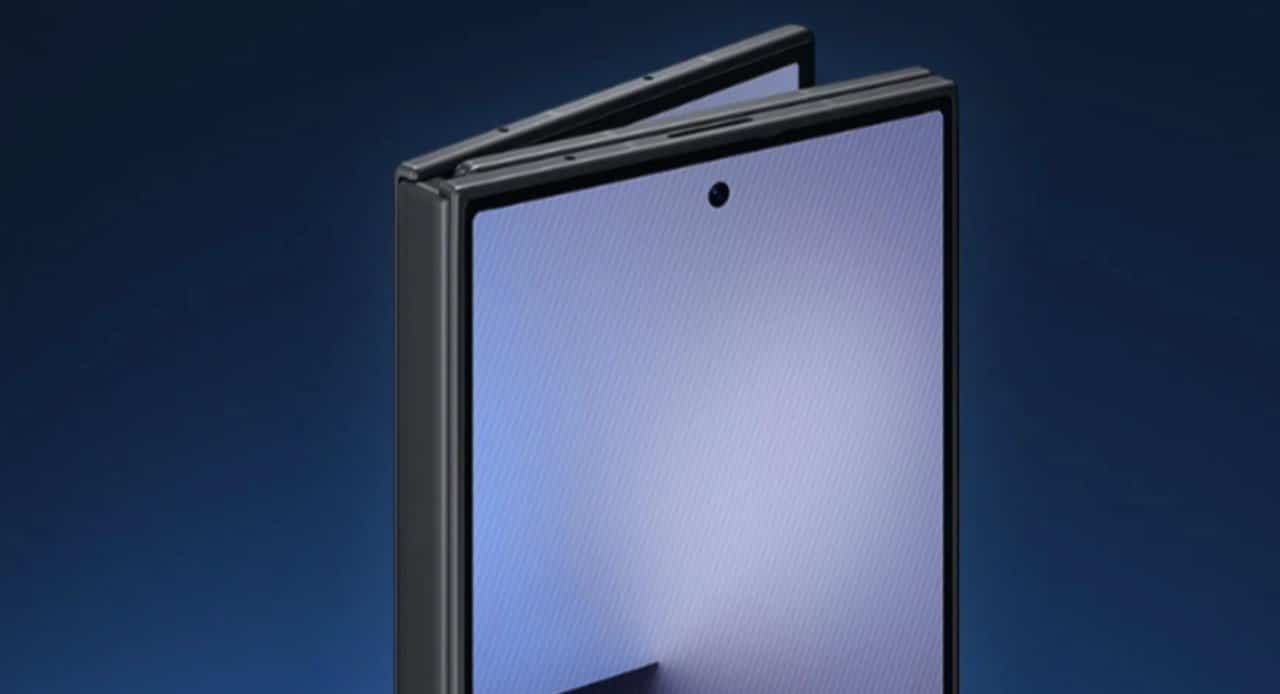
Durability assessment of the latest release of the Samsung has exposed critical vulnerabilities in the innovative tri-fold design. The device, which promises to revolutionize the market with its large 10-inch screen, faced severe difficulties when subjected to intense physical pressure, resulting in catastrophic failures of the aluminum structure and display panel. Embora the device features cutting-edge specifications, such as the Snapdragon 8
The specialized channel JerryRigEverything conducted practical tests that resulted in the equipment becoming unusable. Diferente of previous models of the brand that survived similar procedures, the mechanical complexity required to accommodate two hinges appears to have compromised structural rigidity, making the device susceptible to permanent damage under mechanical stress.
Resistance differences between display panels
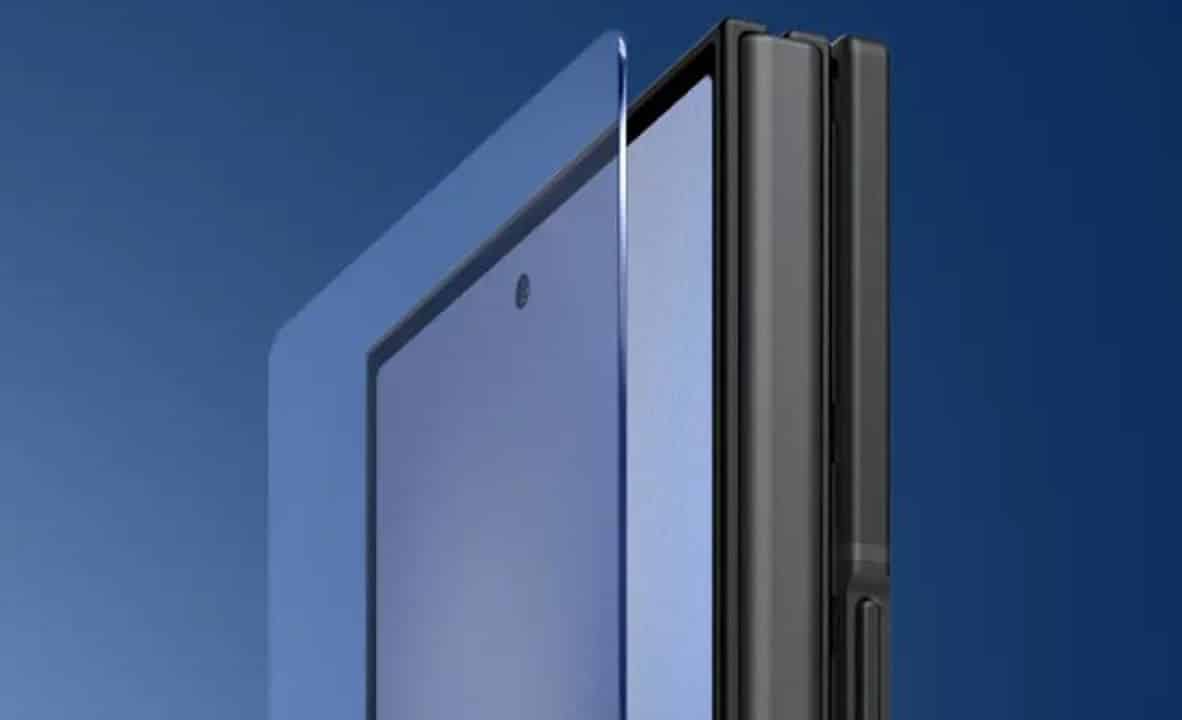
Scratch tests demonstrated a significant disparity between the smartphone’s outer and inner surfaces. The external display, protected by Gorilla Glass technology, maintained its integrity up to level 6 of the Mohs hardness scale, presenting deeper grooves only at level 7, an acceptable standard for the premium segment.
On the other hand, the flexible internal screen proved to be extremely delicate due to its plastic composition necessary for the bending movement. The material suffered visible and permanent marks when pressed with just a fingernail, indicating that contact with common objects, such as keys or coins, can cause irreversible damage to the main viewing surface.
The back of the device, made of fiberglass, also showed low tolerance to sharp objects. Essa characteristic reinforces the need to use protective covers, since the aesthetic finish does not offer a sufficient barrier against everyday abrasions.
Thermal performance and particle sealing
Direct exposure to fire revealed the sensitivity of the OLED components used in the Galaxy Z TriFold. Enquanto a tela externa resistiu por cerca de 17 segundos antes de apresentar falhas nos pixels, o painel interno sucumbiu em apenas 10 segundos, com marcas de queimadura que não se regeneraram após o afastamento da chama.
Outro point of attention was the sealing of the folding system. Apesar IP48 rating, which suggests some protection, the mechanism allowed dust and fine sand to enter during testing. The accumulation of this residue resulted in audible grinding noises when opening and closing the device, suggesting potential accelerated wear of internal gears in uncontrolled environments.
- External screen: fire resistance for 17 seconds.
- Internal screen: permanent damage after 10 seconds of heat.
- Hinges: mechanical compromise due to dust ingress.
- Certification: IP48 insufficient for fine particles.
Critical breakdown of the structure and internal analysis
The decisive moment of the evaluation occurred during the reverse flexion test, where the device was forced in the opposite direction to its closure. The aluminum structure, designed to be extremely thin, quickly deformed and broke along the antenna lines, causing the display to immediately and permanently shut down.
Subsequent disassembly of the device revealed the internal engineering, highlighting the presence of three batteries totaling 5,600 mAh distributed across the body segments. The analysis also highlighted the absence of dedicated thermal paste, indicating that heat dissipation depends exclusively on the metal casing.
Comparativamente, model Galaxy Z Fold 7 had withstood similar pressures without catastrophic failures. The TriFold result highlights the engineering challenges faced in reducing the thickness of devices with multiple folding points, where structural integrity ends up being sacrificed for the sake of portability and design.
