
The resistance of a significant portion of Apple smartphone owners to migrate to the latest version of the operating system created an alarming scenario of digital vulnerability at the beginning of the year. The reason, interestingly, is not linked to performance problems or lack of storage, but rather to a widespread rejection of the new visual guidelines and artificial intelligence integrations proposed by the manufacturer. Especialistas in cybersecurity point out that this decision, motivated by aesthetic preferences, leaves devices unprotected against critical flaws in the navigation engine, allowing malicious actors to exploit remote code execution loopholes.
The scenario worsens when considering that security fixes are inseparable from visual changes in the update package, putting banking data and personal information at risk. The main points of conflict cited by users who chose to block the update include:
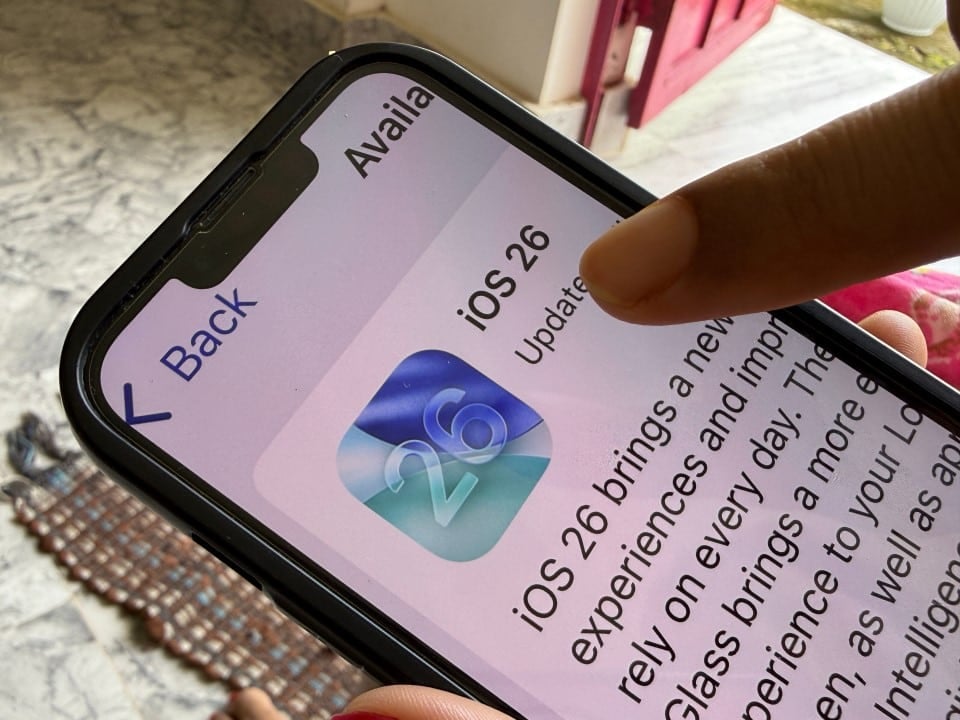
- Difficulty in reading caused by excessive translucency in system menus;
- Distrust about data monitoring by the new native AI integrated into adjustments;
- Visual discomfort caused by constant and intrusive interface animations.
Critical risks ignored due to visual preference
The focus of the technical concern lies in two specific vulnerabilities cataloged as CVE-2025-43529 and CVE-2025-14174. Estas flaws directly affect WebKit, the engine that renders web pages in the Safari browser and other apps in the iOS ecosystem. Sem the fix applied in version 26.2, the system remains susceptible to malicious scripts that can be activated simply by visiting a compromised page or clicking on an infected link within third-party applications.
Exploitation of these holes allows attackers to execute arbitrary code in the device’s memory, bypassing standard hardware protections. Isso means that, by prioritizing the maintenance of an old and familiar layout, the user inadvertently hands over an access key to their most sensitive data, turning the device into an easy target for cybercrimes aimed at identity theft and financial fraud.
Liquid glass design controversy and privacy
The aesthetic dissatisfaction driving this risky behavior revolves around the new design language adopted by the company, dubbed “Líquido Glass.” The interface relies heavily on transparencies, blurs and overlapping layers, which generated criticism about readability and eye strain. Para many consumers accustomed to solid, high-contrast interfaces, the change was drastic, making daily usability difficult and generating a wave of complaints on technology forums and social networks.
In addition to the visual issue, the deep integration of Apple Intelligence raises trust barriers. The realization that AI algorithms are scanning personal data to optimize proactive functions has generated discomfort among privacy-focused users. The fear that the update will activate unwanted monitoring features has been a determining factor in keeping devices on previous, even unstable, versions of the operating system.
Accessibility settings as a secure solution
Technology analysts emphasize that it is not necessary to sacrifice security for visual comfort. The operating system offers robust accessibility tools that allow you to reverse most unwanted aesthetic changes. When browsing through the adjustments, the user can activate options such as “Reduce Transparência” and “Increase Contraste”, eliminating the glass effect and returning to solid backgrounds and more readable menus, similar to previous versions.
To mitigate concerns about artificial intelligence and excessive screen movement, you can disable specific features of the Apple Intelligence and turn on the “Reduce Movimento” function. Essas Simple settings neutralize parallax animations and prevent AI from processing data in the background, ensuring the device receives vital WebKit corrections without forcing the user to live with an interface they find unpleasant or intrusive.
