
The recent leak about the front camera of the Galaxy S26 Ultra brought details that caught the attention of technology enthusiasts. The Samsung device should maintain most of the selfie camera features present in the previous model. Essa continuity indicates that the company focuses on refinements rather than revolutions in the front camera segment for the 2026 lineup. Resolution remains at 12 megapixels while the sensor size remains at 1/3.2 inch with 1.12 micron pixels. The f/2.2 aperture remains standard and the field of view now reaches 85 degrees. The sensor is now produced by Sony replacing the previous component from Samsung itself. Essa change represents an adjustment to the manufacturer’s supply chain without drastically altering the final quality of the captured images.
Experts closely monitor information that emerges about flagships. The launch is scheduled to take place soon during the Unpacked event. Expectations are high to see how the adjustments impact the user’s day-to-day experience with selfies and video calls.
The reliable leaker has shared the full specifications of the selfie camera. The component maintains a resolution of 12 megapixels. The sensor size remains at 1/3.2 inch with 1.12 micron pixels and f/2.2 aperture.
Selfie camera specifications maintain the technical basis of its predecessor
The Galaxy S26 Ultra must use a sensor produced by Sony in place of the previously used component. Essa change represents an adjustment in the manufacturer’s supply chain. Usuários may notice subtle differences in image quality in certain lighting conditions thanks to the new supplier.
The field of view has been expanded to 85 degrees. Essa measurement offers a slightly wider capture for group or landscape selfies. The feature makes it easier to include more elements in the frame without having to move the device away.
The camera hole structure may be slightly larger to accommodate the new design. The hardware continues to support advanced processing capabilities of the Galaxy line. Essa integration ensures photos remain consistent with what users already know.
The front module receives refinements in the internal assembly. Esses adjustments aim to reduce unwanted reflections in strong light situations. The Samsung maintains the focus on durability and component resistance against dust and humidity.
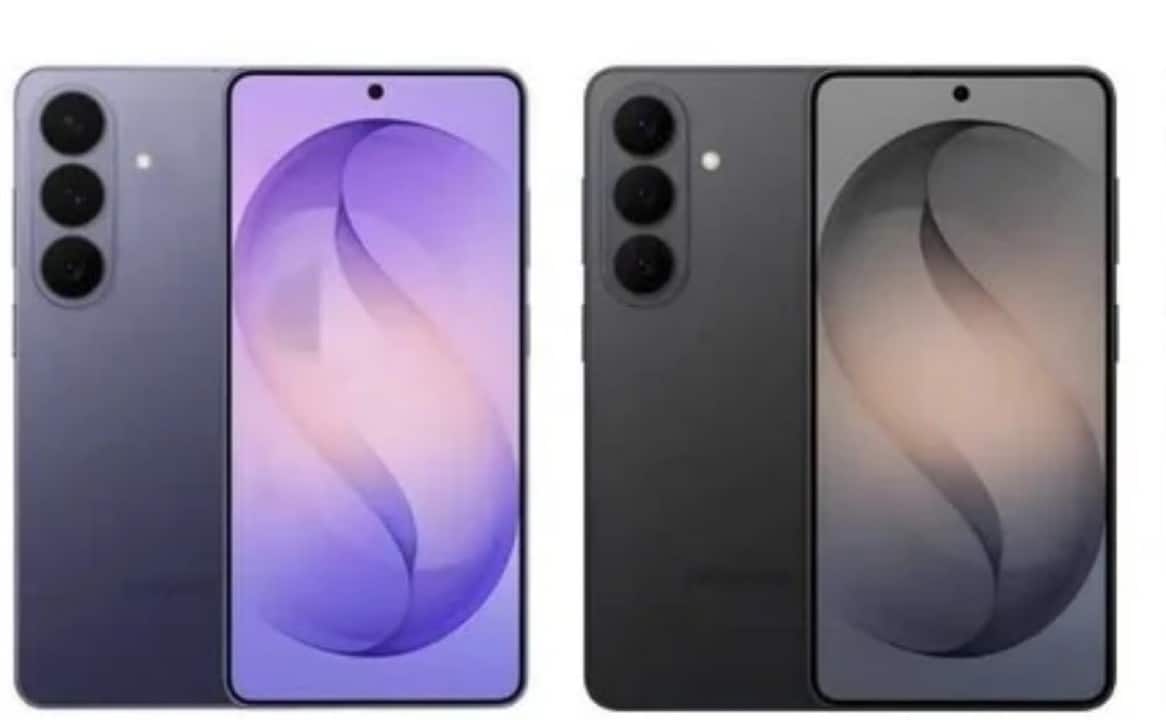
Changes in viewing angle benefit everyday framing
The change in the front camera’s field of view allows for more natural framing in social situations. Pessoas who shoot videos for social media will appreciate the greater coverage of the scene. The hardware continues to support dual phase detection autofocus capabilities.
Samsung engineers adjusted the design to accommodate the new component. Essa adaptation maintains integration with the company’s image processing system. The result is an experience consistent with recent generations of the Galaxy line.
Leaked full specifications of the front component
The new sensor does not change the final resolution of the photos. The output remains at 12MP with the same physical dimensions. The f/2.2 aperture ensures adequate performance indoors and outdoors.
- The 85-degree field of view represents an increase over the previous model’s estimated values.
- 1.12 micron pixels help capture light in low-light conditions.
- Compatibility with artificial intelligence features remains guaranteed for software improvements.
- The punch-hole assembly has been optimized for better on-screen aesthetics.
The combination of hardware and software defines the final quality of the selfies. Samsung’s artificial intelligence algorithms compensate for physical sensor limitations. Essa approach has been the brand’s differentiator in recent years with regular updates via the operating system.
Practical benefits of the new field of view on the front camera
Professionals who rely on video calls notice the difference in the broader picture. The feature is useful in remote meetings where multiple people appear on the same plane. Image quality in low light should remain stable with the new Sony sensor.
Photography app developers await hands-on testing after launch. Integration with editing tools integrated into the operating system allows for quick adjustments. Common Usuários benefit from presets optimized for different shooting scenarios.
Direct comparison between Galaxy S26 Ultra and the previous model
The similarity between the two models is evident in most technical parameters. The main difference lies in the sensor supplier and the slightly larger angle. Essa strategy allows Samsung to control production costs without compromising the experience perceived by the consumer.
The most advanced processor of the new generation helps process images from the front camera. Recursos artificial intelligence such as facial enhancement and video stabilization gain efficiency with the new chip. The combination raises the bar even with similar hardware in terms of resolution and physical size of the sensor.
Switching to the Sony sensor maintains the same numerical specifications. The 1/3.2 inch size and 1.12 microns per pixel guarantee continuity in performance. Essa decision reflects the maturity reached by image sensor technology in current smartphones.
Incremental evolution strategy for Galaxy line cameras
The Korean manufacturer opts for incremental advances in photographic hardware. The biggest focus is on software optimizations and artificial intelligence integrated into the system. Essa choice reflects the maturity reached by current sensor technology in the premium smartphone market.
Development teams thoroughly test new configurations before official release. The event in San Francisco on February 25th will serve to present all the new features in the series. Convidados and press will attend live demonstrations of the device’s capabilities in different usage scenarios.
The Samsung is committed to regular software updates that improve front camera performance. Essas updates occur over the months following launch. The long support cycle ensures that the Galaxy S26 Ultra continues to receive improvements even after the initial sales period.
Subtle updates expected on the device’s rear cameras
The Samsung also prepares modest improvements to the rear lenses of the Galaxy S26 Ultra. Aberturas wider on some cameras allow more light to enter in night photographs. The 200MP main sensor should be maintained with possible refinements in data processing.
The ultra-wide module continues with high resolution for wide landscape captures. Lentes telephoto receive attention for superior optical zoom. Esses adjustments contribute to a versatile camera system suitable for different styles of professional and amateur photography.
The wider aperture on the main lens makes shooting in challenging lighting conditions easier. Real-time image processing automatically corrects distortions. Essa functionality elevates the usability of the back set during travel and outdoor events.
Additional details on front camera design and integration
The screen design of the Galaxy S26 Ultra accommodates the new front module with precise adjustments. The punch-hole gains a slightly larger contour to accommodate the enlarged component. Essa change keeps the screen aspect ratio usable without interfering with the viewing of multimedia content.
Integration with the facial recognition system remains unchanged. The front sensor continues to support fast and secure biometric unlocking. Essa feature is essential for users who prioritize practicality in daily access to the device.
The device’s premium finish includes reinforced protection around the selfie camera. Materiais scratch-resistant preserves component integrity over time. Samsung applies strict quality standards to all Ultra series flagships.
Technical reasons for adopting the Sony sensor on the front
The decision to change suppliers aims to diversify the production chain of key components. The Sony sensor offers characteristics equivalent in size and resolution to the previous one. Essa equivalence guarantees that the quality perceived by the end user does not suffer significant variations.
The new component may present improvements in color calibration in partnership with the new generation processor. Specific Algoritmos optimize white balance and noise reduction. The practical result is greater consistency in selfies taken in different natural and artificial lighting environments.
The collaboration between Samsung and Sony in the development of image sensors is well known in the industry. Essa partnership allows access to exclusive semiconductor manufacturing technologies. The Galaxy S26 Ultra directly benefits from this combined expertise in photographic hardware.
What consumers can expect from the selfie camera in everyday life
Many users prioritize the quality of the front camera for daily use on social networks and video calls. The slight increase in the field of view meets demands for more inclusive framing in collective photos. Maintaining resolution ensures compatibility with current high definition sharing standards.
Initial testing based on available information indicates consistent performance across different scenarios. The Samsung’s hardware and software integration allows for predictable results in a variety of shooting situations. Essa reliability is valued by those who use their phones professionally for visual content.
The device’s battery supports long sessions of using the front camera without excessive drainage. The main chip’s efficient processing optimizes power consumption during 4K recording. Usuários who create long-form videos for digital platforms appreciate this energy efficiency.
Integration with Samsung’s artificial intelligence resources
The artificial intelligence capabilities applied to the front camera of the Galaxy S26 Ultra continue to evolve. Funções like background removal and portrait enhancement works based on the new sensor. The combination of hardware and software delivers fast and accurate results without the need for subsequent manual editing.
Samsung regularly updates the artificial intelligence suite via system updates. Essas improvements fix possible limitations of the real-time physical sensor. The end user realizes an improved experience throughout the device’s lifecycle.
The Galaxy S26 Ultra maintains compatibility with all accessories and third-party applications that exploit the front camera. Desenvolvedores of beauty and filter apps can continue to create personalized experiences. Essa opening contributes to the rich ecosystem surrounding the brand’s flagships.
