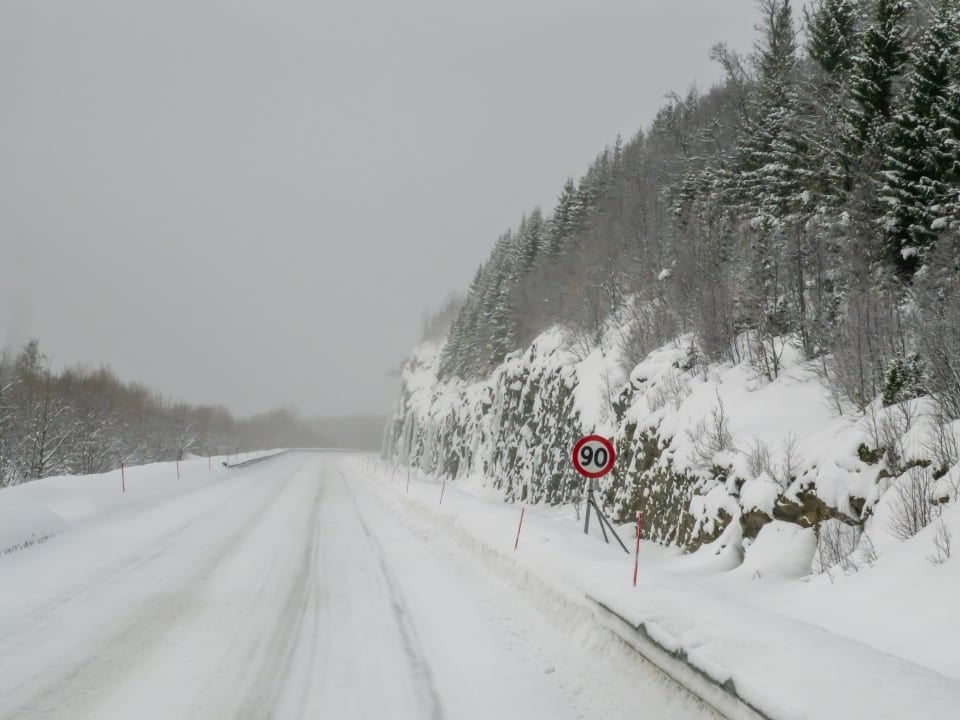
Snow began to fall mixed with rain in eastern areas from Iowa on Thursday night, leading to slippery road conditions. Autoridades weather forecasters have issued warnings for dangerous travel that extend into Friday morning. The phenomenon occurs in cities such as Cedar Rapids and Waterloo, where the expected accumulation varies from 15 to 23 centimeters in some regions. The transition to pure snow happens gradually as the cold air moves in.
Drivers face reduced visibility due to snow blown by strong winds. Equipes road maintenance workers work to clear the roads, but the rapid backlog complicates operations. Relatos initials indicate that secondary roads already have total snow coverage. The situation affects the night commute and the start of the next day.
The Serviço Nacional of Meteorologia monitors the storm’s progress with radar. Modelos forecasts show consistency in the band of heavier snow along a specific line. Áreas to the north and south may record smaller amounts due to variations in the storm’s path. Impacts include transport delays and the need for extra precautions.
Observed climate transition
The initial mix of rain and snow observed in the early evening evolves into all-snow precipitation as temperatures drop. Esse process starts at points like Manchester and Cedar Rapids around 10pm, local time. The transition line advances towards the river Mississippi between midnight and 2 am. Condições of road deteriorate quickly during this period.
The snow continues through the morning, gradually ending after 5am in western counties. Tapering off occurs from southwest to northeast, leaving the area completely by noon. Ventos strong contribute to snow drifts, worsening coverage on exposed roads. Autoridades recommend checking road conditions before leaving.
Accumulations and regional variations
Forecasts call for a heavy band of snow depositing between 15 and 23 centimeters in central eastern areas from Iowa. Relatos of weather stations confirm significant initial quantities in locations such as Omaha and surrounding areas. Há potential for abrupt cut in quantities north and south of the main band. Ajustes in the models increases confidence in the location of the axis of greatest precipitation.
The line of greatest accumulation runs from Waterloo to Fayette and Prairie du Chien, with consistency observed in the afternoon updates. Qualquer minimum deviation in the storm’s path changes local totals. Áreas and Decorah report up to 38 centimeters in isolated spots, with roads completely covered. Equipes emergency responders respond to stuck vehicles.
Variations occur due to the influence of dry air in more southern regions. Perto from I-80, precipitation may be light or mixed initially. Continuous Monitoramento adjusts expectations for accurate impacts.
Impacts on traffic and safety
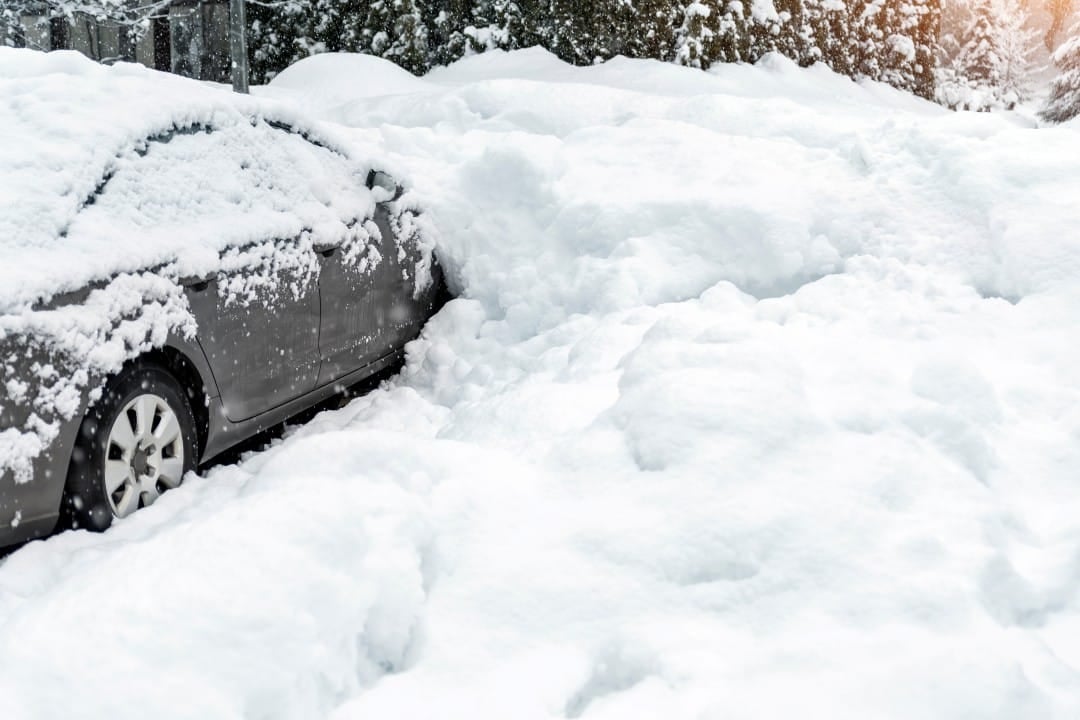
Roads experience slippery conditions due to rapid accumulation, with snowfall rates exceeding 2.5 centimeters per hour at peaks. Ventos with gusts above 64 km/h cause blowing snow, reducing visibility to less than 800 meters in sections. Autoridades advise against non-essential travel, especially on interstate highways like I-80 and I-880.
Reports from counties like Winneshiek indicate stranded vehicles and trucks, with towing services overwhelmed. Local police isolate affected areas for cleaning operations. Motoristas must equip vehicles with suitable tires and emergency kits. Atualizações in real time via traffic apps help plan alternative routes.
The situation persists on Friday morning, with drifts continuing to block passages. Equipes Municipalities prioritize main roads, but residential streets take longer to clear. Coordination between state agencies ensures efficient response.
Precautions include reducing speed and maintaining a safe distance between vehicles. Initial Incidentes involve minor landslides, with no reports of serious injuries to date.
Short and long term forecast
For the next nine hours, snow dominates, leading to slick roads and continued traffic impacts. Friday morning maintains risky conditions, with persistent blowing snow. Temperaturas cold temperatures preserve the soil cover, prolonging the effects. The end of precipitation occurs gradually, but cleanup takes additional hours.
In the short term, impacts on travel will last until Friday afternoon, with improvements as winds decrease. The weekend brings continued cold, with lows below freezing in several areas. Condições improve gradually, with no further significant precipitation forecast immediately.
In the long term, cold dominates until the weekend, followed by gradual warming in the following week. Temperaturas rise to values above the seasonal average. Modelos indicate transition to milder patterns, reducing risks of additional snow. Monitoramento follows for possible changes.
Current weather alerts
Serviço Nacional of Meteorologia issues winter storm warnings for the east of Iowa, covering counties from Cedar Rapids to Dubuque. Esses alerts highlight risks of heavy accumulation and reduced visibility. Áreas under advisory include peripheral regions with lower expected quantities. Atualizações occur every few hours based on radar data.
Radars like the Pinpoint Doppler capture the progress of the precipitation line in real time. Imagens show the narrow but intense band moving northeast. Integração of satellite data refines location predictions. Usuários access these resources via official websites for planning.
Local response measures
Authorities in Cedar Rapids coordinate snow removal efforts with heavy equipment. Escolas and institutions evaluate possible delays or closures for Friday. Empresas advise employees to work remotely where possible. Preparation includes stock of salt and sand for road treatment.
Rural communities face greater challenges due to less traveled roads. Voluntários assist in rescuing stuck vehicles. Hospitais prepare for possible climate-related emergencies. Communication via radio and apps keeps the population informed.
- Check road conditions on sites like 511ia.org before traveling.
- Equip vehicles with chains or winter tires for improved traction.
- Keep a safe distance and reduce speed on slippery surfaces.
- Avoid night trips if possible, prioritizing safety.
History of similar events
Winter storms like this occur periodically in the Meio-West, with similar patterns in previous years. Registros show comparable accumulations in February of past seasons. Análises of climate data indicates frequency of heavy snow bands in specific corridors. Estudos help refine predictive models for future events.
Comparisons with recent storms reveal consistencies in trajectories and impacts. Dados of local stations accumulate information for climate research. Long-term Tendências point to seasonal variations influenced by global patterns. Registros assist in urban planning for resilience.
Technological developments in radars improve the accuracy of forecasts. Integração of AI in meteorological models speeds up analysis. Comunidades benefit from more timely alerts, reducing risks.
Community preparedness
Residents stock up on essential supplies like food and portable heaters. Bairros organize support networks for the elderly and vulnerable. Escolas send notifications about possible changes to the schedule. Empresas adjust operations to minimize disruptions.
Utilities increase teams for ongoing maintenance. Linhas emergency personnel receive calls related to weather incidents. Coordenação state guarantees distribution of resources. Collective preparation mitigates adverse effects.
Conditions in neighboring areas
Adjacent regions such as Nebraska and Wisconsin record similar impacts from the same system. Acúmulos in Omaha reach 20 to 23 centimeters in metropolitan points. Estradas interstates connecting states face restrictions. Colaboração between interstate agencies facilitates responses.
In southwest Iowa, amounts vary from 8 to 15 centimeters with strong winds. Áreas rural areas report significant drifts obstructing access. Monitoramento set refines regional alerts. Shared Dados improves the overview of the storm.
