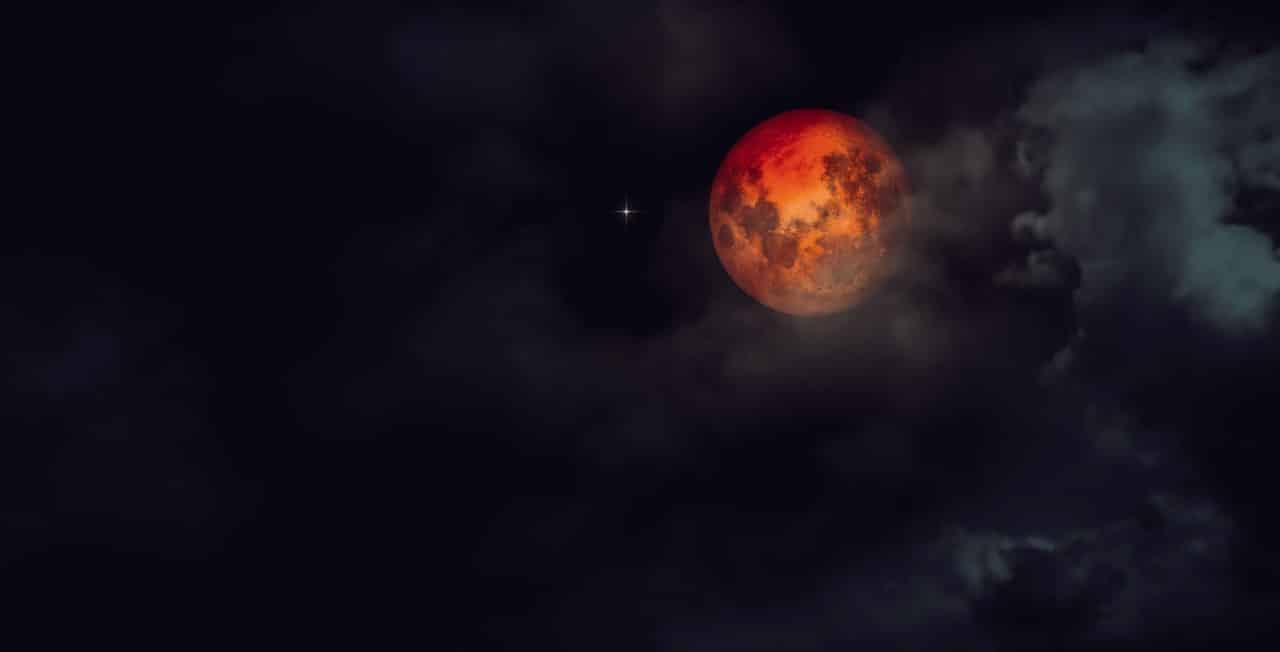
A total lunar eclipse will occur in the early hours of March 3, 2026, coinciding with the full Lua of the month. The phenomenon will leave Lua with a reddish hue for around 58 minutes during the totality phase. NASA’s Astrônomos released detailed maps and schedules for observation in different regions of the planet. The event can be seen with the naked eye in areas with clear skies, without risk to vision.
The eclipse happens when the Terra is positioned between the Sol and the Lua, projecting its shadow onto the satellite. Sunlight filtered by the Earth’s atmosphere reaches Lua, giving it the characteristic red color. Esse type of lunar eclipse is visible from the entire night side of Terra where the sky allows, unlike solar eclipses that require precise alignment.
The combination with the full Lua of March results in the earthworm’s traditional nickname of Lua of Sangue. The term earthworm refers to indigenous traditions from the Hemisfério Norte, marking the period when the ground thaws and earthworms reappear on the surface.
How the total lunar eclipse develops
The phenomenon begins with the penumbral phase, when Lua enters the outer shadow of Terra. The change is subtle at first and gradually intensifies. Then the partial phase appears, with part of the lunar disk visibly darkening.
During totality, Lua is completely immersed in the umbra, the darkest central shadow. Essa stage lasts 58 minutes, the period in which the satellite acquires the most intense reddish tone. The maximum occurs when coverage peaks.

Eclipse schedule at Brasília time
The penumbral eclipse begins at 3:44 am on March 3. The partial phase begins at 4:50 am, with Lua beginning to show notable dimming. Totality extends from 6:04 am to 7:03 am, marking the culmination of the event.
The partial phase ends at 8:17 am, followed by the penumbral closing at 9:23 am. Esses times refer to the Brasília time zone and vary depending on the geographic location of the observer. Regiões in the west of the country can capture more phases before dawn.
Visibility in Brasil and other regions
In Brasil, the eclipse occurs close to dawn, limiting the observation of totality in a large part of the territory. Áreas of Norte and Centro-West have a greater chance of seeing the partial phase before Lua sets on the western horizon. The sky needs to be clear for good viewing.
In regions such as west of Estados Unidos, Austrália and east of Ásia, the phenomenon appears at favorable nighttime hours. NASA has prepared visibility maps that show outlines of areas with a complete or partial eclipse. The central Pacífico offers the best conditions to follow all stages.
Tips for observing the phenomenon safely
Unlike solar eclipses, lunar eclipses do not require special eye protection. Observation can be done directly with the naked eye, without damaging vision. Binóculos or simple telescopes enhance the details of the reddish lunar surface.
Choose locations away from light pollution for better contrast. Verifique the weather forecast, as clouds can impede vision. Posicione is in open areas with a clear horizon to the west, especially in Brasil, where Lua sets during the event.
Origin of the name Lua of Sangue of the earthworm
The red hue arises from the refraction of sunlight in the Earth’s atmosphere, similar to sunset. Esse optical effect gives Lua the popular name of Sangue. The earthworm complement comes from traditional calendars that associate March with the return of activity in the soil after winter.
The 2026 event is the only total lunar eclipse of the year. The next total will not occur until late 2028, making it a rare opportunity for amateur and professional observers alike. Instituições astronomical institutions encourage photographic recording with cameras on tripods.
The total lunar eclipse of March 3, 2026 offers an accessible natural spectacle. The combination of full Lua and terrestrial shadow creates unique conditions for enjoying the night sky.
