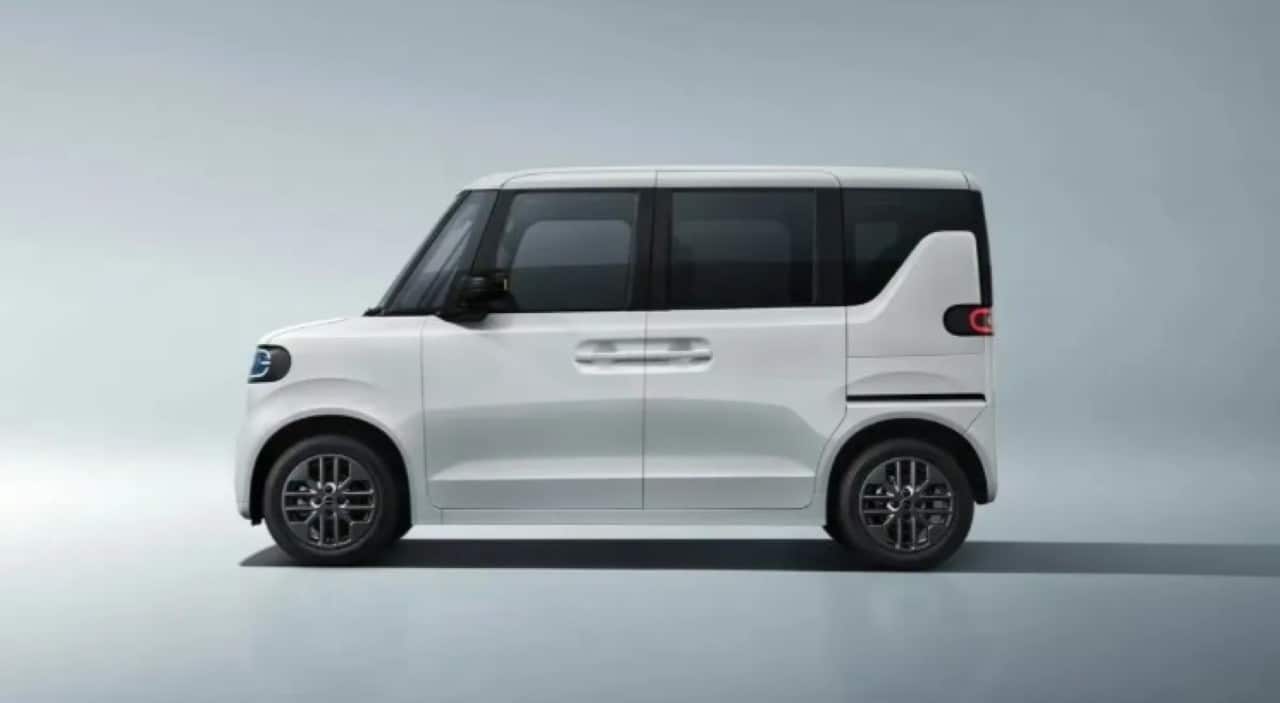
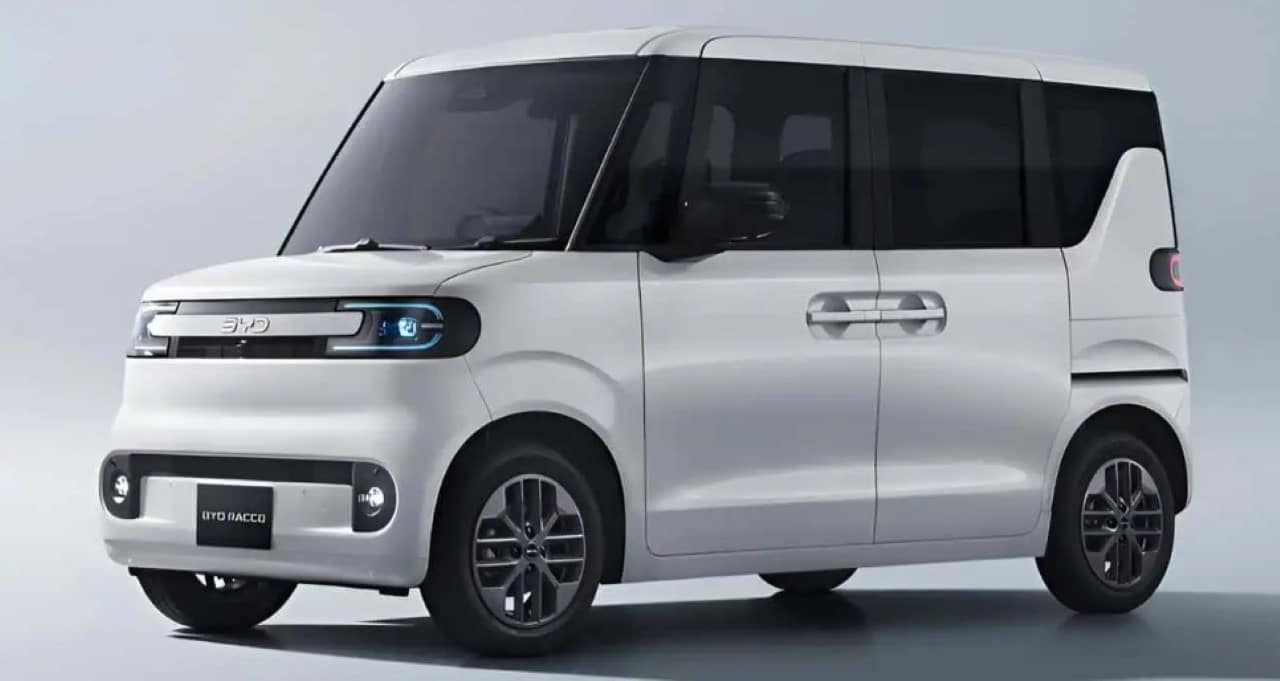
The BYD Racco, the Chinese brand’s first 100% electric kei car, had its interior completely revealed through a recently launched dedicated website. The model, whose name means “sea otter” in Japanese, is scheduled to reach the Japanese market in the summer of 2026. The images show a high-quality finish, superior to that found in many local minicars, with a fixed horizontal central screen and elements that suggest inspiration from strategies from Japanese competitors.
The vehicle was initially presented at last year’s Japan Mobility Show, but only now does the public have full access to the cabin. The right configuration, mandatory on the Japão, includes a three-spoke steering wheel, LCD digital cluster and air conditioning vents with red accents that add an attractive visual touch. The quality of the materials and the precise fit of the components indicate that BYD seeks to compete directly in the kei car segment, where internal space and practicality are decisive.
Full cabin reveal
The photos released highlight the large central screen positioned horizontally, different from the vertical orientation common in other BYD models. Esse layout facilitates access for the driver and passenger, maintaining the focus on everyday usability. The single-zone automatic air conditioning features three-level seat heaters, a feature that increases comfort in cold climates typical of the Japão.
The compact gear lever appears designed for intuitive operation, with the “P” function activated by a dedicated button in certain situations. Portas USB Type A and Type C at the front meet current connectivity needs, following standards seen in popular Japanese vehicles.
Better than expected finish
The interior adopts BYD’s “ocean aesthetics” theme, with smooth curves and undulating surfaces that convey a feeling of spaciousness despite the kei car’s compact dimensions. Bancos front seats in a continuous bench configuration allow easy movement between sides, a common feature in light Japanese minivans.
Details such as vertical umbrella support, dedicated cell phone holder and well-sized cup holders reinforce urban practicality. The elevated ceiling height contributes to greater vertical space, benefiting occupants and cargo during daily commutes.
Mysterious button on the cup holder
One element stands out on the lower console of the dashboard: an unknown button positioned next to the cup holder. Especialistas speculate about two main functions for the component.
The first hypothesis involves adjusting the height of the cup holder, adapting it to cans or bottles of different sizes. The second, considered more likely based on preliminary information, refers to an integrated heating and cooling system.
Hot/cold storage function
If the cooling and heating option is confirmed, the BYD Racco would become a pioneer in the kei car segment with this feature. Current Modelos only use air conditioning ventilation to cool drinks, but without active temperature control.
The system would keep drinks cold in summer and hot in winter, increasing comfort on short trips typical of Japanese urban use. Integration would depend on the 20 kWh LFP Blade battery, which prioritizes energy efficiency.
Expectations for the launch
The Racco measures 3,395 mm long, 1,475 mm wide and 1,800 mm high, respecting kei car rules for tax advantages and easier parking. Portas Sliding rear doors help access in tight spaces.
The estimated range in the WLTC cycle reaches around 180 km, sufficient for daily commuting in the city. 15-inch Rodas and disc brakes at the rear complete the technical package.
Competition in the kei segment
BYD enters a market dominated by local brands, where kei cars represent a significant portion of sales. The focus on premium finishes and innovative features sets the Racco apart from traditional competitors.
Projected starting price of around 2.6 million yen positions the model as an affordable option with advanced technology. The strategy aims to conquer space with quality and exclusive resources.
The BYD Racco demonstrates the manufacturer’s commitment to adapting products to the specific Japanese market. Recursos as a possible climate-controlled cup holder could influence future trends in the mini electric car segment.
