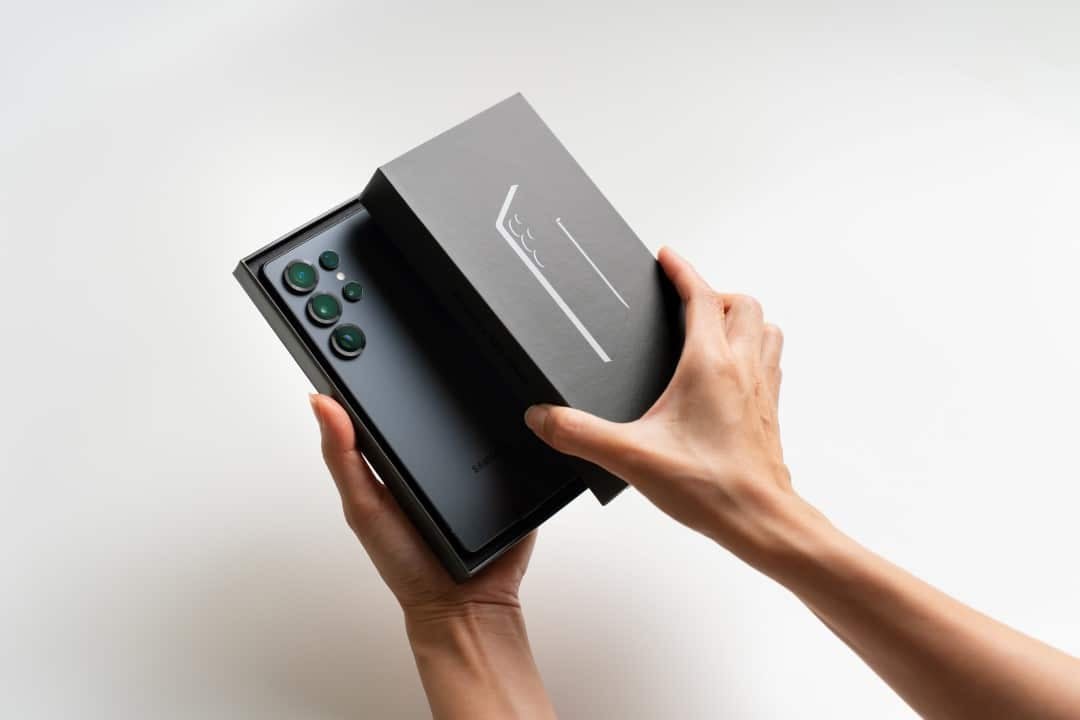
The South Korean giant has once again consolidated its dominant position in the region’s mobile technology sector, securing leadership in total sales during the last cycle. Dados of the market indicate that the expressive performance was fundamentally based on the offer of devices that balance cost and benefit, directly meeting the economic and technical demands of local consumers. The company’s ability to understand the nuances of each Latin American country has allowed deep penetration into varied segments, from entry models to the most robust intermediaries.
Performance Driven by Intermediate Series
The main driver of this positive result was, undoubtedly, the Galaxy A line. Specific Modelos such as the Galaxy A15, A25 and A35 repeatedly appeared at the top of the monthly sales lists, demonstrating a sales consistency that few competitors were able to match.

The attractiveness of these devices lies in the delivery of features that, until recently, were exclusive to premium lines. The inclusion of screens with high refresh rates, which provide more fluid navigation, and processors capable of handling multitasking without choking, has raised the standard of what consumers expect from an intermediate cell phone. Além Additionally, generous storage options have allowed users to keep their data and apps without the constant need for space management, a frequent pain point in older models.
Distribution strategy also played a crucial role. The wide availability of these models, both in large retailers and telephone operators, facilitated physical access to the product. Somado In addition, aggressive seasonal promotions and easy financing plans have removed barriers to entry, allowing consumers with tighter budgets to purchase current technologies.
Competitive scenario and movement of rivals
Although the leadership was maintained with a safe margin, the market was not static. Outras manufacturers continued to compete for consumer attention, with emphasis on Motorola and Apple, which secured notable presences in the ranking of the ten best-selling brands. Competition proved fierce, especially at price points where brand loyalty is often tested by flash deals and constant launches.
Motorola followed a strategy of advancing in specific markets with accessible options and a design that appeals to a young audience, managing to capture important shares in certain countries in the region. Já to Apple maintained its focus on the premium segment. Embora its total volumes do not reach those of the leader due to the high average ticket, sales of recent iPhones remained solid, demonstrating that there is a resilient demand for high-luxury products even in emerging economies.
The diversification of the market leader’s portfolio, however, proved to be a competitive differentiator that was difficult to overcome. By investing in local production in some territories, the company was able to optimize logistical and tax costs, passing on part of these savings to the final price or investing in marketing. Essa operational flexibility allowed us to avoid excessive dependence on niche categories, maintaining healthy cash flow through massive sales volume.
Evolution of consumer preferences
Purchasing behavior at América Latina revealed clear priorities during the period analyzed. The search for energy autonomy has become a basic requirement, with long-lasting batteries no longer being a differentiator but becoming a minimum requirement. Consumidores who spend long hours away from home or on the go prioritize devices that can withstand a full day of intense use without needing to be recharged.
Another determining factor was the gradual expansion of 5G networks. The demand for devices compatible with the new connection technology has grown, boosting the sale of intermediaries that already offer this support. The leading manufacturer’s ability to democratize 5G, inserting it into lower price ranges, was fundamental in capturing this wave of technology park renewal.
Regional adaptations were also valued. Support for multiple local languages and software optimizations for region-specific networks have shown that customization for the Latin market pays off. The durability of the devices under varying climatic and usage conditions also weighed on the purchase decision, reinforcing the brand’s perception of quality.
Importance of long-term software support
One aspect that gained unprecedented relevance was the system update policy. The guarantee of long-term support, both for new versions of the Android operating system and for security packages, has become a powerful selling point. Usuários are staying with their devices longer, and knowing that the device will not become obsolete in the short term justifies the initial investment.
This approach focused on product longevity helped build customer loyalty. Upon realizing that the company is committed to the useful life of the device, many consumers chose to remain in the brand’s ecosystem when changing devices. Isso creates a virtuous cycle where trust in the brand translates into recurring sales and word-of-mouth recommendation.
Projections indicate that the leadership trend should continue in the coming periods. The continued renewal of the Galaxy A line, with incremental improvements in cameras and energy efficiency, positions the company favorably. Mesmo With the market’s sensitivity to economic variations, the demand for connectivity and modern smartphones remains a priority in the budget of Latin American families.
