
Apple is directing its development efforts toward refining the interface of the upcoming mobile operating system, with a specific focus on usability. Informações behind-the-scenes footage indicates that the company seeks to correct visual inconsistencies pointed out by users and experts since the implementation of the current design language. The changes planned for the software must prioritize functionality without abandoning the translucent aesthetic that characterizes the brand’s recent visual identity.
This new phase of development comes at a time of significant transition in the technology giant’s corporate structure. The human interface design team now operates under new leadership, which directly influences the decisions made for the next major system update. The software is expected to present a mature evolution of previously introduced ideas, focusing on polish and stability rather than drastic visual disruptions.
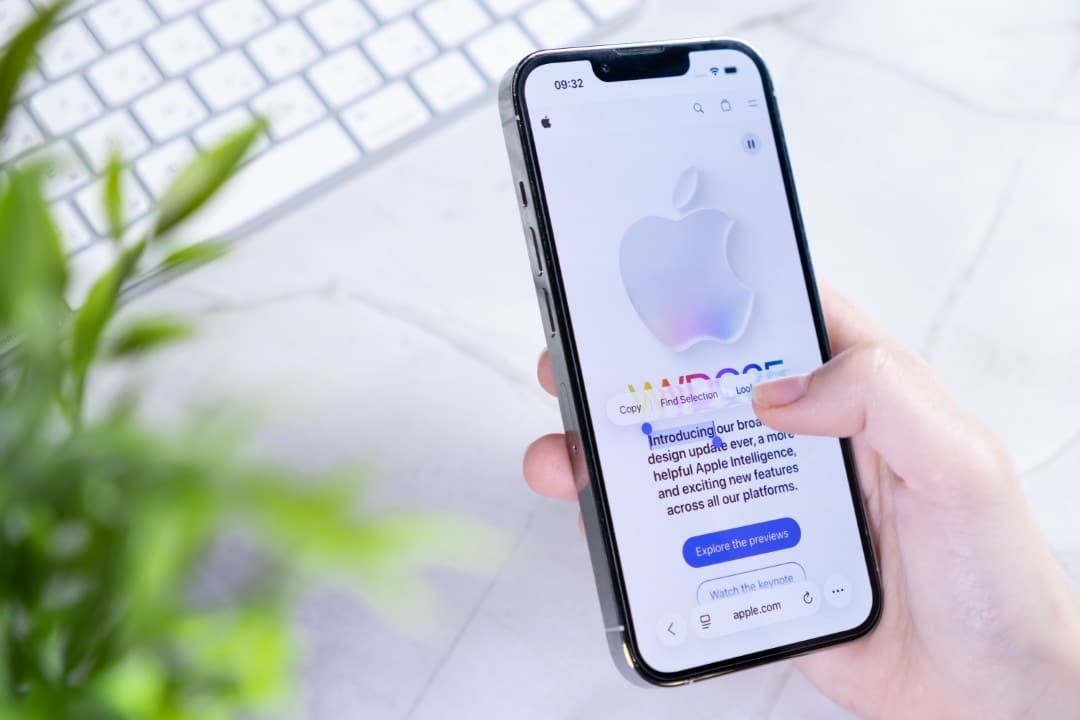
The company’s schedule follows the usual pattern, with official announcements expected during the global developer conference. Até the moment of public unveiling, engineers and designers work to align technical performance with new aesthetic guidelines. The technology community is waiting to see how the new direction will influence daily interaction with the most popular mobile devices on the market.
Command change in the design of Apple
Responsibility for iOS 27’s visual guidelines now falls to Steve Lemay, a veteran with a long history within the company. Ele assumed the leadership role after the departure of Alan Dye, who left the company last December to join the Meta team. The change at the top of the design hierarchy is seen internally as a strategic move to bring a renewed vision, but based on the company’s culture.
Lemay has a track record of more than two decades at Apple, having actively participated in interface development since 1999. Relatos of employees suggest that the transition was well received by the teams, who value the collaborative and detail-oriented profile of the new leader.
The management of Lemay should mark a return to focusing on practical user experience. Enquanto the previous administration was characterized by bold visual experimentation, the new board seems inclined to ensure that form does not detract from function. iOS 27 will serve as the first major public test of this philosophy, demonstrating how new leadership intends to shape the future of the company’s software.
Refinements on the Liquid Glass concept
The center of attention in the update is the improvement of the interface known as Liquid Glass. Introduzida in iOS 26, this visual language based on translucency and refraction effects received mixed reviews due to readability issues in certain contexts. Apple plans to maintain the concept as a base, but will apply technical adjustments to mitigate negatives reported by the user base.
Among the main complaints that must be addressed are the behavior of navigation bars and playback controls in media applications. Usuários reported frustration with elements that disappear or become difficult to see depending on the screen background. The update should introduce options to reduce transparency or fix essential controls, ensuring that aesthetics do not compromise accessibility.
Developers point out that the new adjustments also aim to reduce cognitive load when using the device. The idea is to soften refraction effects so that text and icons stand out more clearly against dynamic backgrounds. Esses refinements are described as a direct response to feedback collected over the last year, demonstrating the company’s receptive stance to its consumers’ demands.
Performance and battery improvements
In addition to the visual changes, iOS 27 will bring deep optimizations to the system code. Apple is taking the opportunity to clean up legacy code, which should result in more fluid and responsive navigation. Energy efficiency is also a priority, with the promise that interface refinements will consume less graphics processor resources.
Updating older native apps is part of this optimization strategy. Ferramentas that didn’t receive attention a few generations ago of the operating system should gain performance improvements to keep up with the new visual language. The goal is to create a cohesive experience, where both the latest apps and basic utilities work with the same consistency and speed.
Technology experts note that this combination of visual polish and backend optimization is crucial to the longevity of devices. By focusing on efficiency, Apple ensures that the new system runs well not only on the latest releases, but also on backward compatible models. Isso reinforces the brand’s commitment to the durability and long-term support of its products.
Expectations for the launch
The industry eagerly awaits the official presentation of iOS 27 at WWDC, where technical details will be confirmed. The conference will serve as a stage to demonstrate how the Steve Lemay philosophy translates into real software. The demonstration of the new features of Liquid Glass will be one of the highlights of the event, setting the tone for the year’s update cycle.
The launch for the general public should take place in the fall, following the company’s traditional calendar. Até there, beta versions will be made available to developers and public testers, allowing for fine-tuning before global distribution. The expectation is that this version of the system will be remembered as one of the most stable and user-focused in recent times.
Market analysts believe that the success of this update is vital to maintaining user loyalty in an increasingly competitive market. Apple’s ability to listen to criticism and implement quick and effective corrections is an important differentiator. With iOS 27, the company seeks to reaffirm its leadership position in interface design and user experience.
