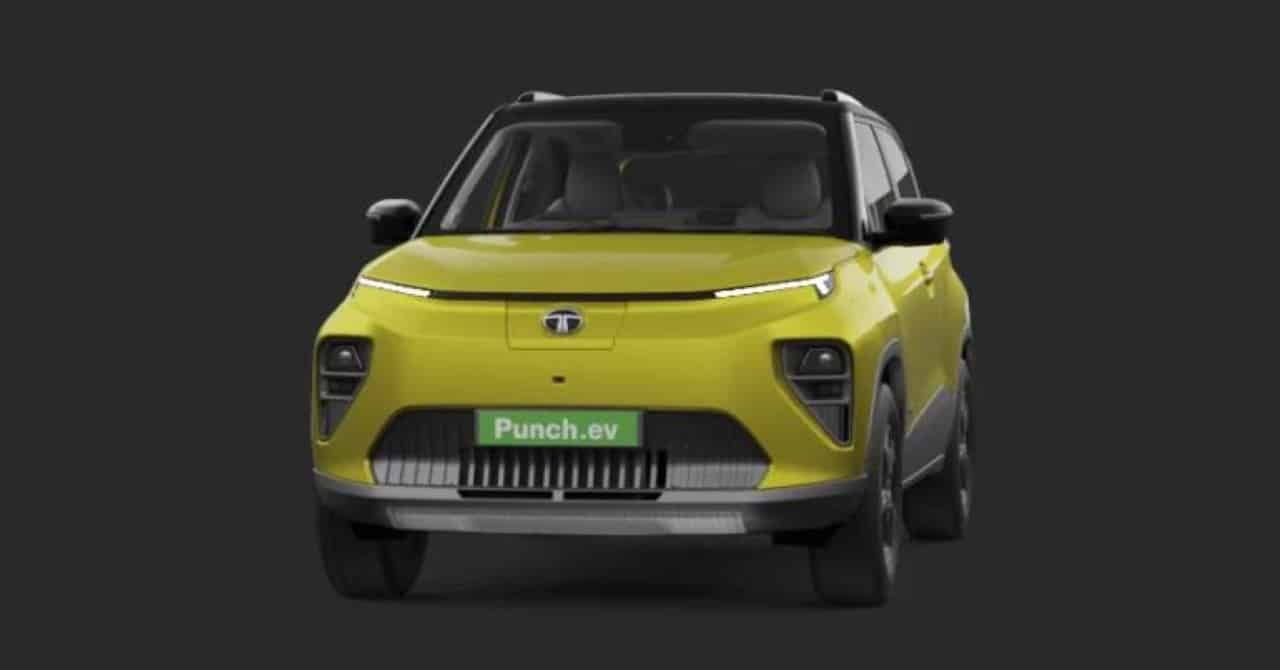
Tata Motors recently launched the Punch EV facelift at Índia, with attractive starting prices to attract buyers in the compact electric SUV segment. The model arrives with 30 kWh and 40 kWh battery options, offering an ARAI-certified range of up to 468 km, and introduces the Battery-as-a-Service (BaaS) model that reduces the initial cost to R$6.49 lakh plus battery rental fee. Esse launch took place on Mumbai, on February 20, 2026, aiming to democratize access to electric vehicles in an expanding market driven by government incentives and growing environmental awareness.
The Punch EV facelift competes directly with options like the Citroen eC3, which starts at Rs 12.90 lakh, and larger alternatives like the Tata Nexon EV and the MG Windsor EV. The upgrades include improvements to the efficiency of the electrical system, with prismatic cells optimized for greater durability and performance, as well as support for 65 kW DC fast charging. Essa strategy positions the vehicle as an affordable choice for urban use, where autonomy and operating cost are decisive factors for consumers.
With BaaS, Tata seeks to attract price-sensitive buyers, allowing for a lower initial investment while battery rental is calculated per kilometer driven. The variants range from Smart to
Design and structure updates
The Tata Punch EV facelift brings subtle changes to the exterior, such as a redesigned front bumper with a larger air intake and a textured silver faux skid plate. The LED-connected taillights have been updated to harmonize with the combustion version of the Punch, maintaining compact dimensions of 3,880 mm long, 1,742 mm wide and 1,622 mm high, ideal for maneuvering in congested cities. Inside, the dual-tone black and white theme has been refined, with updated leatherette upholstery and touch-sensitive climate control panels.
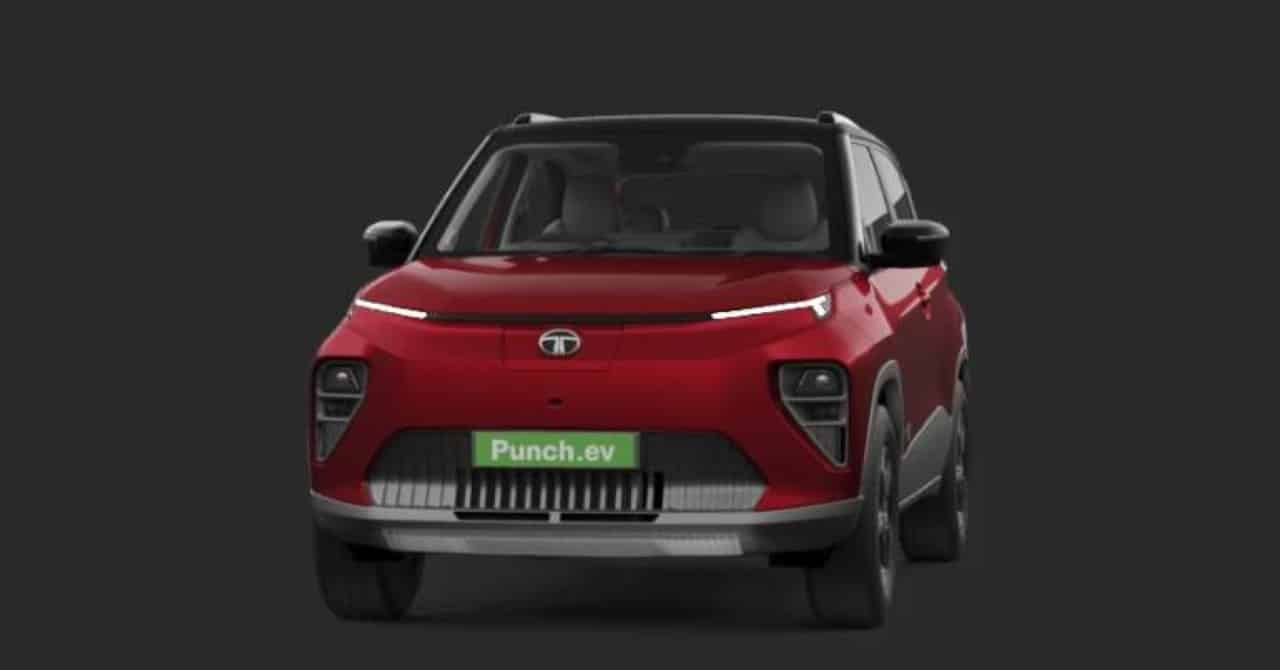
These modifications elevate the visual appeal without altering the vehicle’s rugged essence, which includes a ground clearance of 195 mm and the ability to wade through water of up to 450 mm. The color palette now offers seven options, including three new shades, allowing greater customization for buyers. Além In addition, the power window controls have been repositioned for greater ergonomics, contributing to a more intuitive driving experience.
Battery and performance options
The batteries available in the Punch EV facelift are 30 kWh and 40 kWh, with the smallest offering up to 375 km of autonomy and the largest reaching 468 km, according to ARAI tests. The electric motor varies: 88 PS and 154 65 kW DC fast charging adds 135 km in just 15 minutes, beating rivals like the Mahindra XUV3XO EV, which supports 50 kW.
Efficiency was optimized with prismatic cells with a new geometry, ensuring greater durability and less degradation over time. Modos adjustable driving ranges allow you to change performance, balancing economy and power for different usage scenarios. The lifetime warranty for the 40 kWh battery with unlimited mileage is a differentiator in the segment, reinforcing confidence in the Tata’s electrical technology.
Technology and connectivity features
The Punch EV facelift incorporates a 10-inch digital driver dashboard and a 10.25-inch touchscreen with an updated interface, supporting wireless Apple CarPlay and Android Auto. Recursos as a wireless charger for smartphones, ventilated front seats in the upper variants and a single-pane sunroof increase comfort on long journeys. Connectivity includes connected car technology, enabling remote monitoring via app, which is useful for managing charging and locating the vehicle in crowded parking lots.
Safety is prioritized with six standard airbags, electronic stability control, 360-degree camera and tire pressure monitoring. The electronic parking brake with auto hold facilitates use in heavy traffic, while the paddle shifters adjust energy regeneration levels, optimizing range when descending or braking. Essas innovations position the model as an affordable technological option, competing with more expensive vehicles in terms of daily convenience.
Comparison with the Citroen eC3
The Citroen eC3, the main direct rival, starts at R$ 12.90 lakh and goes up to R$ 13.41 lakh, with a 29.2 kWh battery and 56 bhp engine, offering a range of around 320 km. Embora supports AC and DC charging, its lower power and reduced range make it less versatile for intercity travel compared to the Punch EV, which offers larger battery options and superior acceleration. The eC3 focuses on urban practicality, with European design and comfortable suspension, but lacks features such as a sunroof and ventilated seats present in the Tata.
In terms of cost-benefit, the Punch EV with BaaS comes out ahead, allowing a lower entry into the electricity market. The Citroen, however, attracts with its simplicity and low maintenance guarantee, but the Tata stands out due to the wider dealer network in the Índia, facilitating after-sales support. Essa dispute reflects growing competition in the affordable EV segment, where autonomy and price are decisive.
The Mahindra Seu 50 kW DC charging is less than the Punch EV, but offers 17-inch wheels and rear disc brakes for greater stability. Recursos advanced features like ADAS level 2 and a panoramic sunroof position it as a premium option, but the higher price keeps it away from budget buyers.
MG Windsor EV Review
The MG Seu’s success as a bestseller is due to affordability and features like 60 kW DC charging, but the Punch EV surpasses it in charging speed and unlimited battery guarantee. The Windsor attracts with its modern design and strong sales, reflecting the preference for Chinese brands adapted to the Indian market.
Compared to the Punch, the Windsor offers more battery options, but the Tata counters that with lower starting prices and a focus on urban efficiency. Ambos compete in a niche where low operating cost is essential, but the Punch EV wins on local support network, crucial for mass adoption of EVs in the Índia.
Positioning against the Tata Nexon EV
The Tata’s own Tata EV, larger in size, starts at Rs 12.49 lakh with 30 to 45 kWh batteries and a range of up to 489 km, delivering 148 bhp for superior performance. Ele appeals to those looking for extra space and power, but the Punch EV is more compact and affordable, serving as an entry into the brand’s electric portfolio. The Nexon includes features such as ADAS, but the Punch focuses on cost-benefit for urban families.
This internal overlap allows Tata to cover varying price points, strengthening its EV leadership over Índia. The Punch EV facelift, with its updates, reinforces this strategy, offering flexible options such as BaaS for different buyer profiles.
EV market at Índia and trends
The compact electric SUV segment is growing rapidly in the Índia, driven by subsidies such as FAME II and expansion of charging infrastructure. By 2026, EV sales will represent around 10% of the automotive market, with models like the Punch EV contributing to this transition. Adoption is highest in cities like Mumbai and Delhi, where pollution and fuel costs encourage the switch to electric.
Manufacturers invest in local batteries to reduce dependence on imports, and the Punch EV exemplifies this with optimized cells. Desafios include highway range and recharge time, but advances like 65 kW charging mitigate these points. The government plans more charging stations, facilitating long journeys and accelerating the penetration of EVs.
Advantages of the BaaS model
Battery-as-a-Service reduces barriers to entry by allowing buyers to pay for the battery as it goes, similar to a subscription plan. Isso lowers initial cost by up to 33%, making EVs viable for middle classes. No Punch EV, the rate of R$2.6 per km is competitive, compared to R$3.9 for the MG Windsor, and includes battery maintenance for the Tata.
This model encourages experimentation with EVs, reducing risks of technological obsolescence. Empresas like Tata are leading this innovation, aligning with global mobility-as-a-service trends, where traditional ownership gives way to flexible use.
Considerations for Buyers
When choosing the Punch EV facelift, buyers must evaluate daily use: for short urban journeys, the 30 kWh battery is sufficient, while the 40 kWh battery serves occasional trips. Support for optional 7.2 kW AC chargers speeds up home recharges, essential in homes without fast charging stations. The extended warranty adds peace of mind, especially in Índia varied climates.
Compared to rivals, the Punch balances price, features and autonomy, but rural buyers may prefer options with greater range. The Tata dealership network facilitates maintenance, a key factor in purchasing decisions.
