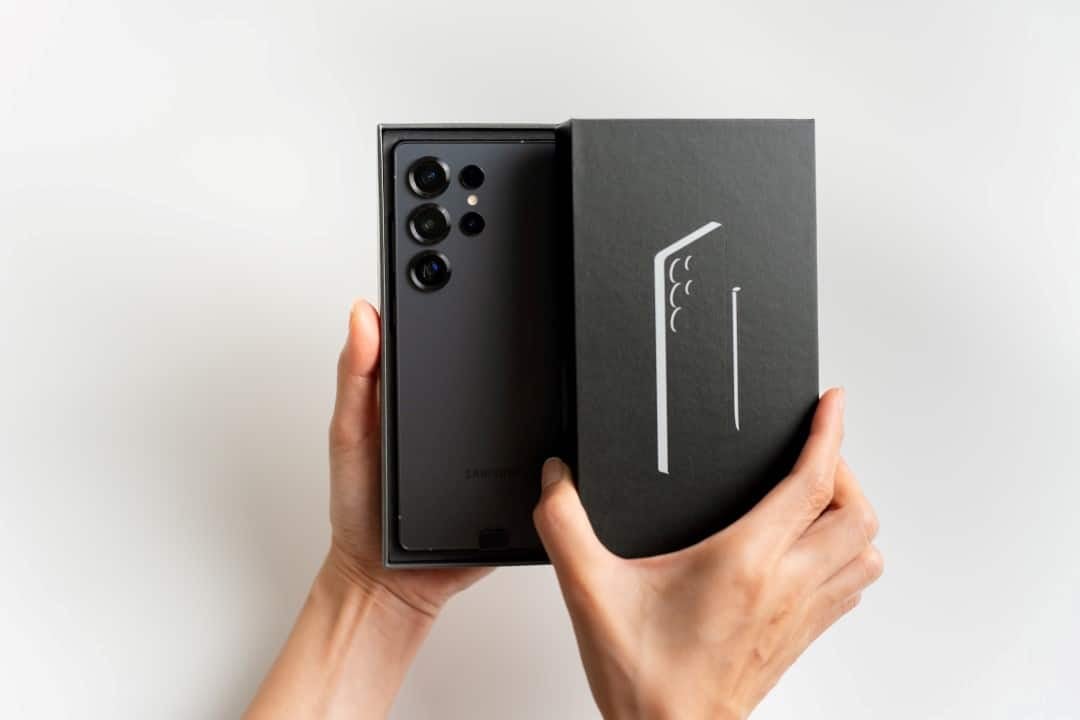
Leak of real images of the Galaxy S26 Ultra generates expectations in the smartphone market. The photos, released by a YouTuber on Dubai, show the device in white and highlight innovations such as the privacy screen. The launch event is scheduled for February 25, 2026, Coreia local time.
The device appears alongside models such as the Galaxy S25 Ultra, iPhone 17 Pro Max, Vivo X300 and Oppo Find X9 Pro. Essas comparisons reveal differences in design, with the S26 Ultra featuring more rounded corners and a prominent camera island. Samsung maintains a focus on gradual evolution, without radical changes to the structure.
Experts point out that the leak anticipates details that would be revealed in Unpacked. The device arrives at a time of fierce competition, with Chinese brands gaining ground. The South Korean company’s strategy aims to reinforce its leadership in the premium segment.
Design details revealed
The leaked images show the Galaxy S26 Ultra with softer edges compared to its predecessor. Esse adjustment seeks to improve ergonomics, facilitating daily handling. The back eschews a unified plate for the cameras, opting instead for individual rings around the lenses.
The cutout for the front camera appears larger, suggesting improvements in the quality of selfies. Comparado to the iPhone 17 Pro Max, the Samsung model appears thinner in side views. Já versus the Vivo X300, the S26 Ultra stands out for the circular arrangement of the sensors, which takes up less space on the rear cover.
These characteristics indicate continuity in the visual language of the Galaxy S line. The company prioritizes refinements in materials, such as titanium in some variants. The leaks also show the device in real use, confirming the integration of the S Pen, an accessory maintained for productivity.
Samsung Galaxy S26 Ultra official promotion posters are out:
—Sanju Choudhary (@saaaanjjjuuu)February 21, 2026
Confirmed features:
• Privacy display with Rounded edges
• 200MP HP2 f/1.4 + 50MP UW + 50MP 5x f/2.9 + 10MP 1/3.94 3x
• 12MP front AF
• 5000mAh battery with 31 hours of video playback
• 75% battery life in…pic.twitter.com/uWKZmWdefO
Featured privacy features
One of the most talked about new features is Privacy Display, which darkens the screen at side angles. Essa technology combines hardware and software to protect sensitive information in public environments. Usuários can activate the feature in specific settings, such as photo gallery or messaging apps.
The system operates at the pixel level, hiding content without the need for external accessories. Testes initials indicate effectiveness in everyday scenarios, such as public transport. Samsung developed this function to meet growing demands for digital security.
Compared to competitor solutions, Privacy Display differentiates itself through app customization. Relatos of beta users point to low impact on battery during use. Essa innovation positions the S26 Ultra as an option for professionals who handle confidential data.
Expected technical specifications
Rumors indicate that the Galaxy S26 Ultra maintains the 5,000 mAh battery, without significant changes in capacity. Fast charging can reach 60W, allowing a 75% recharge in around 30 minutes. Essas specifications align with industry standards, prioritizing energy efficiency.
The Snapdragon 8 Elite Gen 5 processor should equip the model, offering superior multitasking performance. Benchmarks leaks show gains in graphics processing, ideal for games and video editing. RAM memory varies between 12 GB and 16 GB, depending on the variant.
In terms of screen, the 6.8-inch AMOLED display promises QHD+ resolution and a refresh rate of 120 Hz. Gorilla Glass Victus 2 protection guarantees resistance to scratches and falls. Integrações with AI enhances the experience, like automatic suggestions in image editors.
Connectivity includes 5G sub-6 and mmWave support, plus Wi-Fi 7 for higher speeds. Internal Armazenamento starts at 256 GB, expandable via the cloud. Esses elements make up a robust package for demanding users.
Comparisons with competing models
The Galaxy S26 Ultra is positioned against the iPhone 17 Pro Max, which bets on a square design and integrated ecosystem. Enquanto the Apple model emphasizes durability with a titanium structure, the Samsung offers more customization options in the software. Ambas lines compete in computational photography, with advanced algorithms for night scenes.
Compared to the Vivo X300, the S26 Ultra stands out for its video optimization, with optical stabilization on all lenses. The Chinese competitor, in turn, impresses with a circular module that houses high-resolution sensors. Testes comparisons reveal balance in battery life between the two.
The Oppo Find X9 Pro features a rectangular island with rounded edges, focusing on hybrid zoom. The Samsung responds with versatility in the S Pen, absent from its rivals. Essas differences influence consumer choices in emerging markets.
The Galaxy S25 Ultra serves as a basis for evolutions, such as more rounded corners in the successor. Usuários who upgrade annually will notice refinements in privacy and performance. The smooth transition maintains brand loyalty.
Historical context of the Galaxy S line
The Galaxy S series has evolved since its launch in 2010, moving from plastics to premium materials like glass and metal. Initial Modelos prioritized large screens, while recent versions incorporate AI for automation. The S26 Ultra represents the culmination of this trajectory, with a focus on ecosystem integration.
Innovations like DeX have transformed smartphones into workstations. Samsung invested in partnerships to optimize software, resulting in prolonged updates. Esse commitment guarantees longevity of devices, reducing environmental impact.
Global markets respond positively to these iterative updates. Vendas of the Ultra line exceeds expectations in regions such as Ásia and Europa. The strategy of controlled leaks, even if involuntary, heats up the pre-launch debate.
Expectations for the market
The launch of the Galaxy S26 Ultra takes place against a backdrop of post-pandemic recovery in the technology sector. Analistas predicts 5% growth in sales of premium smartphones in 2026. Samsung aims to capture a larger share with competitive prices, starting from values similar to its predecessor.
Consumers seek balance between innovation and cost-benefit. Recursos like Privacy Display address personal data concerns driven by global regulations. Competition with Chinese brands puts pressure on exclusive differences.
Initial distribution focuses on pre-sales, with incentives such as free accessories. Disponibilidade varies by region, with shipping beginning weeks after announcement. Esse model accelerates adoption in mature markets.
