Health authorities in Osaka have confirmed a new case of measles in a woman in her 20s. The infection was identified by a medical institution under the jurisdiction of Centro of Saúde of Izumi, with positive tests performed on February 22, 2026. The patient visited a local pharmacy in
The case represents the eighth record of measles in the province of Osaka since the beginning of 2026. The virus is transmitted through the air, and the incubation period can last up to two weeks.
Experts highlight the high contagiousness of measles, which can spread indoors. The city emphasizes the importance of masks and avoiding public transport for those who suspect an infection. Esse episode is part of a series of recent confirmations in the region, reinforcing the need for continued vigilance.
Case details on Izumi Otsu
The infected woman used the Drag Akakabe Izumi Otsu Showa-cho pharmacy for about 10 minutes on February 12, 2026, between 6:30 pm and 6:40 pm local time. Testes confirmed positivity for the measles virus, and there is no evidence of recent travel abroad. Authorities assessed that the virus survives in the air for less than two hours, reducing current risks in facilities.
The notification took place on February 21, and the city published the details to track possible exposures. Pessoas who were at the location during the same period must monitor symptoms. Essa approach follows standard protocols to contain the spread in dense urban areas like Osaka.
Related cases in public transport
Other recent records involve users of subway lines and trains in Osaka. A patient used the Sennichimae and Midosuji lines from Osaka Metro, as well as trains from Hanshin Electric Railway and
Epidemiological investigations have identified potential contacts with an undetermined number of people. The city advises that symptoms such as coughing or fatigue be reported immediately. Esses cases highlight the vulnerability of public transport systems to viral outbreaks.
Authorities reinforced inspections at stations and vehicles. Medidas include disinfection and awareness campaigns for regular passengers.
Precautions in commercial establishments
A previous case involved the pharmacy Sugi in Toyotsu, used on February 14 and 16, 2026. The patient, clinically diagnosed, tested positive on February 17. The notification reached seven cases accumulated up to that date in the province.
Members of the public who attended the site must observe the incubation period until the end of February. Recomendações include prior contact with health centers to prevent secondary spread.
Investigations show that the virus spreads via airborne droplets in enclosed spaces. Farmácias and similar stores represent risk spots in populated areas.
The city updated the total to eight cases by February 22, integrating this episode into general monitoring.

Context of outbreaks in other Japanese regions
Similar cases emerged in Tóquio and Aichi, with confirmations in January and February 2026. The capital recorded its first case of the year on January 24.
In Aichi, an outbreak at a school affected seven students with no history of international travel. Autoridades locations intensified monitoring at educational institutions. Esses episodes indicate community transmission, common in populations with irregular vaccination coverage.
Research shows that measles can lead to complications such as pneumonia or encephalitis. No Japão, national campaigns promote vaccination to mitigate risks. Regiões like Kansai, including Osaka, face challenges due to population density.
Preventive measures adopted
Vaccination is the main tool against measles, with two doses recommended for lasting immunity. No Japão, National program includes MMR vaccines for children, but gaps in adults contribute to outbreaks. Autoridades of Osaka promote free clinics for at-risk groups, such as young people and travelers.
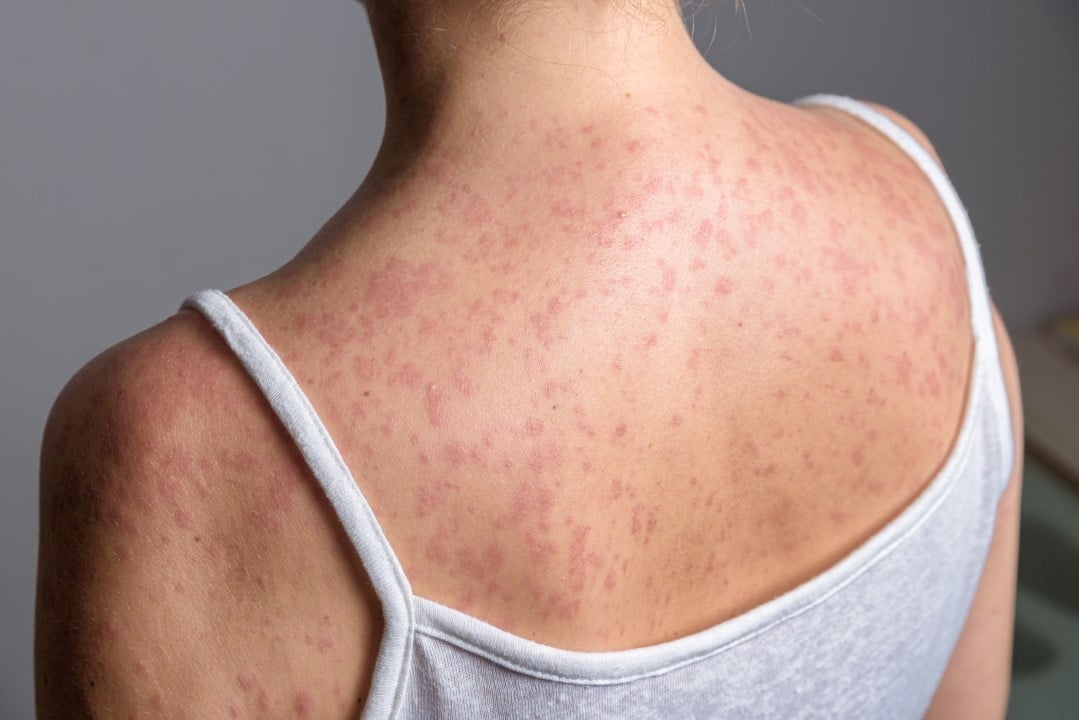
Initial symptoms include high fever and conjunctivitis, followed by skin rashes. Diagnóstico early via laboratory tests is essential. Organização Mundial of Saúde reports that the virus is eliminable with vaccination coverage above 95%, a goal that Japão seeks to achieve.
Isolation of confirmed cases lasts up to four days after the rash appears. Famílias receive guidance on hygiene and home quarantine. Essas strategies reduced incidences in previous years, but require collective adherence.
Public education via government media and websites reinforces the importance of immunization. Parcerias with transportation and retail companies facilitate quick alerts.
Global trends and comparisons
Globally, measles has seen declines in some regions, such as Europa and Ásia Central, with a 75% drop in 2025. However, 2026 sees increases in the US, with 982 cases as of February 19, 89% associated with outbreaks. Sete new outbreaks emerged during the year, affecting multiple states.
In Japão, the pattern reflects initial imports followed by local transmission. Estudos epidemiological tests from 2018-2019 in Osaka identified 105 index cases, with 72 secondary cases among 9,846 contacts. Fatores of risk include delays in vaccination and crowds.
Organizations like the WHO emphasize continued vigilance. Países with high mobility, like Japão, face challenges at international airports. Kansai International Airport registered a case in February 2025, involving a traveler from Aichi.
Comparisons show that regions with intense campaigns, such as parts of Europa, control the spread better. Japão adapts similar strategies, integrating public health data for predictions.
Guidance for vulnerable populations
Groups such as unvaccinated children and adults without a history of immunization should prioritize appointments. Em Osaka, health centers offer free tests for suspicions. Grávidas and immunosuppressed patients receive specific alerts, as complications can be serious.
Monitoring includes contact tracing via apps and notifications. Escolas and companies implement absence protocols for early symptoms. Essas actions aim to interrupt transmission chains before larger scales.
Risks in educational environments
An outbreak in Aichi affected an educational institution, with seven students confirmed as of February 19, 2026. Nenhum had recent travel, pointing to internal spread. Autoridades provincials warned school communities about mandatory vaccination.
In Osaka, similar cases in transport may impact commuting students. Medidas include verification of vaccination cards and information campaigns. Pais receive guides about symptoms and when to seek medical help.
Long-term containment strategies
The Japanese government invests in national immunization programs, aiming for universal coverage. Dados of 2025 shows reduction in regions affected by past outbreaks. Parcerias international partnerships with WHO provide vaccines and training for healthcare teams.
Genetic monitoring of the virus helps trace origins. Em Osaka, Instituto of Saúde analyzes samples to identify variants. Essas analytics support predictions and resource allocation.
Technology integration, such as digital alerts, speeds responses. Comunidades receive updates via official websites, promoting transparency.
Airport and travel alerts
Airports like Kansai have recorded cases in previous years, such as one traveler in February 2025. Medidas include thermal screening and vaccination stations. Passageiros international travelers must present proof of travel on risky routes.
Domestic travel between Osaka and Tóquio requires caution. Autoridades recommend masks on flights and high-speed trains. Esses protocols minimize viral imports.
