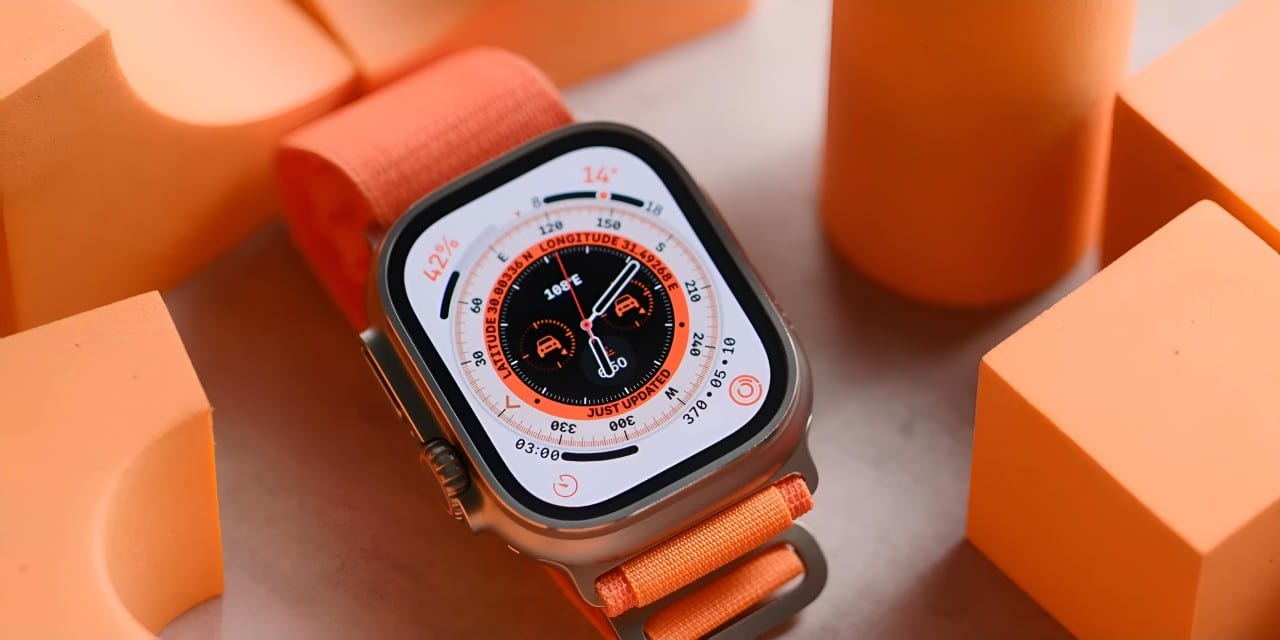
The search for wearable devices that operate in harmony with the Apple operating system has driven the electronics market this year. Fabricantes Asian companies have consolidated their product lines to offer stable integration, allowing notifications, calls and health data to be synchronized without the need to purchase the Californian brand’s proprietary watch. The current scenario presents alternatives ranging from R$279 to R$1,636, serving users who prioritize simplicity to those who need professional sports monitoring.
Consumers find these devices an effective way to avoid the high costs associated with official models, without sacrificing essential everyday features. The connection is established through dedicated applications available in the Apple online store, ensuring that the flow of information between the cell phone and the watch occurs without interruptions. The brands’ focus has been on prolonged battery life and the visual quality of the displays, critical points for the user experience.

The selection of devices available on the national market highlights recent launches that balance price and technical performance. Entre The most sought after features are detailed sleep tracking, water resistance for swimming and the ability to accurately track physical exercises. The diversity of models allows each consumer profile to find equipment suited to their specific routine and budget needs.
Performance and cost in entry models
For those looking to enter the world of smart wearables with a reduced initial investment, the Huawei Band 10 presents itself as a robust solution. The device, which hit the market in 2025, stands out for its lightness, weighing just 15 grams, and for its aluminum alloy construction that gives the chassis durability. Sua interface is displayed on a 1.47-inch AMOLED screen, optimized to respond quickly to touch commands.
Energy efficiency is one of the strengths of this entry-level model. The energy management system allows the bracelet to work for up to 14 days in economical mode, reducing dependence on sockets. Quando recharging is necessary, the complete process is completed in just 45 minutes. Health monitoring includes accurate identification of nighttime rest phases, offering detailed reports on sleep quality.
Competing directly in this segment, the Xiaomi Smart Band 10 offers features aimed at external visibility and sports practice, with a starting price of R$286. The 1.72-inch AMOLED panel has an intense brightness of 1,500 nits, ensuring clear reading of information even in direct sunlight. The band is equipped with running modes that provide real-time pace guidance.
The 5 ATM water resistance makes the Xiaomi device suitable for water sports and daily use without worries about splashes or rain. Além In addition, the device constantly measures blood oxygenation and stress levels. The 233 mAh battery supports up to 21 days of typical use, a significant milestone for the category, consolidating the model as one of the most complete options in its price range.
Location and communication features
Raising the bar on features, the Amazfit Bip 6 introduces smartphone independence for route tracking. The device incorporates GPS with offline map support, allowing runners and cyclists to record their routes accurately without carrying their cell phones. The 1.97-inch AMOLED screen impresses with 2,000 nits of brightness and has protection against fingerprint marks.
The power management of the Amazfit model is optimized to keep consumption low even with continuous use of location sensors. The 340 mAh battery ensures operation for up to two weeks under normal conditions of use. With support for more than 140 sports, the watch, which starts at R$549, positions itself as a versatile tool for amateur athletes.
The Redmi Watch 5 focuses on the communication experience and visual fluidity. Sua 2.07-inch wide display operates at a refresh rate of 60 Hz, providing smooth navigation through menus. The global positioning system uses multiple satellites to ensure fast and accurate location, complemented by a 550 mAh battery that extends autonomy for up to 24 days.
An important differentiator of this model is the ability to make calls via Bluetooth, using a dual microphone system with noise cancellation to improve voice clarity. The device, with a starting price of R$679, demonstrates sufficient resistance to withstand intense exercise for long periods, maintaining connectivity and active data recording.
Durability and autonomy in advanced devices
In the high-performance segment, the Huawei Watch Fit 4 is designed for users who require detailed health and sport metrics. The model has independent GPS and a 1.82-inch AMOLED screen with 2,000 nits brightness. Seu tracking system is capable of monitoring routes, including in water sports, offering accurate data on the athlete’s performance.
The fast charging technology is a highlight, where ten minutes in the socket guarantees a full day of use. The full battery offers seven days of typical runtime. The watch continuously monitors heart rate and oxygenation, in addition to having high certifications for resistance against dust and water, with prices starting at R$1,099.
The Huawei Watch GT 6 takes the lead when it comes to battery life, featuring a power cell of up to 867 mAh. Essa capacity allows the watch to work for 21 days in moderate mode, eliminating the need for frequent recharging. Available screens vary between 1.32 and 1.47 inches, reaching peak brightness of 3,000 nits.
The construction of the GT 6 is aimed at extreme environments, combining resistance to 5 ATM with IP69 certification, which protects against high pressure jets and high temperatures. Starting at R$1,636, the device is ideal for outdoor adventures, maintaining readability and active health tracking under any adverse conditions.
Screen analysis and energy efficiency
Comparison between the models reveals a clear evolution in display and battery technology. AMOLED screens have become standard, offering high brightness that adapts to different lighting conditions. The dimensions of the panels have grown progressively, starting from 1.47 inches in the entry-level versions until reaching 2.07 inches in the Redmi Watch 5, making notifications easier to read.
Autonomy varies depending on the proposal of each device, but all exceed the one week mark away from the socket. Enquanto compact bracelets prioritize efficiency to achieve up to 21 days of use, more robust watches use larger capacity batteries to support advanced features such as GPS and calls without compromising usage time.
– Huawei Band 10: 1.47 inch Tela and autonomy of up to 14 days.
– Xiaomi Smart Band 10: 1.72 inch Tela and autonomy of up to 21 days.
– Amazfit Bip 6: 1.97 inch Tela and autonomy of up to 14 days.
– Redmi Watch 5: 2.07 inch Tela and autonomy of up to 24 days.
– Huawei Fit 4: 1.82 inch Tela and autonomy of up to 7 days.
– Huawei GT 6: Tela of up to 1.47 inches and autonomy of up to 21 days.
Integration with the iPhone occurs smoothly through the official applications of each manufacturer, allowing music control and receiving alerts directly on the wrist. Water resistance and fast charging are common features that reinforce the practicality of these accessories in everyday life. With competitive prices and cutting-edge hardware, these alternatives are consolidated as smart choices for consumers in 2026.
