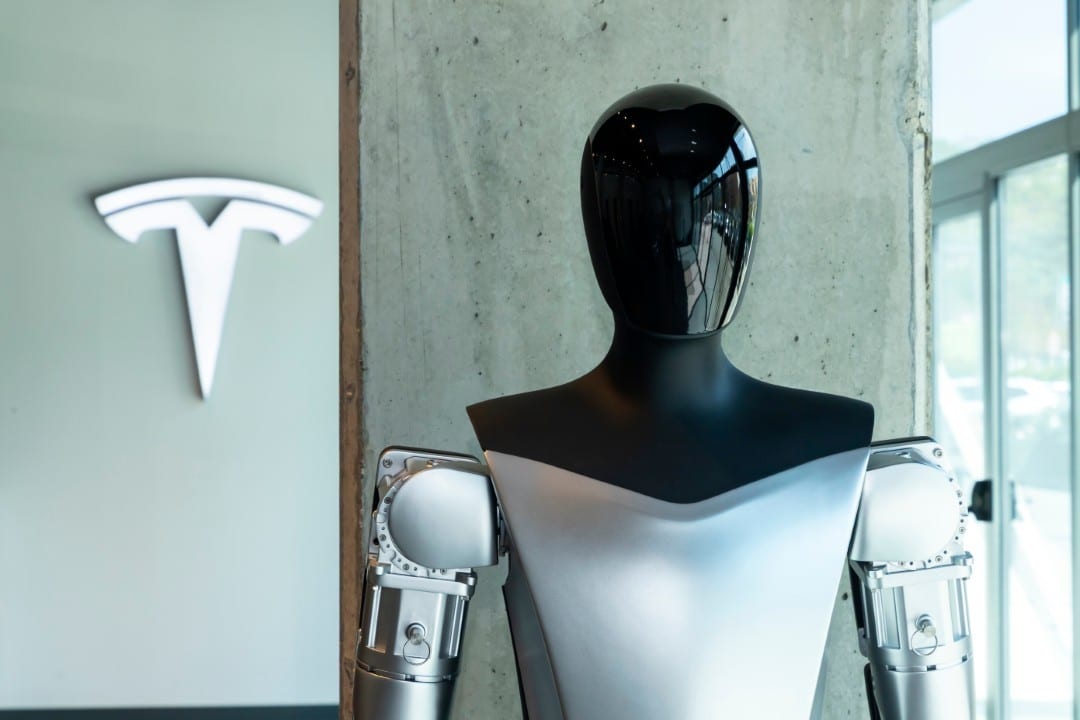
Investors at Tesla remained optimistic and boosted the company’s shares this Wednesday. The shares advanced 1.9% and closed at $417.33. The positive performance came even after harsh criticism of the potential of the Optimus humanoid robot.
Analyst Gordon Johnson, from GLJ Research, classified the opportunity represented by Optimus as an illusion. Ele attributed only a 15% to 20% probability of Tesla generating relevant revenue from robotics in the long term. Johnson reinforced that the market attributes almost certainty to the project’s success, which he defines as speculation.
- The unit cost of current prototypes is in the hundreds of thousands of dollars.
- Mass production requires a final price close to 20 thousand dollars per unit to enable global scale.
- The dedicated assembly line does not yet exist in commercial volume.
These factors explain the expert’s skepticism. Ele assesses that the fair value of Optimus would be between 50 billion and 80 billion dollars. The current price of Tesla embodies much higher expectations for the asset.
The trading session in Nova York registered movement in line with the technology sector. The S&P 500 rose 0.8% and the Dow Jones advanced 0.6%. The increase in Tesla occurred on the eve of the release of Nvidia results.
Criticism of the tesla robotics project
Johnson’s report brought to light technical and economic limitations of Optimus. Ele noted that existing robots still rely on remote operation in many cases. The transition to full autonomy requires advances that have not yet been proven at scale.
The company works to reduce costs but the road remains long. Johnson maintains a sell recommendation for Tesla’s shares. Seu target price of $25.28 contrasts with the $427 average calculated by other analysts.
Gordon Johnson Detailed Position
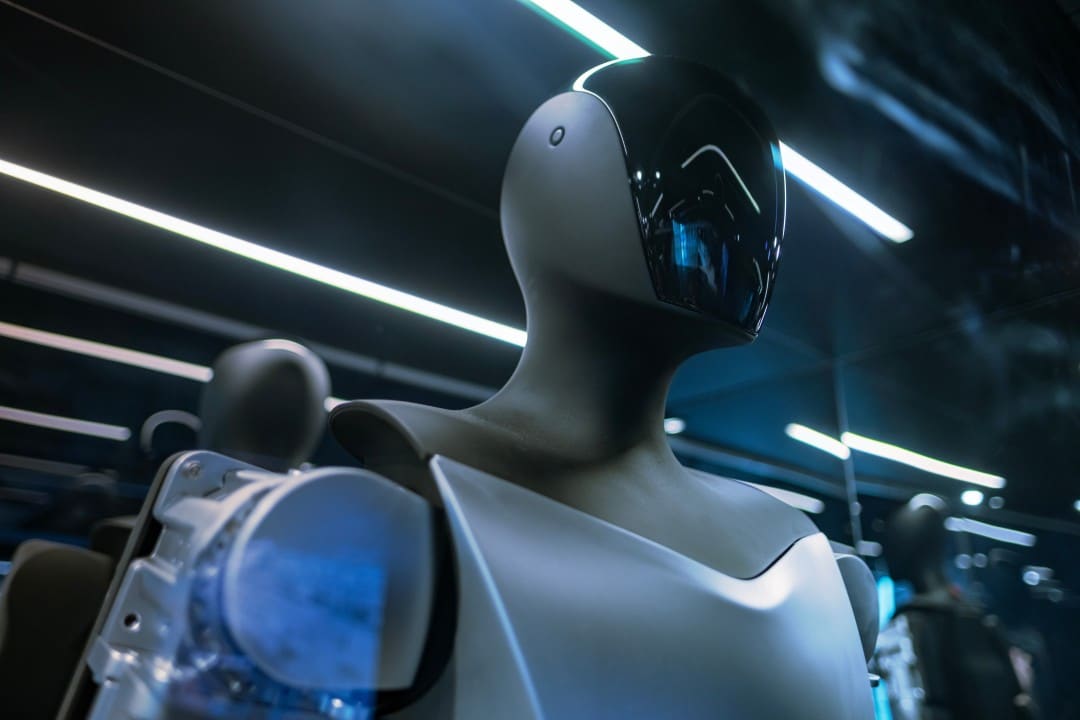
The expert highlighted that many investors treat Optimus with a probability close to 100%. Essa stance constitutes speculation according to your analysis. Johnson is known for conservative positions regarding the company over the years.
He calculates that the current valuation of Tesla attributes around 400 billion dollars to the robot alone. Esse number far exceeds your fair value estimate for the project. The difference helps explain the gap between its price target and the market consensus.
Johnson warns of the risk of frustration if the schedule is not met. The Tesla plans to introduce the third generation of the Optimus in the first half of the year. Esse event will be decisive in validating or questioning current expectations.
Immediate investor reaction to the report
Market participants absorbed the criticism without changing the direction of quotes. Tesla shares ended the day in positive territory. Esse behavior reflects consolidated trust in the company’s artificial intelligence ecosystem.
Trading volume remained above average throughout the session. Analistas attribute resilience to the focus on practical applications of physical AI. The increase occurred even with attention focused on other macroeconomic events of the day.
Many funds maintained or increased exposure to the stock. Optimism prevails around the company’s long-term vision. The reaction demonstrates that the market continues to price accelerated growth via robotics and autonomous vehicles.
Tesla production and expansion strategy
Tesla is converting assembly lines in Fremont, into Califórnia. Parte of the capacity previously dedicated to models S and X will now be directed to manufacturing robots. Essa relocation aims to prepare the industrial structure for larger volumes of Optimus.
The company plans to begin commercial production later this year. Executivos reinforce that the robot could become the company’s most relevant product in the future. Investimentos in automation and supply chain continue at an accelerated pace to reduce unit costs.
Launch and operation of taxi robots
Tesla opened its robo-taxi service in June in the city of Austin, in Texas, and the local operation serves as a real laboratory for autonomous driving technologies. The data collected in an urban environment helps to improve algorithms that will be shared with the Optimus project. Essa integration between platforms allows you to accelerate the development of common capabilities such as navigation and interaction with the physical environment. The initiative also validates the physical AI strategy before regulators and end users. The first positive results reinforce the narrative that the company can transform prototypes into viable commercial products. The gradual expansion of the service to other cities depends on local approvals but is already showing initial traction. Analistas closely monitor usage and security indicators to project future scalability. Experience accumulated with robotaxis can reduce risks in the Optimus schedule by sharing production and software lessons. In total, the launch represents the first concrete step of the vision announced by Elon Musk in previous years regarding robotics applied to everyday life.
Current valuation and future prospects of the company
Tesla has a market value of close to 1.8 trillion dollars including options for the main executive. The multiple of 206 times the estimated profit for 2026 reflects high bets on growth via artificial intelligence.
Expectations for the third generation of optimus
The presentation of version three of Optimus is scheduled for the next few months. The event should showcase advances in more fluid movements and greater autonomy. Investidores await demonstrations that confirm cost reduction and capacity for complex tasks.
The company allocated significant resources to research and development. Estimativas points to capital expenditures above 20 billion dollars in 2026. Esses investments aim to accelerate the learning curve of internal robotics.
Tesla is betting that Optimus can generate additional revenue for the electric vehicle business. The humanoid robot would be capable of performing repetitive tasks in factories and homes. The market follows each update to adjust revenue projections.
Technical challenges faced in developing optimus
Assembly at scale requires new engineering solutions. Componentes as actuators and sensors still present high costs. The company works with suppliers to optimize the production chain.
Testing in a controlled environment is continually advancing. Equipes internal focus on safety and precision of movements. Resultados partials are shared at public events to maintain transparency.
Artificial intelligence software evolves in parallel with hardware. Atualizações over-the-air performance may improve after unit delivery. Essa approach reduces the need for physical recalls.
Comparison with other robotics initiatives in the sector
Competitors also explore humanoid robots but at different paces. Tesla highlights vertical integration between hardware, software and fleet data. Essa built-in advantage can speed up iterations.
Other companies prioritize specific niches such as logistics or home assistance. The vision of Tesla encompasses broader applications in everyday life. The market still defines which models will prevail commercially.
Recent updates on Tesla’s internal timeline
Internal sources indicate that next-generation prototypes already perform simple tasks autonomously. Pilot production should begin soon in the adapted facilities. Executivos avoid exact dates but reinforce commitment to the original plan.
The company monitors cost indicators per unit monthly. Reduções are essential to achieve economic viability. Relatórios quarterly should provide more details on progress.
The focus remains on quality before scale. Cada iteration incorporates feedback from actual testing. Essa methodology minimizes risks of premature launch.
