An unidentified man has been the target of complaints for sending anonymous notes with sexual content to women and teenagers on public transport buses in Criciúma, in Sul of Santa Catarina. The incidents, which have been repeated for more than a year, involve messages stealthily placed in bags and backpacks, explicitly praising the victims’ feet.
The allegations have gained momentum on social media in recent days, with at least five confirmed victims, including two minors. Polícia Civil investigates the cases, and a police report has already been registered, although there is still no formal identification of the suspect.
Women report discomfort and insecurity when using public transport after receiving messages. Algumas victims stopped taking certain buses for fear of persecution.
- The messages follow a similar pattern, with identical handwriting and phrases such as compliments on “beautiful little feet” and wishes for physical contact.
- Victims describe the suspect as a light-skinned, strong man with a beard and wearing casual clothes.
- Transport companies direct immediate reports to drivers or authorities via emergency numbers.
- The police station specializing in the protection of women and adolescents monitors the reports to possibly open an investigation.
Details of reported incidents
The victims claim that the tickets were inserted without them noticing, often during journeys on lines that connect peripheral neighborhoods to the center of Criciúma. A 21-year-old woman reported receiving five messages in less than a year, which led her to change her daily routine. Ela initially thought it was a joke, but the repeated tenor of the phrases alerted her to a possible greater risk.
Other passengers, including 16-year-old teenagers, describe the same pattern of stealthy approaches. The messages, written on small pieces of paper, contain expressions that suggest specific sexual admiration for feet, which generated fear of exposure in public spaces.

Legal analysis of the case
Criminal lawyer Aline Marques assesses that the acts may constitute sexual harassment, a crime provided for in the Brazilian Código Penal since 2018. In the context of tickets, explicit content meets legal criteria for classification.
Furthermore, the fact that some victims receive repeated messages indicates a possible crime of persecution, known as stalking. Isso is configured when there is a repeated invasion of privacy, with monitoring of the routine of the affected people. The penalty for sexual harassment ranges from one to five years in prison, while stalking can result in imprisonment for six months to two years.
The presence of minors among the victims worsens the potential sentences. Autoridades recommend that those affected file police reports to strengthen investigations. Delegacia from Proteção to Criança, Adolescente, Mulher and Idoso from
Repercussion between victims and community
An anonymous passenger expressed fear when she reported that the tickets made her question her safety on night commutes. Ela lives in a remote area and depends on public transport to work, which intensified the psychological impact of the harassment.
Family members of affected teenagers also expressed concern about the girls’ vulnerability in public environments. A family member of a minor victim highlighted the need for greater vigilance on buses to prevent such occurrences.
Prevention measures in public transport
The companies responsible for transport in Criciúma, such as Consórcio CriBus and Grupo Forquilhinha, issued statements repudiating any form of harassment. Elas emphasize that the problem is not limited to physical contact, including insistent looks or invasive messages. Professionals are trained to identify and report suspicious situations to the competent bodies.
Passengers are advised to use immediate reporting channels, such as 190 on Polícia Militar or 181 on Polícia Civil. Campanhas employees promote awareness about women’s rights on public transport, aiming to reduce similar incidents.
Municipal initiatives in Santa Catarina, such as lighting programs at bus stops, also contribute to a greater sense of security. Estudos locations indicate that underreporting of harassment is common, which reinforces the importance of encouraging formal reporting.
National context of harassment in transportation
In Brasil, recent statistics reveal that 75% of women in the largest capitals have suffered some type of sexual harassment, with more than half of cases occurring in public spaces or public transport. Pesquisas of Instituto Cidades Sustentáveis and Ipec, carried out in 2025, indicate that streets, squares and buses are the places most cited by victims. In capitals such as São Paulo and Rio of Janeiro, the percentage reaches 81%, while in Belo Horizonte and Fortaleza it is 68%.
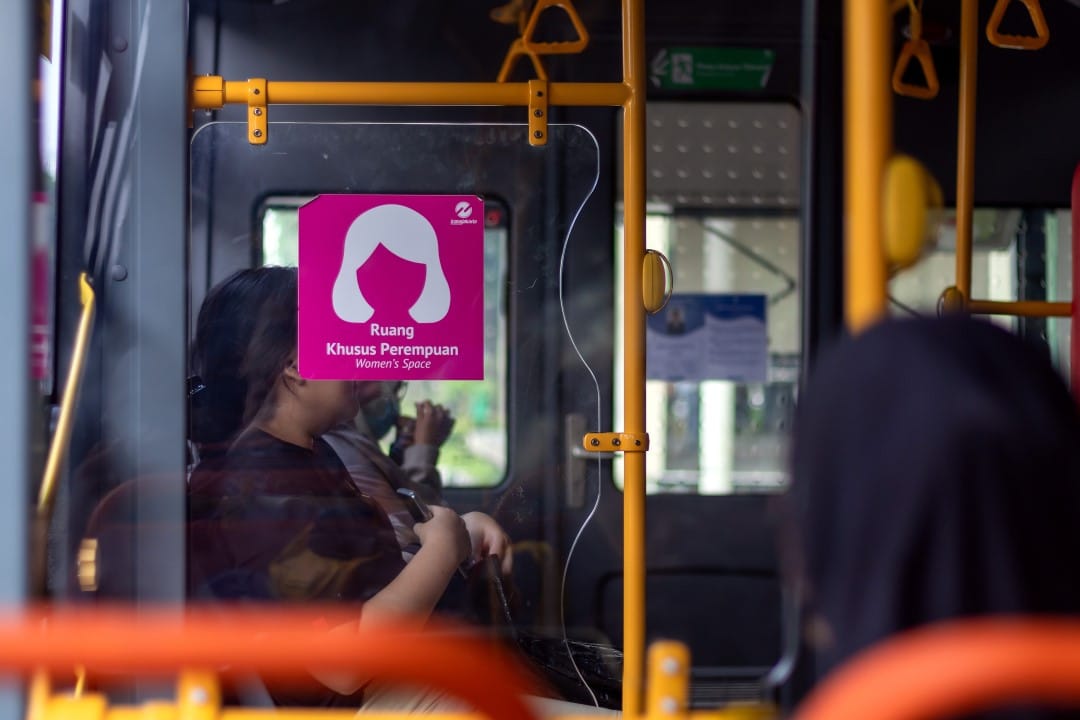
App and public transport accounts for 97% of reports of harassment among users, according to a study by Instituto Patrícia Galvão and Locomotiva. Esses data highlights the need for public policies to combat the problem, including driver training and installing cameras in vehicles. Em Santa Catarina, the increase in complaints in 2025 has led to actions such as exclusive carriages on some urban lines, although implementation is still limited.
Cases similar to Criciúma have occurred recently in other cities in the state. Em Florianópolis, a 38-year-old man was arrested in September 2025 for touching the leg of a 20-year-old woman on a public bus. Em Blumenau, a 16-year-old teenager suffered harassment in January 2026, with the collector alerting the police. Outro incident in the capital of Santa Catarina involved a passenger filming women’s private parts, resulting in arrest in the terminal.
These episodes illustrate a pattern of female vulnerability in transport, driving debates about stricter legislation. Especialistas defend the integration of data between civil and municipal police to map harassment hotspots and optimize patrols. Iniciativas how anonymous reporting applications have gained popularity, facilitating registration without exposing victims.
Police and investigative actions
Polícia Civil of Criciúma began preliminary investigations based on the registered bulletins. Agentes collect statements from victims to compare descriptions of the suspect and analyze possible security cameras in terminals. The handwriting on the notes serves as key evidence to link the incidents to a single perpetrator.
Cooperation with transport companies allows access to victims’ frequent schedules and routes, helping to identify patterns of behavior by the aggressor. Autoridades emphasize the importance of preserving tickets as material evidence for forensic examination.
Guidance for victims of harassment
Victims of sexual harassment should file a report immediately to preserve evidence and initiate legal proceedings. Boletins online facilitates the process, but visits to the specialized police station guarantee psychological support. Redes support services, such as women’s referral centers, offer free care in cases of emotional trauma.
- Contact hotline 180 for confidential guidance.
- Keep any materials related to the incident, such as messages or objects.
- Share experiences in support groups to strengthen the prevention network.
- Avoid direct confrontations and prioritize personal safety when alerting authorities.
Psychological impact on those affected
Repeated harassment can cause chronic anxiety and changes to victims’ daily routine. Psicólogos warn that unsolicited compliments with sexual content violate personal integrity, leading to feelings of vulnerability. In teenagers, the impact is even greater, affecting emotional development and confidence in public spaces. Programas mental health in Santa Catarina offer free therapy for victims of gender-based violence, helping with recovery.
