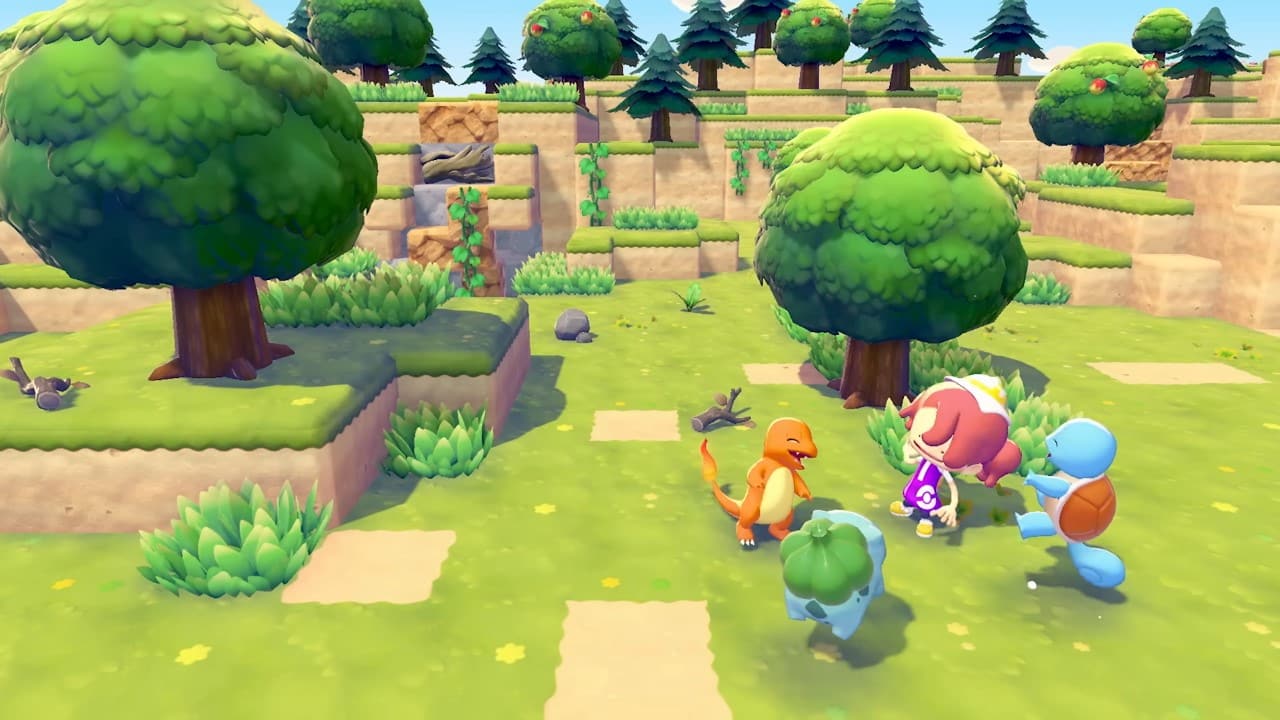
Nintendo confirmed the global launch of Pokémon Pokopia for March 5th, bringing an unprecedented simulation and management proposal exclusively for the highly anticipated Nintendo Switch 2. in a thriving ecological sanctuary.
The game bets on the trend of relaxing experiences, known as “cozy games”, integrating construction systems, decoration and daily routines with the charisma of pocket monsters. The main dynamic involves restoring degraded biomes to attract different wild species, creating a gameplay cycle that balances resource management with direct interaction with creatures.
- Detailed reconstruction of natural habitats from light points on the map.
- Attraction of specific Pokémon based on the quality and type of the restored environment.
- Use of monsters’ elemental abilities to speed up construction and tasks.
- Progressive expansion of the village with resources generated by daily missions.
The central role of Ditto in restoration
The choice of Ditto as the protagonist offers a different strategic layer, as the character alternates between his human form, necessary to handle complex tools, and his Pokémon nature. Essa duality allows the player to interact with the environment in creative ways, using transformation to overcome geographic obstacles or speed up cultivation processes that would be slow for an ordinary human.
During gameplay, interacting with other Pokémon unlocks cooperative mechanics essential to the village’s progress. Um Squirtle can be recruited to irrigate large plantations with its water jets, while an Charmander helps light furnaces and fireplaces, eliminating the frustration of repetitive tasks and maintaining focus on the evolution of the scenario.
Dynamic environment and exploration mechanics
Habitat construction is not just aesthetic, but serves as the main driver of the economy and biodiversity within Pokémon Pokopia. The map features “Luz Points” that indicate traces of ancient Pokémon routes, requiring the player to collect local materials such as rocks, water and specific flora to recreate the ideal living conditions for those species.
The system includes a randomness factor that encourages continued exploration, as seemingly identical habitats can attract different creatures depending on hidden variables. Preliminary Testes indicates that this biological diversity keeps the experience fresh, as the player needs to adapt their building strategy to complete the region’s Pokédex.
Village expansion and multiplayer mode
As new Pokémon decide to inhabit the region, the initial village evolves from a makeshift camp into a complex community with customizable structures. Rewards obtained through missions range from rare cosmetic items to advanced tools, financing architectural projects that reflect the player’s personality and the needs of new residents.
Multiplayer is designed to foster cooperation without the pressure of fierce competition, allowing friends to visit each other’s villages to help with big projects. The exchange of items and collaboration in construction accelerate the island’s development, reinforcing the social and relaxing aspect that defines the franchise’s new focus for 2026.
