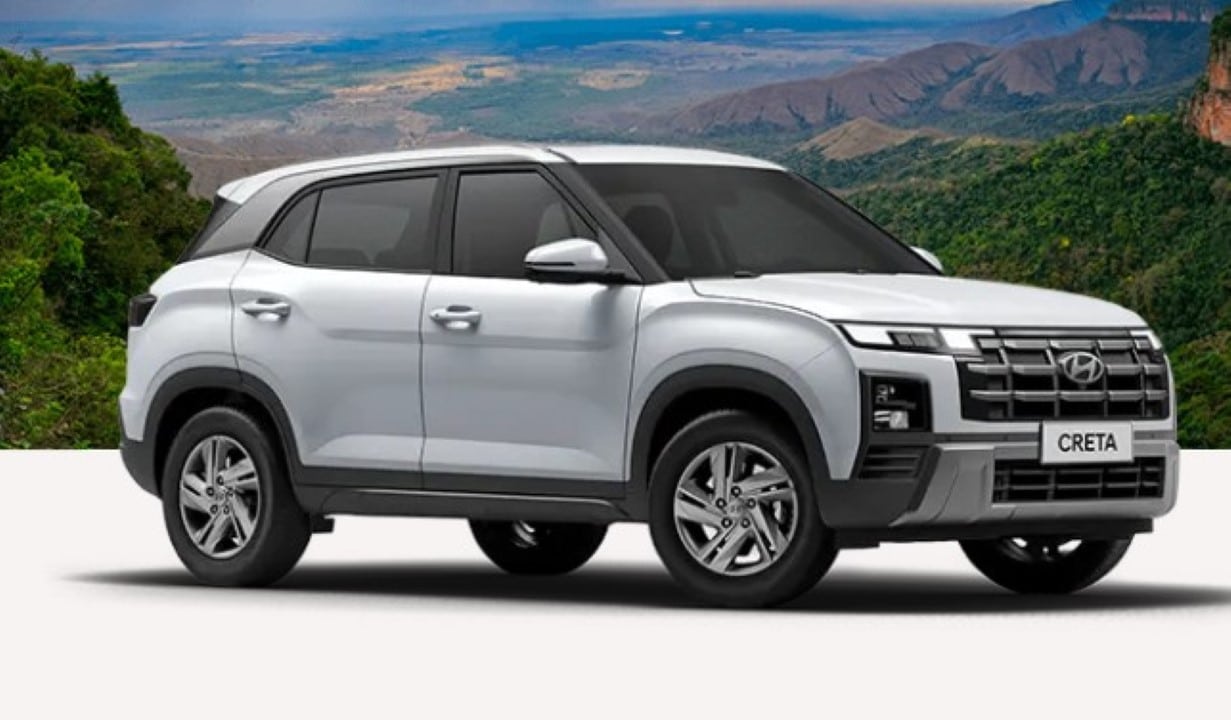
The Hyundai promoted a significant restructuring of the 2027 Creta line, its compact sports utility vehicle, with the introduction of the 1.6 turboflex engine. Essa strategic update aims to improve the vehicle’s performance and adapt it to the latest regulatory requirements in the automotive sector, marking a new chapter for the popular SUV on the market. The initiative reflects the automaker’s commitment to offering cutting-edge technology and efficiency to its consumers, without compromising the robustness and design that are already characteristic of the model. The changes go beyond mechanics, also covering the hierarchy and resources of some versions.
Among the most impactful new features, the N Line version takes over the top of the range, a move that redefines the positioning of the sports configuration within the Creta portfolio. Essa variant, previously equipped with a 1.0 turbo engine, now adopts the new 1.6 turboflex engine, promising a more dynamic and powerful driving experience. The Essa change not only raises the performance level of the N
The Ultimate version, which was previously offered exclusively with a gasoline engine, now also integrates dual-fuel technology, incorporating the same 1.6 turboflex engine. Essa adaptation expands the model’s versatility, providing drivers with the freedom to choose between gasoline and ethanol, which can result in savings and greater autonomy. The transition to the flex system in this version demonstrates the brand’s adaptability to market trends and consumer demands for more flexible vehicles in their fueling options.
New engine and the Mover program
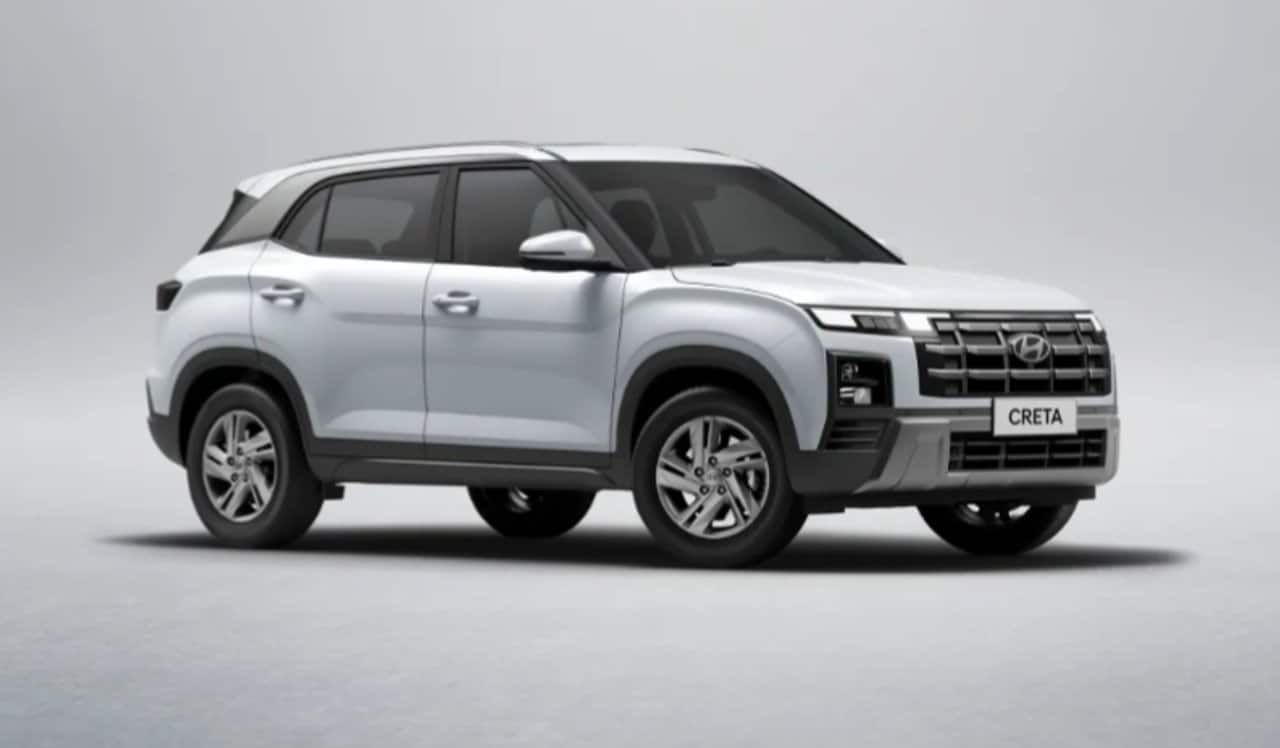
The 1.6 turboflex engine, one of the pillars of this update, underwent a detailed recalibration process to meet the standards established by Programa Mover. Este government program encourages the production of more efficient and less polluting vehicles, encouraging the automotive industry to invest in technologies that minimize environmental impact. The Hyundai, by tuning the new engine, demonstrates its compliance with the guidelines and its focus on sustainability.
The specific recalibration resulted in a power of 176 horsepower when fueled with gasoline and 173 horsepower with ethanol. Essa configuration represents an optimized balance between performance and efficiency, ensuring that the vehicle delivers the necessary strength for various conditions of use, while at the same time aligning with emissions standards. The engineering behind these numbers highlights the search for balanced performance, capable of satisfying both regulatory requirements and consumer expectations for a powerful and economical car.
Advances in Featured Versions
The N Line version, now at the top of the range, not only stands out for its new engine. Ela received a series of improvements that reinforce its sporting and technological character. Entre What’s new are the 18-inch wheels, which give the SUV a more robust and aggressive look, as well as contributing to better performance on different types of terrain. Essas aesthetic and functional modifications are designed to attract an audience that values both the aesthetics and functionality of the vehicle.
Additionally, the N Line incorporated the Smart driving mode, which adds to the existing Sport, Eco and Normal. Este new mode automatically adapts driving characteristics to the driver’s preferences and road conditions, optimizing the driving experience. The inclusion of intelligent technologies such as the Smart drive mode highlights the evolution of the Creta in terms of interactivity and personalization, allowing each journey to be adjusted for maximum comfort or best performance, depending on the needs of the moment.
Details of N Line and Ultimate configurations
The elevation of N Line to the most sophisticated configuration of Hyundai Creta is not a mere hierarchy adjustment. Ela symbolizes the automaker’s commitment to offering a version with a more pronounced aesthetic and dynamic appeal, capable of captivating consumers looking for an SUV with a striking identity. The exterior design of the N
The transition from the 1.0 turbo engine to the 1.6 turboflex in the N Line represents a qualitative leap in terms of performance. The new engine delivers a more vigorous response when accelerating and restarting, providing a more engaging and safe driving experience, especially when overtaking and on longer journeys. Essa change meets the demand for greater power in vehicles in this segment, without giving up fuel flexibility, consolidating the N Line as a reference in its market niche.
For the Ultimate version, the main novelty lies in the adoption of the 1.6 turboflex engine, which replaces the old exclusive gasoline configuration. Essa modification expands fueling options for owners, offering greater flexibility and potential savings, especially in regions where ethanol is more cost-effective. The Hyundai seeks to make the Ultimate version even more competitive and adapted to the different realities of consumers, without losing the character of luxury and sophistication that defines it.
Evolution of intermediate versions
While the top versions receive the new 1.6 turboflex engine, the intermediate and entry-level configurations of the Creta also received specific improvements. The Platinum version, for example, maintains the 1.0 turboflex engine, which is already recognized for its efficiency and good performance for urban and highway use. Este engine, with cutting-edge technology, continues to be a solid choice for those looking for a balance between performance and fuel economy on a daily basis.
One of the highlights for the Platinum is the new LED front light clusters. Essa update is not just aesthetic; LED lights provide clearer and more powerful lighting, improving nighttime visibility and contributing to safety. Além In addition, the modern design of the lights gives the vehicle a more sophisticated and contemporary appearance, aligning it with automotive design trends and enhancing the presence of the Creta on the streets. Aesthetics are a deciding factor for many consumers.
The Comfort and Limited versions, which serve as entry-level and intermediate options in the Creta line, maintain the 1.0 turboflex engine, ensuring the continuity of a robust and accessible offering. Esses models are designed to suit a broad spectrum of consumers, from those looking for a functional, well-equipped family SUV to those who value attractive design and essential technology features. The maintenance of these engines ensures that the line remains competitive at its respective price and performance levels.
The strategy of maintaining the 1.0 turboflex engine in entry-level and intermediate versions is crucial to preserving the Creta’s competitiveness in the compact SUV segment. Este engine, known for its energy efficiency and performance suitable for urban traffic, allows the Hyundai to offer more affordable options without compromising quality or the driving experience. The diversity of engines and versions ensures that consumers can choose the model that best suits their needs and budget, reinforcing the scope of the Creta line.
Price overview and strategic positioning
The new 2027 Hyundai Creta line features a competitive pricing structure, starting at R$156,590 for the Comfort 1.0 version. Essa pricing positions the entry-level model attractively in the segment, seeking to capture a significant share of the compact SUV market, which is characterized by intense competition between several automakers. The Hyundai seeks to offer a balanced package of equipment and performance from initial configurations, aiming to maximize cost-benefit for consumers.
At the other end of the range, the N Line 1.6 turboflex version reaches R$206,990, consolidating its status as the most complete and powerful SUV option. The intermediate options, Limited and Platinum, cost R$173,390 and R$188,990, respectively. The Ultimate version, equipped with the new 1.6 turboflex engine, is listed at R$201,590. Essa price scale reflects the variety of equipment, technologies and engines offered, allowing the consumer to find the ideal version that aligns with their preferences and purchasing power. Precision in defining values contributes to clarity in the product offering.
Compliance with environmental standards
Hyundai’s attention to environmental standards, especially with the Programa Mover, is a reflection of the automotive industry’s growing awareness of sustainability. The recalibration of the 1.6 turboflex engine demonstrates a continuous effort to reduce pollutant emissions and promote energy efficiency. Essa adaptation not only complies with legal requirements, but also positions the Creta as a more environmentally responsible vehicle, in line with the expectations of a public increasingly concerned about ecological issues. Technological innovation in the engine represents an important step towards a greener future.
The modifications implemented ensure that the Hyundai Creta of the 2027 line complies with the most stringent emission control guidelines, contributing to improving air quality in cities and preserving the environment. The development of cleaner engines is a global priority in the automotive industry, and Hyundai stands out by integrating these solutions into its best-selling models. Certification and compliance with standards are crucial points for the credibility and acceptance of the product on the market.
Resource innovation
The introduction of new technologies and features, such as the Smart driving mode in the N Line version, highlights Hyundai’s constant search for innovation and improvement of the user experience. The system allows the vehicle to automatically adapt its behavior to different driving scenarios, optimizing fuel consumption or prioritizing performance, as necessary. Essa onboard intelligence gives the Creta a competitive edge, making driving more intuitive and pleasurable, in addition to contributing to safety and comfort on board. Attention to technological details is a factor that drives customer satisfaction.
