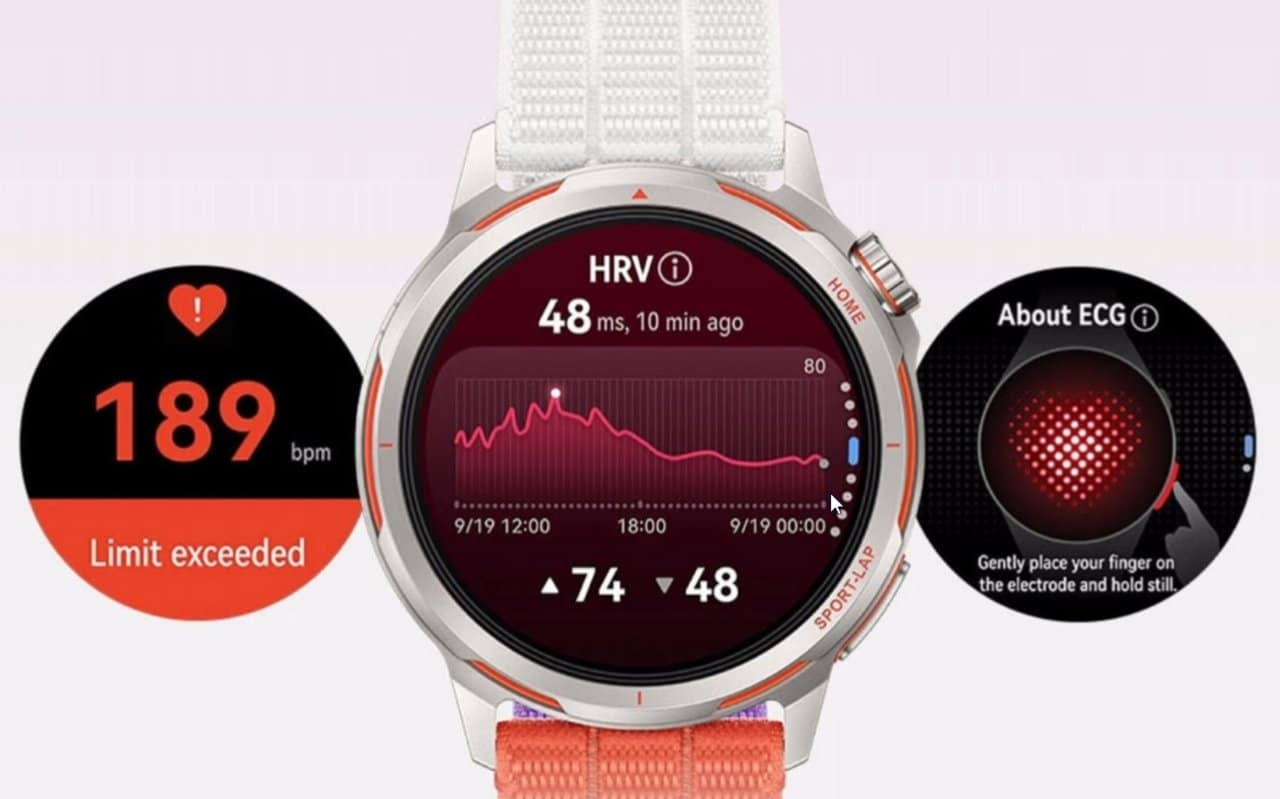
The technology giant presented on Madri a new device aimed specifically at the high-performance sports segment, promising to solve one of the biggest problems faced by athletes in large cities: location signal instability. The global launch highlighted the implementation of an unprecedented hardware architecture that repositions tracking sensors, aiming to ensure consistent metrics even in adverse scenarios, such as avenues surrounded by skyscrapers or densely wooded trails.
The focus of developing the new equipment was centered on the experience of professional and amateur users who need reliable data to improve their training. Engenheiros and designers worked together to create a chassis that not only houses state-of-the-art electronics, but also functions as an active tool in capturing satellite signals. The proposal is to eliminate gaps in route recording that often distort the calculation of average pace and total distance, crucial factors for those preparing for long-distance competitions.
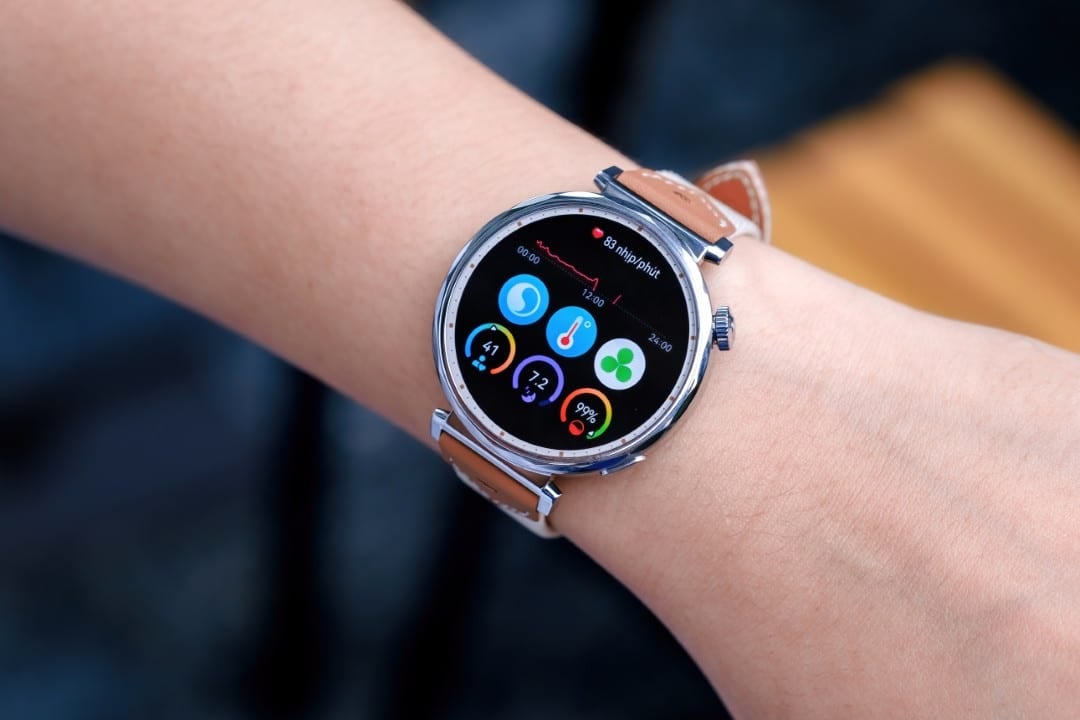
Experts present at the event in the Spanish capital were able to test the features in real time, observing how the software deals with environmental variations. The positive reception reinforces the brand’s strategy of consolidating its presence in the premium wearables market, competing directly with traditional brands in the sports world through proprietary innovations in hardware and physiological data processing algorithms.
The product design reflects a concern for ergonomics during intense physical effort. Materiais lightweight features were selected to minimize the impact on arm swings while running, while the visual interface was optimized for quick reading in strong sunlight. The combination of lightness, durability and visibility defines the company’s new guideline for its fitness accessories.
Revolution in positioning accuracy
The major technical innovation lies in the introduction of a floating 3D antenna, an engineering solution that changes the way the watch interacts with satellite networks. Diferente compared to conventional models, where the antenna is deeply embedded in the metal case, this new arrangement allows for more efficient exposure to external signals. Testes laboratories indicated a substantial improvement in capture, surpassing previous generations by up to 3.5 times in terms of connection stability.
To complement the hardware, a sophisticated inertial positioning algorithm was developed. Este system uses data from the accelerometer and gyroscope to “fill in” momentary GPS failures. Quando the athlete enters a tunnel or passes through a signal shadow area, the watch continues to trace the route based on the biomechanics of the movement, ensuring that the final training record does not present abrupt cuts or unrealistic straight lines that impair performance analysis.
Precision also extends to altimetry recording, vital data for trail runners and marathon runners who train on routes with varying terrain. The fine calibration of the sensors allows small changes in inclination to be identified, adjusting the equivalent effort calculation and providing a power metric that is more faithful to the reality of the terrain faced by the user.
Physiological monitoring and elite partnerships
The TruSense system represents a qualitative leap in reading vital signs, operating at a high sampling frequency to detect nuances in heart rate and blood oxygenation. The big new feature is the ability to estimate lactate threshold in real time, a feature that previously required invasive laboratory testing or complex field protocols. With this information on the wrist, the athlete can identify the exact point where aerobic effort becomes anaerobic, adjusting the intensity to avoid early fatigue.
Collaboration with icons of the sport, including record holder Eliud Kipchoge, was instrumental in refining the “Maratona Inteligente Mode.” The pace, hydration and nutrition guidelines that the watch suggests during a long race are not generic; they are based on protocols used by the world’s elite, adapted for the physical conditioning of the common user. The device acts almost like a digital trainer, vibrating to alert you to the need for carbohydrate or water intake based on calorie expenditure and estimated sweat rate.
Additionally, post-workout recovery analysis has been improved. The algorithm crosses data on heart rate variability (HRV), sleep quality and accumulated stress to suggest the ideal rest time. Isso prevents overtraining, one of the most common causes of injuries in enthusiastic runners who increase their training volume without adequate physiological rest.
Rugged construction and crystal clear viewing
Durability was ensured by the use of titanium in the construction of the watch body, providing resistance to impacts and sweat corrosion, keeping the weight at just 34.5 grams. The reduced thickness of 10.7 mm facilitates continuous use, including while sleeping, without causing discomfort. The 1.32-inch AMOLED screen is another highlight, reaching a peak brightness of 3,000 nits, which guarantees perfect readability even under the midday sun, eliminating the need to shade your hand to read the partials.
The glass used, called second generation Kunlun Glass, offers superior protection against scratches and accidental falls, common in trail environments or intense daily use. The bracelets, designed with AirDry technology, have ventilation channels that facilitate the evaporation of sweat, preventing skin irritation during long exercise sessions.
The user interface has been redesigned to provide quick access to the most important metrics. Customizable Mostradores allow the runner to choose to view only pace, distance and heart rate with enlarged fonts, making it easier to read in fast motion when visual stability is compromised by body sway.
Power and charging autonomy
The implementation of a 540 mAh silicon-carbon battery enabled a remarkable balance between physical size and energy capacity. The device promises up to 14 days of use in mixed scenarios, reducing battery anxiety common in smartwatches with high-resolution screens. For ultrarunners, the high-precision GPS mode supports up to 32 hours of continuous tracking, easily covering the duration of most endurance races.
The power management system acts intelligently, turning off non-essential sensors when the watch detects inactivity or during periods of sleep, maximizing efficiency. Fast charging is another strong point, allowing just a few minutes on the magnetic base to provide enough energy for a full workout, ideal for users who forget to charge the device the night before.
Field tests demonstrated that, even with the screen brightness at maximum and notifications activated, battery degradation follows a predictable curve, without abrupt drops in percentage that could leave the athlete holding back in the final kilometers of an important race.
Connectivity and integrated ecosystem
The versatility of the new model extends to its ability to integrate with Android and iOS smartphones. Data synchronization is fluid, allowing collected metrics to be exported to popular third-party platforms, making it easy to share with coaches and sports communities. NFC support enables contactless payments, a convenience for runners who prefer to go out without a wallet or cell phone.
The watch also functions as a basic communications hub, allowing you to answer calls via Bluetooth through the built-in speaker and microphone. Essa functionality is useful for emergency situations or for brief communications during training without having to interrupt the activity to look for the phone.
Data analytics in the proprietary app provides a holistic view of health by correlating sports performance with indicators of overall well-being. The user can view long-term trend graphs, identifying improvements in cardiovascular fitness and sleep efficiency over the weeks of training.
Security and health features
In addition to focusing on performance, the device incorporates essential security features. Detection of cardiac arrhythmias via ECG and continuous monitoring of SpO2 (oxygen saturation) act as an early warning system for potential health problems. At high altitudes, oxygen monitoring becomes critical, and the watch provides automatic warnings if levels fall below recommended levels.
Water resistance of up to 40 meters allows the watch to be used during swimming training or in torrential rain without risk of damage to internal components. The housing and seals design has been pressure tested to ensure the integrity of the device is maintained even after years of use in wet conditions.
Stress monitoring uses heart rate variability to indicate times of the day when the user should perform guided breathing exercises, also available directly on the wrist. Essa comprehensive approach aims not only to improve running time, but to promote a more balanced and healthy lifestyle.
Availability and customization
The launch hits the market with several aesthetic customization options. The available colors include sober variants such as black and more vibrant options such as blue and orange, catering to different consumer profiles. The ease of changing straps allows the watch to transition between a sporty look for training and a more casual look for the work environment.
The company has assured that the product will be supported by constant firmware updates, promising to add new sport modes and refine existing algorithms based on feedback from the user community. The sales package includes, in addition to the watch and charger, quick guides that help with initial configuration and understanding the advanced metrics offered by the system.
With a global assistance and support network, the brand seeks to convey confidence to consumers who invest in high-value-added equipment. The distribution strategy addresses key markets in Europa, Ásia and Américas, positioning the new model as an accessible reference of cutting-edge technology for the modern corridor.
