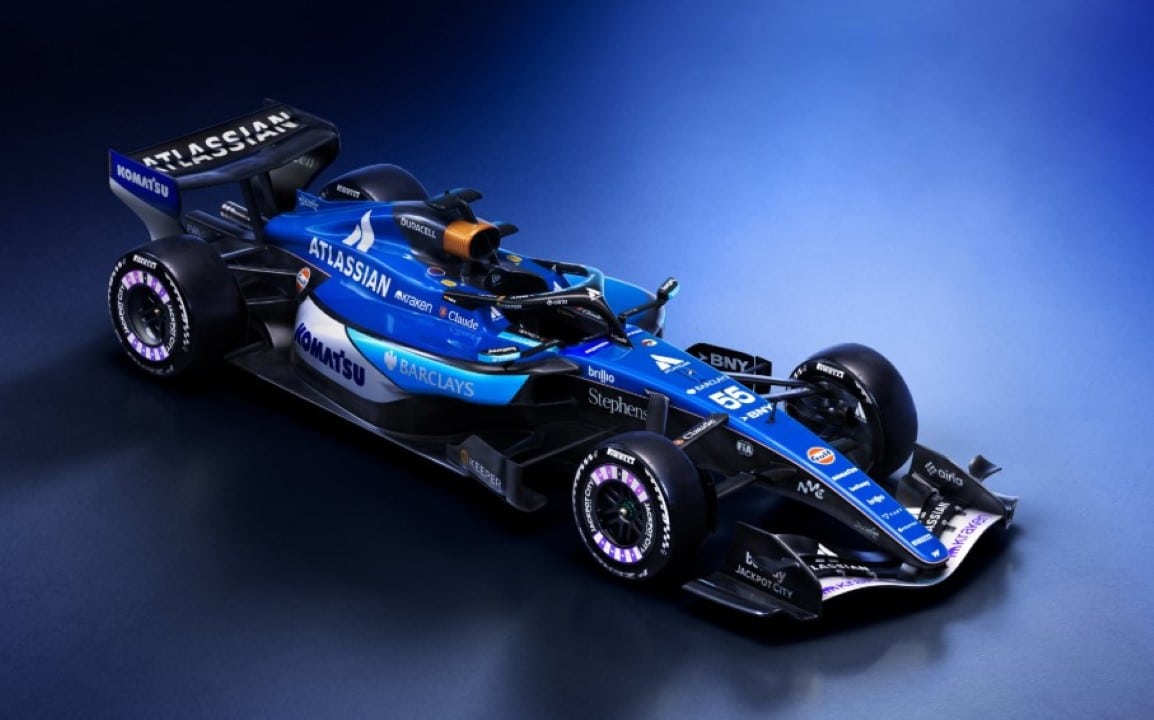
The British driver The young talent, who was looking to demonstrate his skills and adaptation to the car on one of the most challenging circuits in the world, faced extremely adverse weather conditions that resulted in a significant accident. The episode highlights the risks inherent in motor sport, especially when the weather imposes additional barriers to competitors’ performance.
During the session, the track had considerable water accumulation, creating a favorable scenario for hydroplaning. Browning, in an attempt to find the equipment limit and set competitive times, lost control of the vehicle. The car left the ideal trajectory, resulting in a rollover that frightened the team and spectators present at the race track. Apesar of the visual severity of the incident, the safety protocols worked as expected, avoiding physical consequences for the driver.
ウィリアムズF1のリザーブドライバー、ルーク・ブラウニングは、スーパーフ記事をダウンロード
ブラウニングは危険な状況でスピンし、あまりにも強い力でバリアに衝突反対側に着地した.
若い人イギリスは…pic.twitter.com/ruGAhtSNmd
—スポーツモーターマガジン (@Motor_Sport)2026年2月25日
Climate challenges and the effectiveness of security systems
The dynamics of the accident were dictated by the sudden loss of grip, a common phenomenon in test sessions carried out in heavy rain. Quando the tires lose direct contact with the asphalt due to the sheet of water, driving becomes null in fractions of a second. In the case of Browning, this loss of control led the single-seater to roll over, a situation that historically represented fatal risks, but which is now mitigated by robust technological advances in chassis construction.
The Halo device, together with the reinforced survival cell, played a crucial role in protecting the pilot’s physical integrity. The car stopped before hitting the protective barriers in a way that compromised the internal structure of the cockpit, ensuring that the driver would not suffer direct impacts against the ground or debris. Browning managed to get out of the vehicle by his own means, without immediate external assistance, confirming that, despite the scare and material damage to the car, he emerged unharmed from the incident.
Impact on testing schedule and lessons for the future
The accident had immediate consequences for the Browning testing program at Super Formula. Antes after the collision, the British driver was in the process of adapting and had not yet recorded a representative fast lap that would place him in the top five on the timesheets, a common goal for drivers looking to impress in access categories. The abrupt interruption prevented the collection of additional data and continued development of the car’s set-up for wet track conditions.
Williams and the team responsible for the car at Super Formula see the episode as part of the learning curve. The incident is not seen as a closure of opportunities, but rather as a tough experience that contributes to the driver’s maturation. Telemetry analysis and understanding the exact point where grip was lost will serve as a basis for the technical improvement of Browning. The focus now turns to rebuilding confidence and mentally preparing for upcoming challenges, keeping the goal of reaching Fórmula 1 on the horizon.
