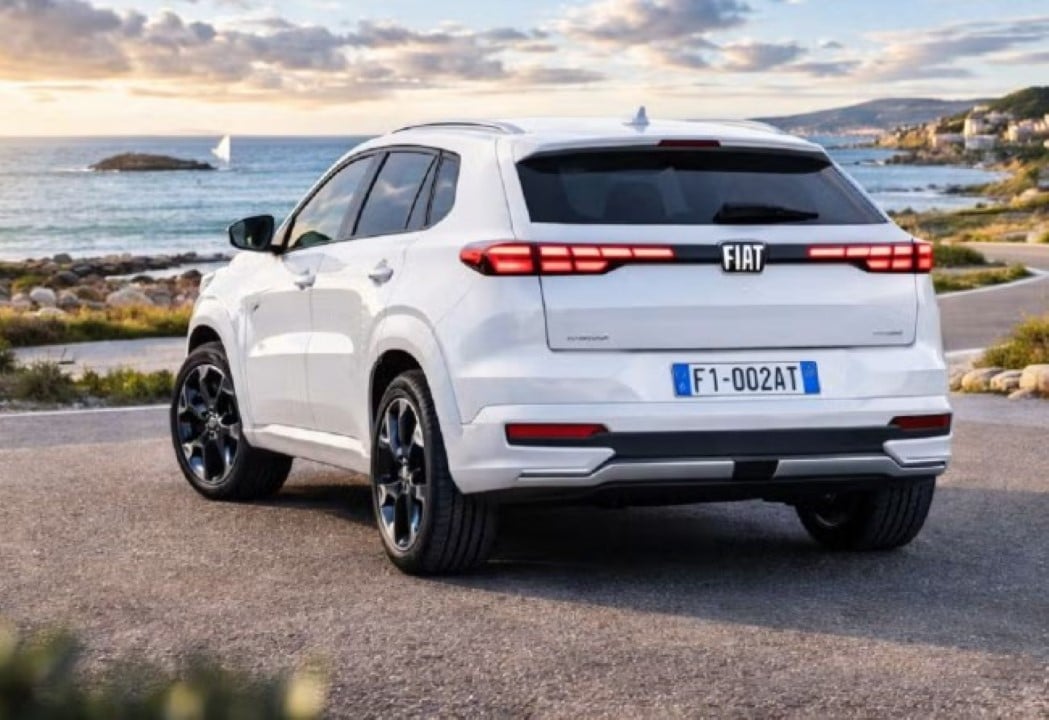
The Italian automaker is advancing in the development of its next global vehicle aimed at the family segment, with a priority focus on versatility and cost-benefit. The project aims to deliver an affordable mobility solution, capable of transporting up to seven passengers, without compromising the budget of families looking for extra space and functionality in daily use.
This initiative is part of a broader strategy to transform competition in the commercial vehicle sector. The central objective is to balance cost efficiency with maximizing internal space, offering a product that replaces the fleet’s current options with more robust and modern alternatives.

Industrial synergy and intelligent platform
To make this launch possible, engineering uses the “Smart Car” architecture, a modular base that already supports the most recent models of the Citroën and Opel. Sharing components within the automotive group allows for a drastic reduction in development and manufacturing costs, resulting in a more attractive final price for the consumer.
Using this platform not only guarantees savings, but also access to proven safety technologies and chassis systems. The structure was designed to be flexible, adapting to different market demands and allowing the brand to offer a vehicle with high durability and simplified maintenance.
Design focused on functionality
Aesthetically, the new sports utility vehicle adopts straight lines and a quadrangular silhouette, moving away from traditional rounded profiles. Esta design choice is not just visual, but purely functional, allowing the cabin to offer superior internal volume.
The vertical rear and high roof are essential to comfortably accommodate the third row of seats. The internal configuration is modular, facilitating the transport of bulky loads or the movement of up to seven occupants, meeting the needs of large families or executive transport.
Visually, the model must incorporate pixelated LED light signatures, bringing a modern identity that refers to the brand’s futuristic concepts, while maintaining the simplicity of materials that favor robustness.
Energy efficiency and engine options
The mechanical package was selected to offer the best balance between performance and fuel economy. The combustion versions will feature 48-volt mild hybrid technology (MHEV), which helps the engine start and restart, reducing emissions and consumption without the need for external charging.
In addition to the hybrid option, the project includes a fully electric variant equipped with lithium iron phosphate (LFP) batteries. Esta battery chemistry is specifically chosen for its long lifespan and lower production cost than conventional lithium-ion batteries, making electrification more affordable.
With these specifications, the manufacturer intends to directly challenge the brands that dominate the entry-level segment, offering a car that combines the autonomy of thermal engines with the efficiency of electrification, prepared for urban and highway demands.
