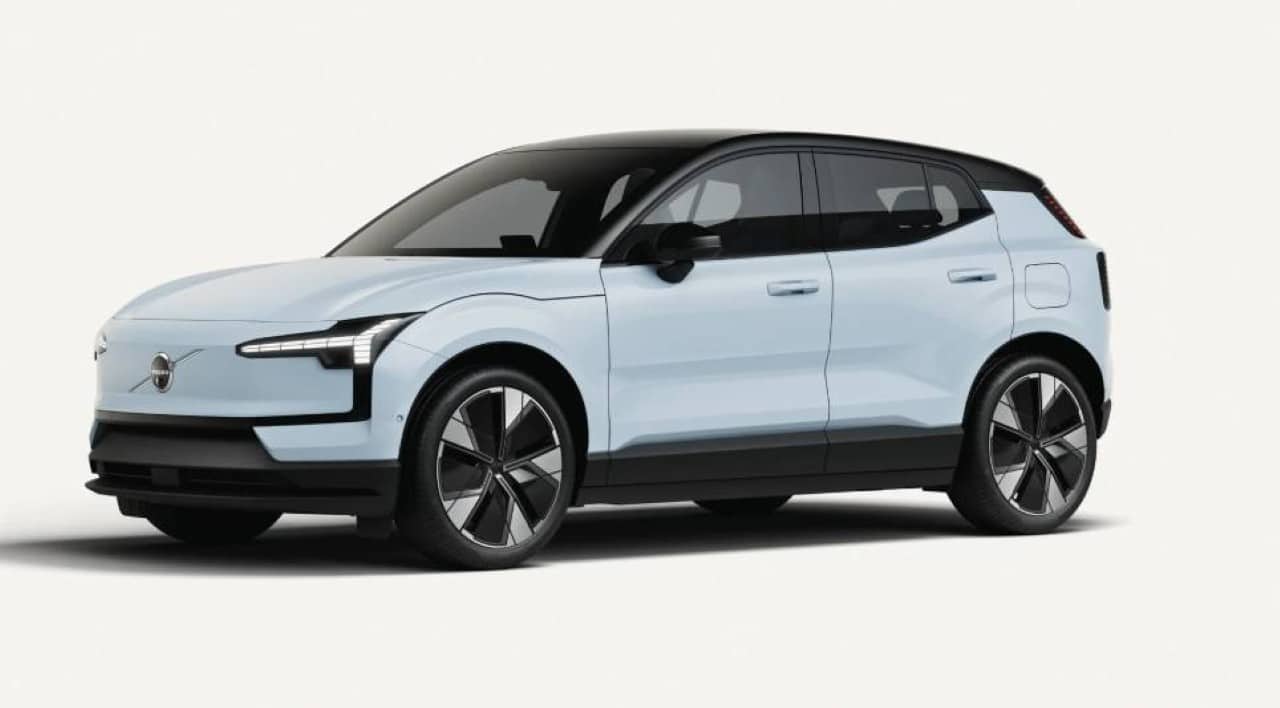
Volvo Cars officially presented a strategic restructuring for the EX30 electric compact SUV line, introducing technical specifications aimed at urban efficiency and versatility of use. The announcement, made during a global virtual event by the Swedish automaker, confirmed the arrival of a new entry-level engine and features that expand the vehicle’s usefulness beyond passenger transport. The new features will initially be available in selected markets and will reach current owners through remote updates.
The main focus of this update is to democratize access to the premium electric segment, offering a configuration that balances performance and cost-benefit. The introduction of power management technologies reflects the industry’s trend toward transforming automobiles into mobile electrical hubs. With software improvements expected to be implemented via over-the-air (OTA) in the summer of the northern hemisphere, the brand reinforces its commitment to the longevity of products already in circulation.
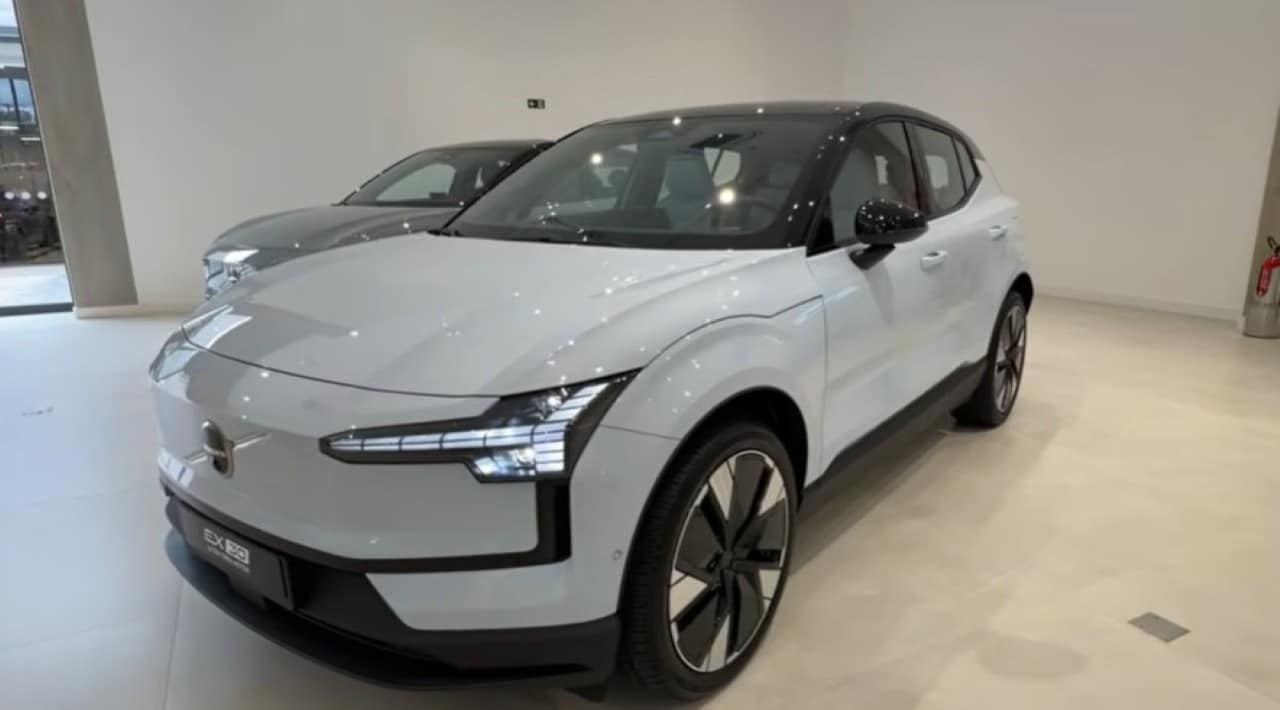
Automotive sector experts believe that these changes position the model more competitively given the growing demand for sustainable vehicles in large cities. The strategy ranges from mechanics to user experience, consolidating electrification as the company’s central pillar for 2026.
New engine prioritizes efficiency in the urban cycle
The entry-level version of the sports utility vehicle now has a 110 kW rear electric motor, equivalent to 150 horsepower, coupled to a 51 kWh battery. Este conjunto mecânico foi desenvolvido especificamente para atender condutores que realizam trajetos diários predominantemente urbanos, onde a autonomia extrema é menos crítica do que a eficiência energética. The estimated autonomy in the WLTP cycle is 339 kilometers, enough to cover the weekly routine of most drivers without the need for constant recharging.
For consumers who need greater road range, the automaker maintains options equipped with a 69 kWh battery in its portfolio. In Nestas configurations, the vehicle has up to 476 kilometers of autonomy, ensuring flexibility for medium and long-distance trips. The diversification of battery options allows the customer to choose the vehicle that best adapts to their usage profile, avoiding unnecessary costs with energy storage capacities that would not be used on a daily basis.
Initial performance tests indicate that, even with the reduction in power in the entry-level version compared to the 428 hp Twin Motor Performance models, the characteristic agility of electric vehicles was preserved. The immediate torque guarantees safe starts and efficient overtaking in urban traffic, maintaining the drivability standard expected from a vehicle from the Scandinavian brand.
Technology transforms vehicle into mobile energy source
One of the most anticipated innovations is the introduction of the Vehicle-to-Load (V2L) functionality, which allows you to use the energy stored in the car’s battery to power external devices. Using a specific adapter, sold as an accessory, the system can supply electricity to equipment such as electric bicycles, work tools or camping items. The feature transforms the car into a high-capacity “power bank”, ideal for outdoor activities or emergency situations where there is no electrical network available.
The implementation of V2L follows strict security protocols to ensure that the use of the function does not compromise the vehicle’s mobility. The system has intelligent management that monitors the battery charge level, interrupting the external supply if the energy reaches a pre-established minimum limit to ensure the driver returns to his destination. Proprietários of EX30 models already purchased will also be able to take advantage of this technology, as software activation will be available free of charge via remote update.
The movement aligns the model with global trends of bidirectional electrification, where the car stops being just an energy consumer and becomes an active part of the electric ecosystem. The functionality significantly expands the SUV’s value proposition, attracting an audience that seeks versatility and technological integration in their durable consumer goods.
Interface updates and sustainable design
The user experience inside the cabin has received special attention with the redesign of the 12.3-inch infotainment system interface. The new customizable content bar makes essential controls easier to access, while predictive features automatically adjust climate and multimedia based on the driver’s habits. The objective is to reduce distractions behind the wheel, making interaction with the vehicle more intuitive and safe, taking into account feedback collected from first owners.
In terms of aesthetics and environment, Volvo introduced the “Harvest” interior option, inspired by the end of summer nights at Escandinávia. Esta configuration uses recycled PET bottle materials in the seats, combined with Dark Flax finishes and black roof, creating a welcoming and environmentally friendly atmosphere. The “Black” alternative, with deep tones and contrasting stitching, complements the options for those who prefer a more sober and sporty look.
Software updates are not just limited to aesthetics or convenience, but also incorporate energy efficiency alerts that help the driver maximize range in different traffic conditions. Improved integration with virtual assistants and more fluid navigation complete the package of digital improvements, which will be installed automatically without the need for visits to dealerships, reducing costs and maintenance time for the end user.
Expansion of the Cross Country line and impact on the market
The Cross Country variant of the EX30, aimed at mixed use and light adventures, now gains the “Plus” trim level equipped with the most efficient single engine. Esta configuration maintains off-road robustness, with raised suspension and additional body protection, but optimizes energy consumption for those who do not need full-time four-wheel drive. The version is positioned as a balanced choice for families looking for a vehicle capable of tackling uneven roads without sacrificing savings.
Market data suggests that the introduction of more affordable and versatile versions should accelerate the adoption of electric vehicles in the premium segment. Volvo’s strategy of offering constant and free updates is seen as an important differentiator for customer loyalty, contrasting with business models that charge for each new functionality released via software. The expectation is that these innovations will increase the brand’s share in strategic regions throughout 2026.
