
Sony Interactive Entertainment deeply reevaluates its presence in the computer market with a new guideline that promises to impact access to its main narrative franchises. Relatórios behind-the-scenes footage indicates that the Japanese company plans to stop the trend of porting its big story-focused hits to other platforms, keeping these productions restricted to the PlayStation ecosystem. The measure aims to strengthen the brand’s identity and recover the sales appeal of proprietary hardware, which would have lost strength with the previous distribution policy.
Strategic division between genders
The new commercial logic designed by the company establishes a rigid boundary based on the engagement model offered to the consumer. Live service Títulos, known as “Games as a Service” (GaaS), will continue to come to computers, often with simultaneous releases, as they rely on massive player bases to sustain their internal economies. The success of operations that unite different communities serves as a technical and financial justification for keeping this window open for specific products.
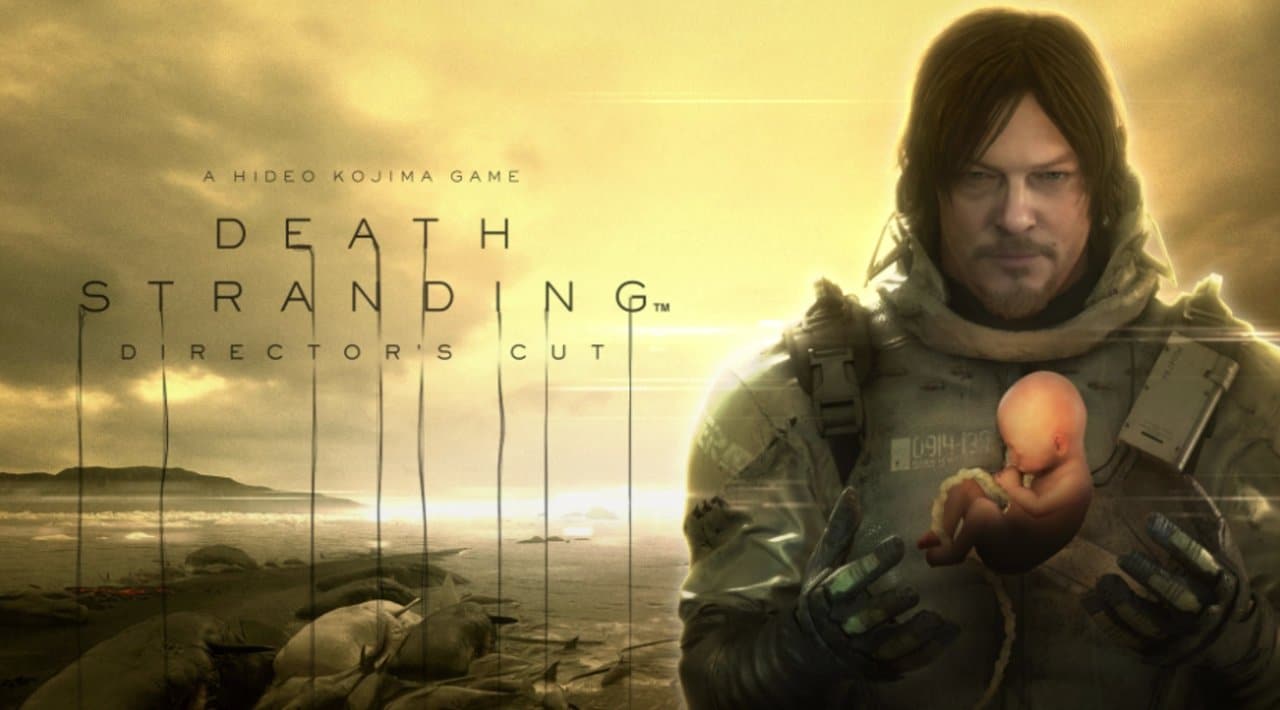
In contrast, single-player cinematic experiences must follow a path of absolute exclusivity. Executive analysis suggests that the availability of these games outside of the console, even if it occurs years after the original release, significantly reduces the incentive to purchase the device. By shielding renowned franchises, the corporation hopes to reverse the expectation that all content will eventually reach the PC.
This bifurcation allows the company to act on two fronts without compromising the integrity of its main product. Enquanto multiplayer games generate recurring revenue among a wide audience, “single-player” narratives once again function as anchors of prestige, designed to sell consoles and retain user loyalty to the closed ecosystem.
Technical optimization and future releases
The development of *Marvel’s Wolverine* by Insomniac Games illustrates this change in philosophy, with the team focusing resources exclusively on the console’s architecture. By eliminating the need to adapt code to different computer hardware configurations, engineers are able to extract maximum performance from the system, ensuring zero load times and creative use of peripherals. Essa technical exclusivity not only improves the final product, but serves as a decisive argument for transitioning consumers to future generations of hardware.
The ecosystem isolation strategy brings direct benefits to the development cycle and the perception of brand value:
– Redução of bugs and compatibility issues at launch due to unique hardware.
– Maior creative freedom to use exclusive machine resources without external limitations.
– Aumento of the desire to purchase the console on the part of high-fidelity visual enthusiasts.
Internal projects and sequels to acclaimed franchises seem to follow the same focused development protocol. The message to the market reinforces that, to experience these stories with the optimization designed by the creators, the console will be the only way available.
Data analysis and financial return
Recent sales data has demonstrated that the financial return on desktop conversions does not always justify the investment of time and human resources required. The board noted that the constant presence in third-party digital stores was turning PlayStation into just another software publisher, weakening the perceived value of its exclusive environment. The opportunity cost of performing high-quality *ports* also weighed on the decision to reallocate efforts.
The central objective becomes the conversion of the PC gamer into a console owner. By making acclaimed franchises inaccessible on other platforms, the company hopes to capture not just the one-time sale of the software, but the entire user spending cycle on subscription services and accessories over the life of the device.
