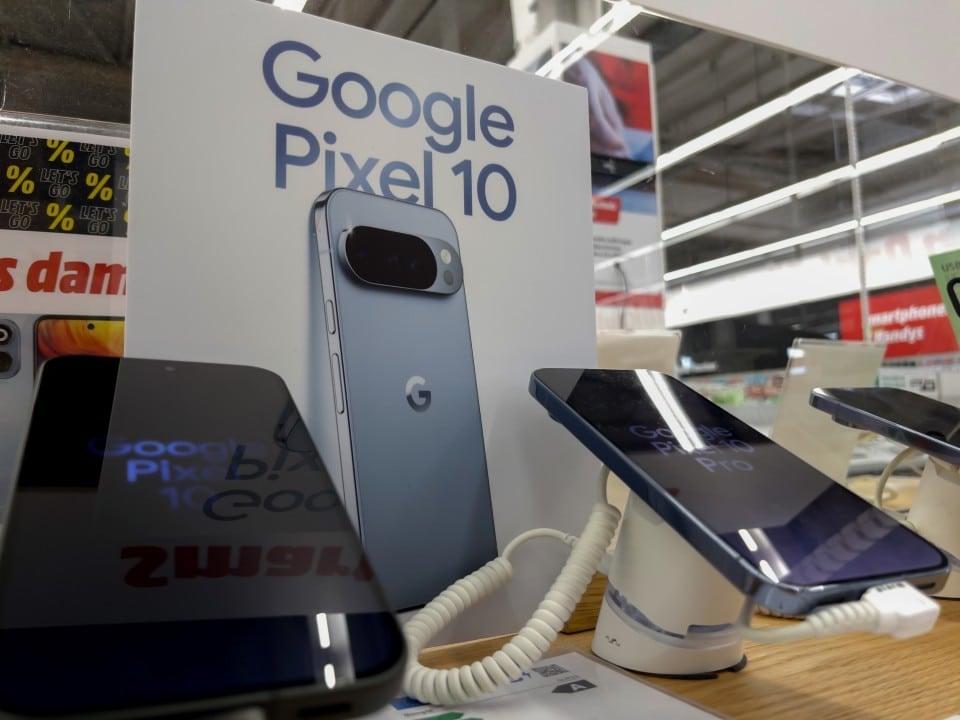
The mid-range smartphone segment is going through a phase of accelerated transformation, driven by the arrival of devices that challenge price and performance conventions. Enquanto o Google sets the stage for the Pixel 10a, the company’s strategy of maintaining conservative specifications generated an immediate contrast with aggressive competition. Fabricantes Asian companies have raised the technical and energy standard, offering hardware that was previously exclusive to elite models. The Essa disparity creates a complex scenario for consumers, who now find options with high-capacity batteries and advanced processors in the same price range of $499, putting the hegemony of the Pixel line into question in the face of more robust alternatives.
Conservative strategy and technical limitations
The decision to maintain the camera set and battery of the predecessor model in the new Pixel 10a reflects a risky bet on the loyalty of the user base. By reusing components from past generations, the manufacturer seeks to contain costs, but ends up limiting the device’s appeal for those looking for significant hardware upgrades. The difference remains in the use of the Tensor G4 processor, which, although not the most recent chip on the market, guarantees competent performance in artificial intelligence and image processing tasks.

This configuration suggests that the device’s focus is on software optimization and integration with the Android ecosystem, rather than competing by brute force. However, this approach may face resistance as the public expects tangible evolutions in autonomy and processing power to handle the increasing demands of modern applications and heavy games.
Significant advances in autonomy and processing
In direct contrast to the conservatism of the Google, the OnePlus 15R emerges as an example of innovation focused on performance and energy durability. The device impresses by integrating a massive 7,400 mAh battery, setting a new standard for the category and promising days of use away from the socket. Support for 80 W fast charging complements this autonomy, serving users who cannot waste time with slow recharges. Além In addition, the presence of the Snapdragon 8 Gen 5 chipset puts the device at a much higher speed level.
The Nothing also intensifies the competition with the Phone 3a Pro, which bets on a distinct design and versatile photographic capabilities to attract a young audience. The advanced optical set, with multiple 50 MP sensors and optical zoom, offers flexibility that more traditional competitors lack. The combination of high refresh rate AMOLED screens with efficient processors demonstrates that rival brands are willing to deliver top-of-the-line specifications at more affordable price points.
Software support and physical resistance as differentiators
The Samsung maintains its industry relevance with the Galaxy S25 FE, balancing a mature ecosystem with longevity of support. Equipado with the Exynos 2400 processor and generous RAM memory, the device stands out for its seven-year guarantee of operating system and security updates. Essa extended update policy values the consumer’s long-term investment, offering a clear advantage over brands that abandon support after just a few years.
On the other hand, Motorola invests in the extreme durability and ultra-thin design of its new line. With reduced thickness and military resistance certifications, in addition to IP68 and IP69 protection against water and dust, the new models suit those who need a robust cell phone without giving up elegance. The inclusion of powerful hardware and ample storage reinforces that physical resistance does not have to mean sacrificing performance, completing a market where the Pixel 10a will have to fight hard to justify its space.
