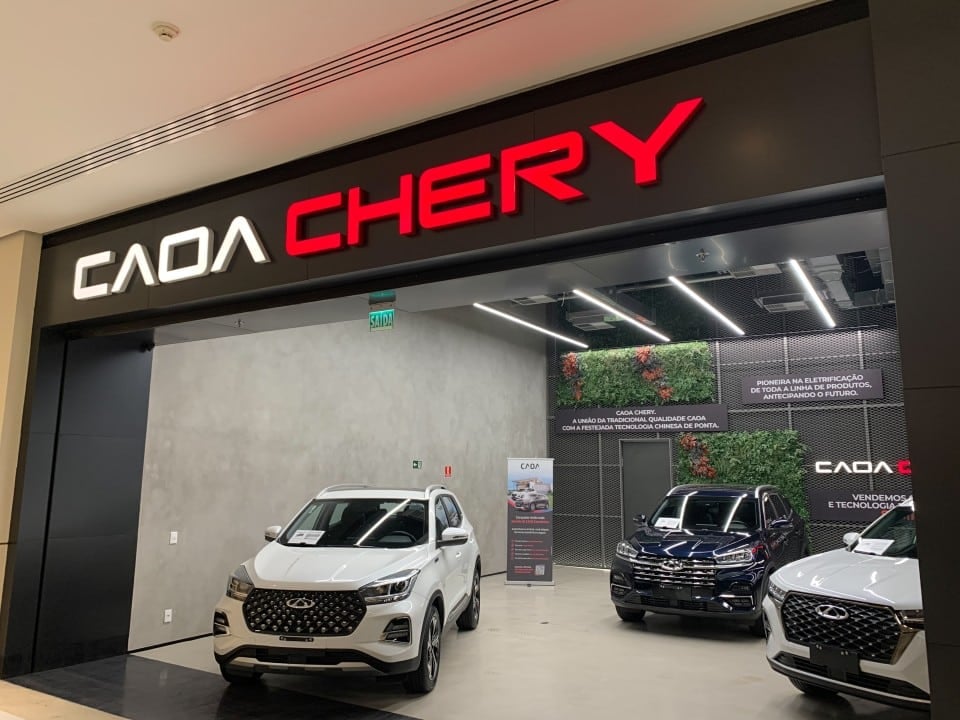
The dynamics of the automotive market in Oceania is undergoing a significant transformation, marked by the skepticism of large Asian manufacturers regarding the continued dominance of large utility vehicles imported from Estados Unidos. The management of operations at Chery at Austrália pointed out that the demand for models such as the Ram 1500 and the The most recent commercial data corroborates this analysis, showing a decline in the volume of registrations in this specific niche, which faces increasing logistical and regulatory barriers.
In contrast to the decline of giant models, the Chinese automaker’s strategy is aimed at strengthening the medium pickup truck segment, which has historically been preferred by local drivers due to its versatility and ease of maneuvering. The central focus lies in the introduction of cleaner propulsion technologies, specifically through the KP31 concept, which promises to innovate by combining the traditional power of diesel with the efficiency of plug-in electrification. Essa movement aims to fill the gap left by vehicles that, although powerful, are becoming increasingly costly to maintain and regularize.
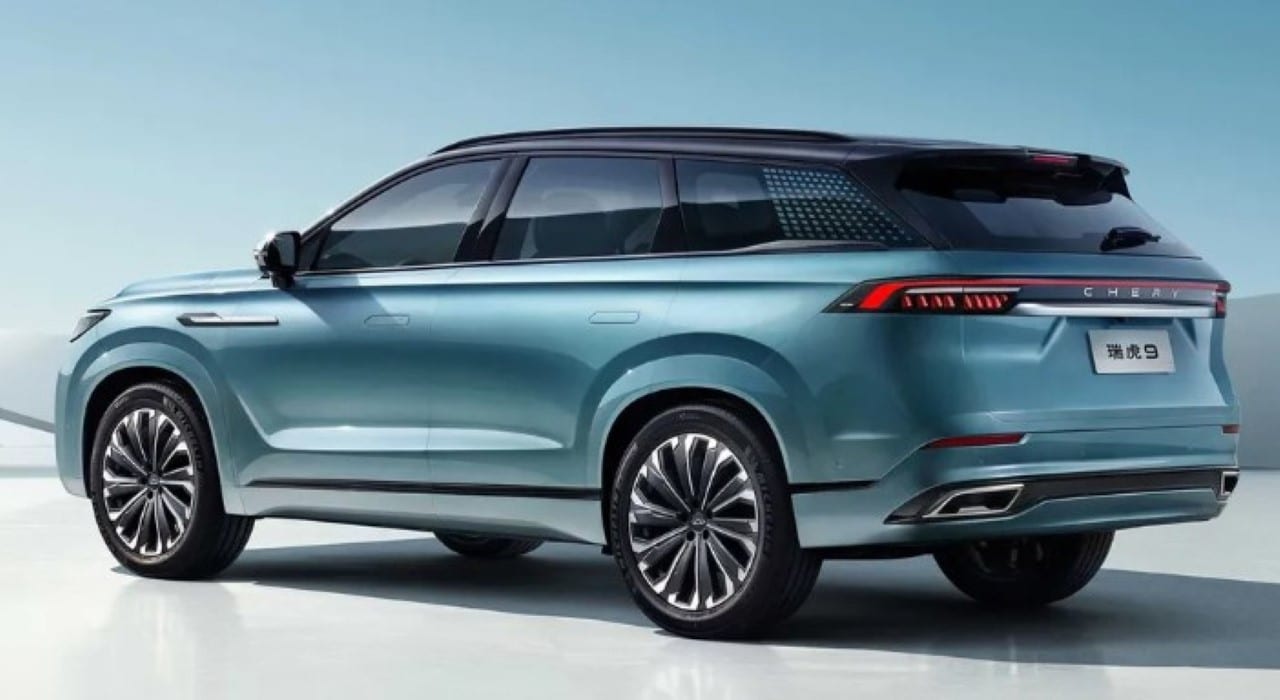
The competitive scenario is clearly outlined, pitting the “bigger is better” philosophy of North American brands against the pragmatic efficiency proposed by new Asian entrants. Enquanto full-size pickup trucks struggle to justify their presence in the face of new environmental laws, mid-size electrified options emerge as the rational answer for mixed use between heavy work and urban commuting.
Logistical challenges and commercial retraction of large models
Market statistics reveal a challenging scenario for importers of North American heavy vehicles, with the total sales volume registering just eight thousand seven hundred and sixty-three units in the last annual cycle, a number that represents a significant drop when compared to previous periods of greater prosperity. Além of the retracted natural demand, there is the technical and financial obstacle of mandatory conversion to right-hand drive, a complex process that substantially increases the final price to the consumer and makes the value proposition less attractive compared to global options that leave the factory ready for English hands.

The medium pickup truck segment, in turn, demonstrates impressive vitality, with more than two hundred and thirty thousand vehicles sold in the same period of time, consolidating itself as the true driving force of the utility sector in the region. Essa disparidade nos volumes de venda reforça a tese de que o consumidor médio prioriza a funcionalidade e o custo-benefício em detrimento do porte exagerado, especialmente quando o uso diário envolve tráfego urbano e restrições de estacionamento que penalizam veículos com dimensões excessivas.
Technical specifications of the new hybrid bet
The KP31 concept was developed to act as a direct rival to the medium-sized pickup trucks already consolidated on the market, featuring a plug-in diesel hybrid mechanical set as a major difference. The brand’s engineering team opted for a 2.5-liter turbodiesel engine, which will work together with a robust electrical system to guarantee efficiency without sacrificing the torque necessary for the job.
In terms of operational capacity, the vehicle was designed to owe nothing to its pure combustion competitors, offering a payload capacity of 1,000 kilos in the bucket. Towing force, a decisive criterion for buyers in this segment, reaches the three and a half ton mark, allowing trailers, boats and heavy equipment to be transported safely.
The technology embedded in the propulsion system is highlighted by the manufacturer as the first plug-in hybrid diesel applied to a double cab pickup in this category. Essa configuration allows the driver to enjoy electric autonomy for short journeys, drastically reducing fossil fuel consumption, while maintaining the extended diesel autonomy for long road trips.
The official schedule points to a commercial launch scheduled for the fourth quarter of this year, with the promise of expanding the line with a gasoline hybrid variant in the following year. Essa staggered launch strategy allows the brand to evaluate the initial reception of diesel technology, adjusting the offer according to the response of first buyers and the evolution of the charging infrastructure.
Impact of environmental regulations on industry
The implementation of increasingly stringent emissions standards acts as a catalyst for changing the profile of the available fleet, putting pressure on manufacturers to justify the existence of models with high levels of pollution. Large pickup trucks, traditionally equipped with high-displacement V8 engines, are directly targeted by these new regulations, which forces brands to rethink their portfolios to avoid fines and commercial sanctions that would make their operation unviable.
For light and medium-duty vehicles, the requirement to reduce average carbon dioxide emissions drives the accelerated adoption of hybrid and electric systems. Importadores and local automakers are racing against time to adapt their products, knowing that environmental compliance is no longer a marketing differentiator but has become an essential requirement for survival in the modern automotive market.
The trend of downsizing, or reducing the size of engines compensated by electrification, points to a future where energy efficiency will dictate the rules of the game. Nesse context, the transition to smaller but more technologically advanced vehicles reflects not only a legal imposition, but also a maturing consumer awareness about the environmental impact of their transport choices.
Market comparison and competition
The entry of the Chery with a diesel hybrid proposal puts the brand on a direct collision course with absolute sales leaders such as the Toyota Hilux and the Ford Ranger, models that have built their reputation based on mechanical durability and a wide assistance network. However, the absence of large-scale plug-in hybrid options in traditional portfolios opens a unique window of opportunity for the Chinese manufacturer, which seeks to attract customers interested in the fuel savings provided by electrification, without giving up the reliability of the diesel cycle. The comparison also extends to new competitors such as the BYD Shark 6, which bets on gasoline hybrid systems, creating a subsegment of “new technological pickup trucks” that challenge the status quo. Enquanto large American pickup trucks, such as the Ram 2500, are restricted to niches of very specific use and high purchasing power, electrified medium pickup trucks democratize access to cutting-edge technologies, offering a more balanced package for the reality of roads and cities, where agility and economy speak louder than isolated raw power.
Operational advantages and prototype details
The design of the KP31 concept does not hide its vocation for severe use, presenting visual and functional elements that appeal to off-road enthusiasts, such as all-terrain tires measuring 285/70 R17 and a raised snorkel for crossing flooded areas. The vehicle’s interior seeks to balance external robustness with a luxurious finish, incorporating modern connectivity and comfort technologies that have become the standard demanded by consumers in the category.
In addition to aesthetics and comfort, the brand’s big bet lies in the tangible benefits that the diesel plug-in hybrid system can offer in the owner’s daily life:
- Significant reduction in pollutant emissions compared to conventional diesel engines without electrical assistance.
- Ability to run in 100% electric mode in urban areas, generating immediate financial savings and silence on board.
- Instant torque delivery provided by the electric motor, helping when starting off with maximum load or when overtaking.
- Greater total combined autonomy, ideal for a country with long distances between cities and gas stations.
Chery engineering now focuses on optimizing production and nationalizing components to ensure that the final price is competitive from the first day of sales. The success of the venture will depend on the brand’s ability to prove that the additional complexity of the hybrid system does not compromise durability, a sacred factor for pickup truck users who use the vehicle as a work tool.
