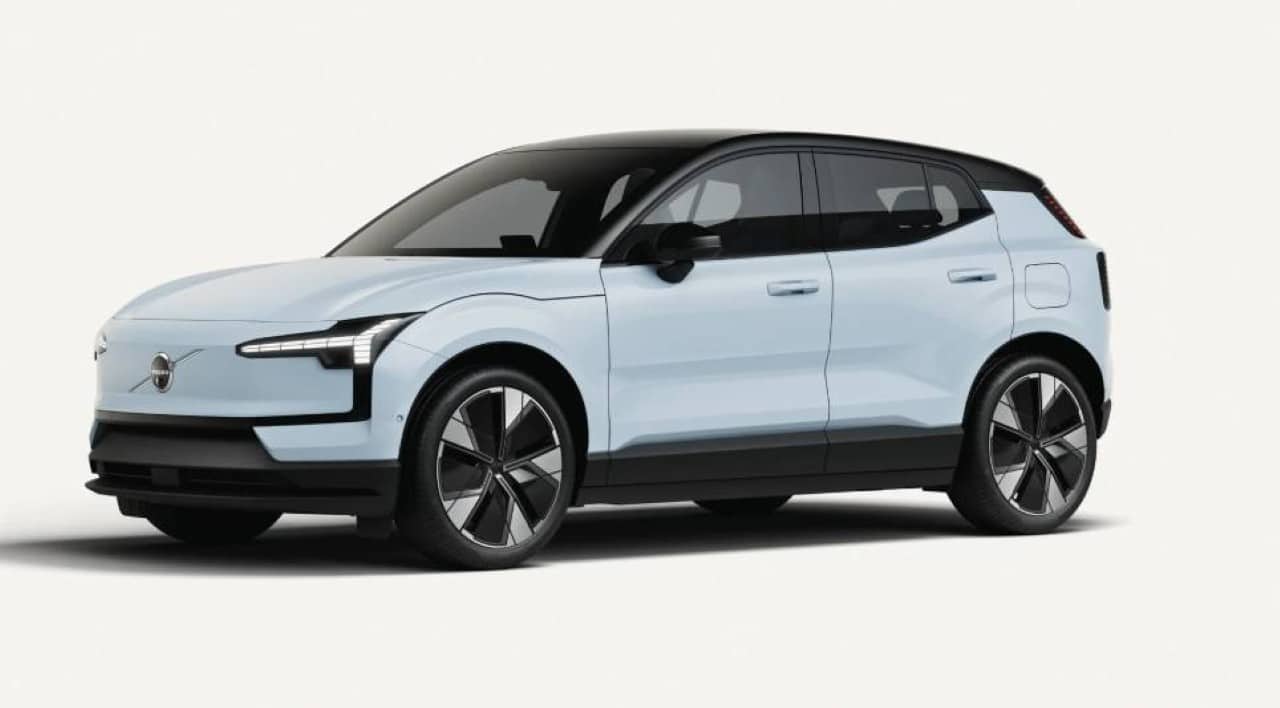
Volvo Cars has officially restructured its line of compact sports utility vehicles, presenting unprecedented technical specifications aimed at democratizing access to premium technology and expanding vehicle functionality beyond conventional transport. The changes, confirmed for the global market, introduce an entry-level engine focused on energy efficiency in urban areas and the implementation of bidirectional charging systems, a feature increasingly demanded by modern consumers. Essas updates come at a defining moment for the automotive industry, where versatility and cost-benefit have become determining factors for drivers looking to transition to electrification.
The Swedish automaker’s move reinforces its commitment to sustainability and practical innovation in users’ daily lives.
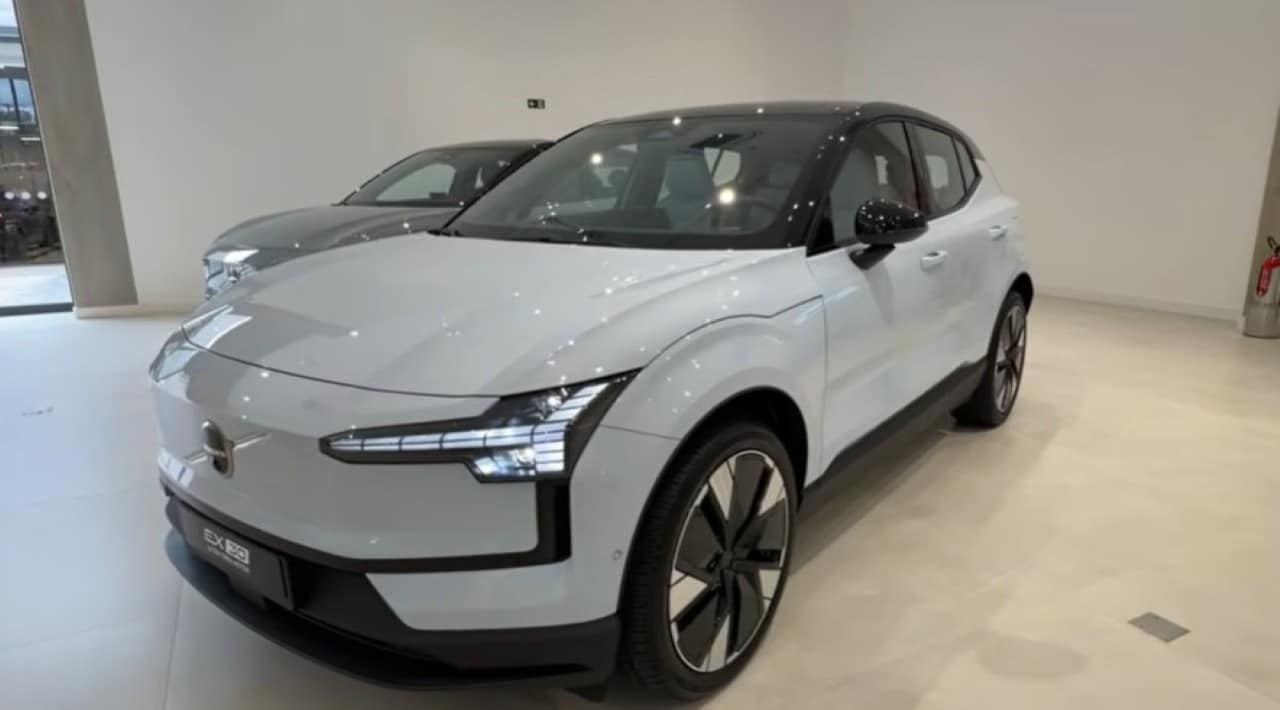
The forecast is that these new features will be introduced gradually, starting with Europa and reaching the Brazilian market in the second half of 2026.
New technical specifications prioritize efficiency in cities
The main mechanical change lies in the introduction of a new entry propulsion system, calibrated specifically for the demands of large metropolises. The model now has a rear electric motor that delivers 110 kW, which is equivalent to approximately 150 hp of power. Este propellant works together with a 51 kWh battery, designed to optimize the vehicle’s total weight and reduce energy consumption during daily commutes.
With this technical configuration, the SUV achieves a range of up to 339 km in the WLTP cycle. Although this number is lower than that of the long-range versions, it was calculated to comfortably cover the average daily mileage of most urban drivers. The decision to offer a smaller battery and an engine with adjusted power allows for a more aggressive price positioning, facilitating the entry of new customers into the premium electric segment.
For consumers who need greater road range, the line maintains options equipped with a 69 kWh battery. In Nestas configurations, autonomy can reach 476 km, ensuring peace of mind on intercity trips. The diversification of battery and motorization options allows consumers to choose exactly what suits their routine, avoiding the additional cost of a load capacity that they may never fully use.
Industry experts point out that the introduction of lower power variants, but with high efficiency, is a trend to make electric vehicles more competitive compared to combustion models. Além on the mechanical side, the massive software update demonstrates a shift in the ownership paradigm, where the car evolves over time through remote connections.
Technology transforms vehicle into energy source
One of the highlights of this update is the incorporation of the Vehicle-to-Load (V2L) functionality. Este system allows the vehicle’s high-voltage battery to supply energy to external devices, transforming the car into a kind of giant “power bank” on wheels. The technology is managed by intelligent software that prevents excessive discharge of the main battery, ensuring that the vehicle’s mobility is not compromised.
To use the feature, the owner needs a specific adapter that connects to the car’s charging port. From this point on, it is possible to connect different equipment, meeting different usage scenarios:
– Carregamento of bicycles and electric scooters during stops;
– Alimentação of camping equipment, such as lights and electric stoves;
– Conexão of electrical tools in places without a nearby electrical network;
– Suporte emergency for essential household appliances in cases of residential power outages.
V2L functionality is not exclusive to new models manufactured. The automaker confirmed that the technology will be released via remote update (over-the-air) for compatible vehicles that are already in circulation, adding immediate value to current customers’ assets without additional hardware costs, except for purchasing the adapter.
Renovation in interior design and sustainable materials
Following the Scandinavian design philosophy, the updates also include new interior finishing options. The highlight is the “Harvest” theme, which seeks inspiration from the colors and textures of the end of the Nordic summer. Esta configuration uses warmer and more welcoming tones, breaking with the technological coldness common in many electric vehicles.
Sustainability remains a central pillar in the choice of materials. The seats in this new version use fabrics made from recycled PET bottles and biomaterials. The “Dark Flax” finish, made from linen, replaces conventional plastics, offering a natural texture and reducing the carbon footprint of cabin production. Há also has the “Black” interior option, which offers a more sober and sporty aesthetic, with contrasting stitching.
Externally, the color palette has been refined to complement the new interiors, including options such as Onyx Black, which reinforces the elegance of the minimalist design.
Interface and user experience improvements
The vehicle’s digital interface received special attention from software engineers. The infotainment system, centered on a 12.3-inch screen, now has a customizable content bar. Esta change was based on feedback from early users, who requested faster access to critical functions without the need to navigate through multiple submenus.
The new interface uses predictive algorithms to suggest actions. If the system detects, for example, that the driver usually turns on the seat heating at certain temperatures, the corresponding icon will appear prominently in the quick access bar. Isso reduces distracted driving and improves overall driving safety.
Additionally, integration with virtual assistants and navigation systems has been optimized to offer more fluid responses. The planned OTA updates will bring these interface improvements to the entire connected fleet, ensuring that no user remains on an obsolete operating system.
Adventurous version receives new options
For off-road adventure enthusiasts, the Cross Country variant has also received improvements. The introduction of the “Plus” trim level for this adventurous version combines the robustness needed for difficult terrain with the new entry-level engine. Isso creates an interesting option for those who need a car capable of tackling dirt roads, but don’t need the extreme power of superior versions.
The Cross Country model maintains essential features, such as the raised suspension and reinforced plastic body protections. The new configuration balances off-road capability with more efficient energy management, ideal for those who use the vehicle both in the city during the week and in the countryside on weekends.
With these comprehensive updates, the model repositions itself in the global market. The strategy of offering a more accessible entry point with 150 hp, combined with the versatility of V2L technology and constant software improvements, aims to consolidate the brand’s presence in the competitive electric compact SUV segment throughout 2026.
