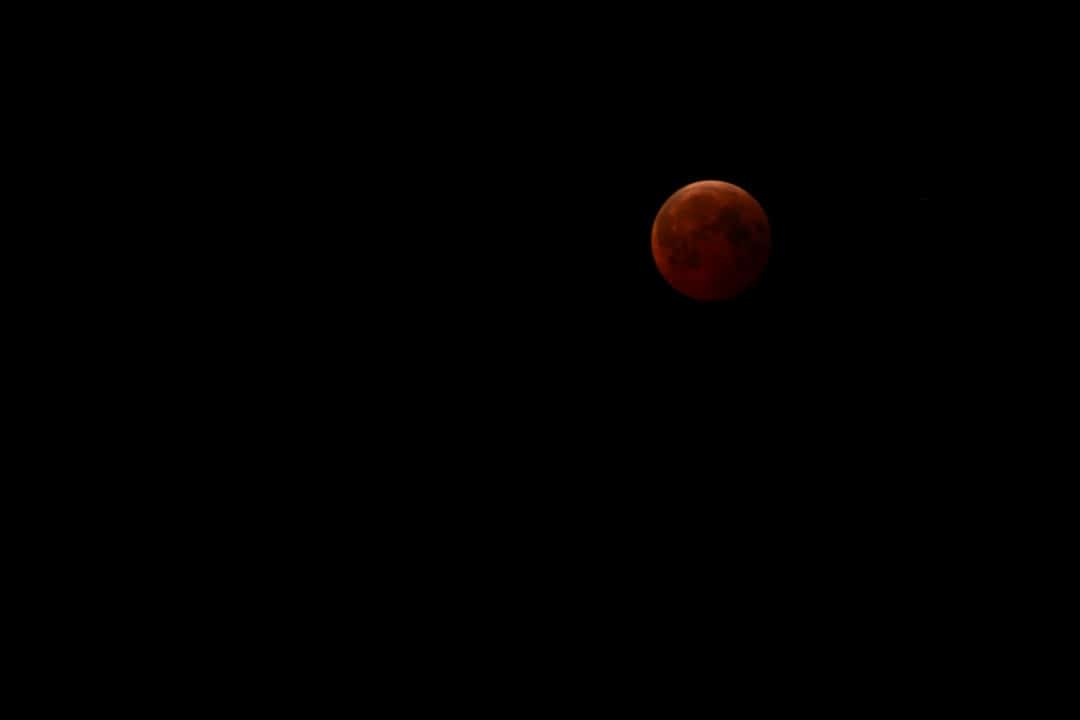
The first lunar eclipse of the year occurs this Tuesday, March 3, 2026. The total astronomical phenomenon takes place during the afternoon and early evening at Índia local time and attracts special attention as it coincides with the Holi festival.
Official times follow Indian Standard Time. The sutak kaal begins in the morning and ends exactly with the end of the eclipse as per Hindu traditions.
The main aspects of the event include the following points.
- Start of the eclipse at fifteen hours and twenty minutes.
- Peak at around seventeen hours and four minutes.
- End registered at eighteen hours and forty-six minutes.
- Total duration of approximately three hours and twenty-seven minutes.
Visibility directly depends on geographic location. Regiões eastern parts of the country record the best observation of the blood moon during local dusk.
Exact times of the total lunar eclipse on Índia
The eclipse begins in the penumbral phase at fifteen hours and twenty minutes local time. The full umbral phase begins shortly after and the peak occurs at seventeen hours and four minutes, according to confirmed astronomical data.
The moon is only visible from 16:26 am in a large part of the territory. The best time for observation is between eighteen hours and thirty-three minutes and eighteen hours and forty minutes.
Start of sutak kaal and duration of restricted period
The general sutak kaal begins at nine thirty-nine in the morning. Ele extends until the complete end of the eclipse at eighteen hours and forty-six minutes.
For elderly children and sick people, the restricted period only starts at fifteen hours and twenty-eight minutes. Essa differentiation follows traditional guidelines for specific protection of these groups.
The sutak kaal ends simultaneously with the end of the lunar eclipse. Após At this point, dietary and activity restrictions are suspended immediately.
Visibility of the phenomenon in different Indian regions
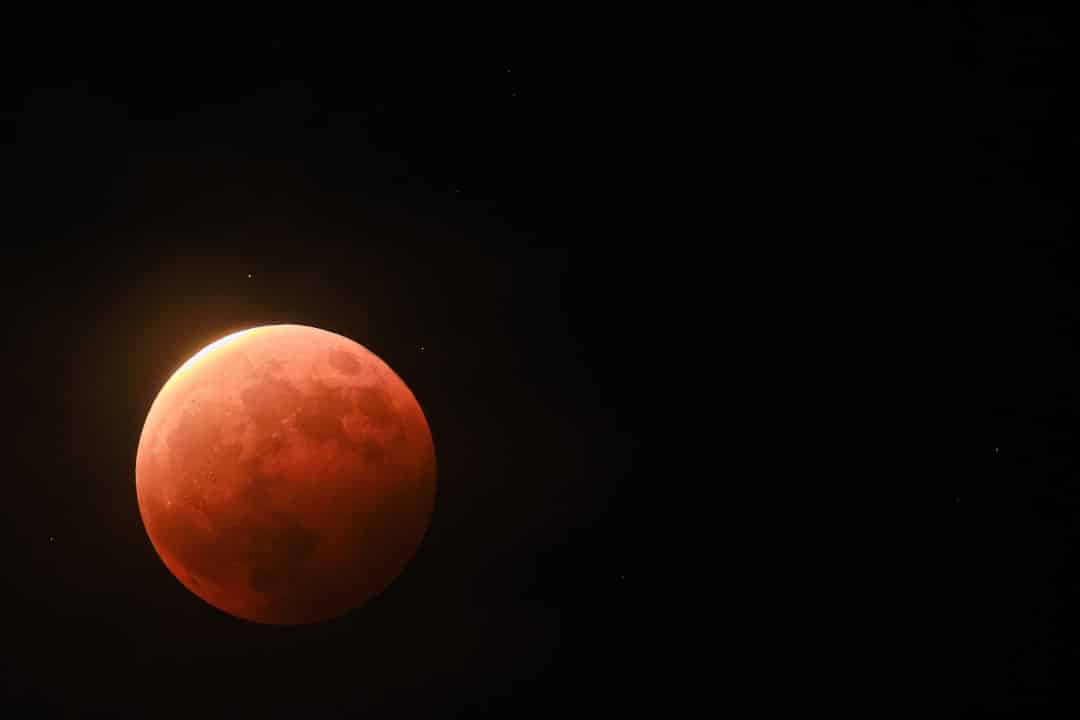
The complete observation of the total lunar eclipse is more evident in the eastern areas of the country. Nessas locations the blood moon appears with greater intensity during local dusk.
In cities like Noida and Gurugram the moon appears during the final phase of the event. Partial visibility occurs in other northern and central regions according to astronomical reports.
Western regions only record the end of the phenomenon due to the moonrise time. Especialistas recommend using binoculars or secure telescopes for safe monitoring.
The phenomenon can also be seen in parts of Austrália Southeast Asia and Pacífico ocean. Na Índia the focus remains on areas where the moon is already above the horizon during the peak.
Recommended precautions during the celestial event
Hindu traditions advise avoiding any type of food during sutak kaal. People should maintain satvik diet when necessary and add tulsi leaves to milk or yogurt before the restricted period.
Negative activities or important decisions are prohibited during this interval. The japa practice of the mantra Om Namah Shivaya gains multiplied strength and meditation on the personal god is highly recommended.
Religious significance of chandra grahan to the Hindu community
Total lunar eclipse mainly affects the mind and emotions according to Hindu astrological beliefs. The event takes place in the constellation of Singh Rashi and in the nakshatra Purvaphalguni, which amplifies possible emotional instabilities and negative thoughts among the faithful.
The Hindu community considers this day special as it coincides with the Purnima of Phalguna and the festival of Holi. The phenomenon called grastoodit gains extra importance because the moon rises already partially eclipsed in many regions.
Spiritual practices such as donating grains to birds, clothes to the needy and grass to cows multiply positive merit after completion. Complete cleaning of the house removes negative energies accumulated during the eclipse and the purifying bath with pure water ends the cycle of observance.
Astrology experts indicate that the event can influence political leaders and global power situations. Fiéis avoid important work and remain calm to minimize emotional impacts described in the scriptures.
What to do after the lunar eclipse ends
After the end of the eclipse, the faithful must bathe with pure water. Donating to the poor and cleaning the entire residence complete the recommended rituals.
Additional Details About Safely Observing the Blood Moon
Direct observation without special equipment is safe because it is a lunar eclipse. Especialistas just warn not to look at the sun at any time close to the event.
The phenomenon officially ends at eighteen hours and forty-seven minutes in some updates. Depois of this time the sutak kaal closes and normal activities can gradually return.
