
The mobile device accessories industry has just received a significant update focused on the physical integrity of users and the longevity of equipment. The Japanese company Green House introduced the GH-LFMBPA100 model to the market, a portable charger that differentiates itself by the use of lithium iron phosphate (LiFePO4) cells. Essa technology, often associated with the manufacturing of modern electric vehicles, is now reaching everyday consumers to offer a more stable and safer alternative to traditional batteries.
The main difference of the new device lies in its chemical composition, designed to withstand high temperatures and resist impacts without presenting critical failures. Enquanto conventional lithium ion batteries can suffer from the phenomenon of thermal runaway under stress, iron phosphate cells have a molecular structure that inhibits spontaneous combustion. Essa feature makes the accessory ideal for daily carrying in backpacks or bags, where movement and heat can pose risks to less robust equipment.
Superior durability and extended life cycle
Laboratory tests carried out with the new equipment demonstrate wear resistance considerably higher than the market average. The device can withstand approximately 2000 complete charge and discharge cycles before showing significant signs of degradation. Esse number represents a useful life about four times longer than that observed in common power banks, which generally require replacement after one or two years of intense use.
The extension of product life reflects a growing concern about sustainability and the reduction of electronic waste. By maintaining consistent performance for an estimated period of five years, the model reduces the need for frequent disposal of chemical components harmful to the environment. The low self-discharge rate also allows the battery to be stored for long periods, keeping it ready for use in emergency situations or extended trips.
Connectivity specifications and practical use
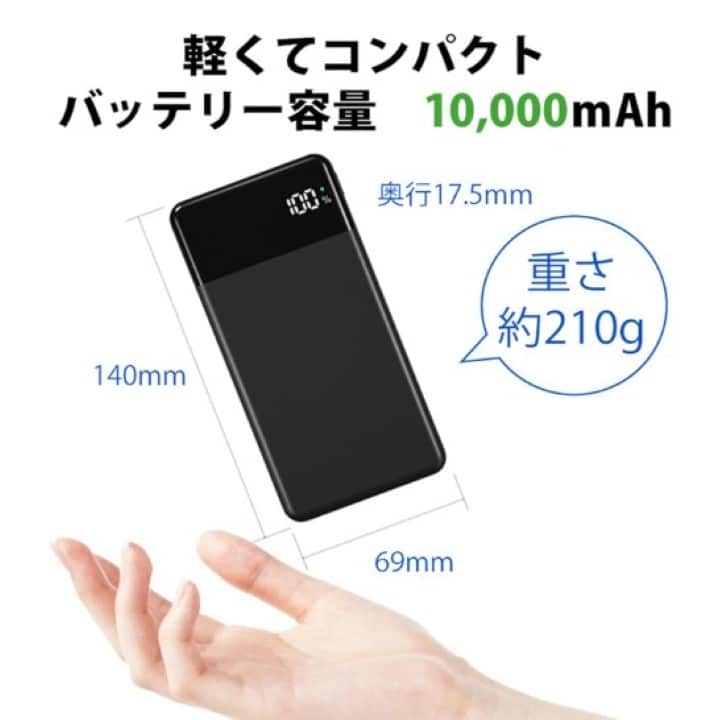
To ensure versatility in everyday life, the model was developed with a capacity of 10000mAh and multiple connection options. The compact design, weighing approximately 210 grams, houses essential features for the modern user: – Duas USB-C ports and one USB-A port allow charging of up to three devices simultaneously; – Support for the 20W Power Delivery (PD) protocol ensures fast recharges for compatible smartphones; – Pass-through technology makes it possible to charge the external battery and the cell phone at the same time when connected to the socket.
Intelligent power management is another strong point of the device, optimizing electrical flow to protect both the charger and connected gadgets. Usuários from different ecosystems, be it Android or iOS, can recover about half of their phones’ charge in thirty minutes thanks to the efficiency of power transfer via USB-C. The integrated digital indicator makes it easy to monitor the remaining charge, eliminating unpleasant surprises throughout the day.
Security protocols and certifications
Compliance with international safety standards is a requirement strictly met by the new release. The product has PSE certification, mandatory in the Japanese market, which certifies the quality of the protection circuits against overload, short circuit and excessive discharge. Essa Electronic shielding is essential to prevent damage to connected devices and ensure user peace of mind during the recharging process, including at night.
Frequent travelers also benefit from the technical characteristics of lithium iron phosphate. The material’s stability and compliance with air transport regulations allow the accessory to be taken on commercial flights without restrictions, unlike some unstable lithium batteries that are often confiscated during security inspections. The combination of chemical and physical safety positions the product as a reliable tool for both the corporate and leisure environments.
