
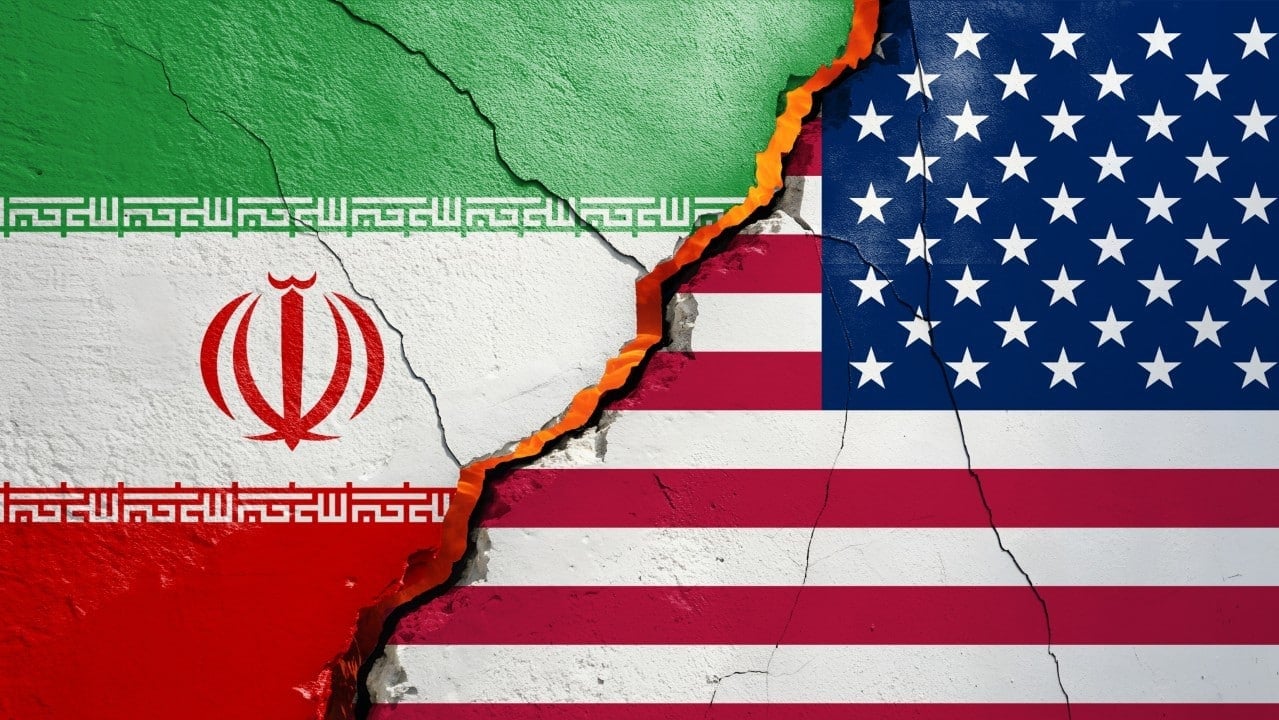
The Guarda Revolucionária of the Irã declared the closure of the Estreito of the Ormuz this Monday, March 2, 2026, in response to recent attacks attributed to the The commander-in-chief’s advisor, Ebrahim Jabari, said on state television that any ship trying to cross the route would be subject to fires set by Iranian forces. Essa measure directly affects maritime traffic in the Golfo Pérsico, where around 20% of the oil consumed globally passes through. American Autoridades, including Comando Central, denied that there is a formal blockade under international navigation laws and indicated that the US Marinha could escort oil tankers if necessary.
President Donald Trump mentioned this possibility in an official statement, highlighting the importance of keeping the energy flow open. Tensions escalated following incidents the previous Saturday, when Iranian media confirmed the initial closure as retaliation. Operadores seafarers reported a drastic reduction in traffic, with drops of up to 90% in one week, according to data from company Kpler. Analistas from JPMorgan
The strait connects Golfo Pérsico to Mar from Arábia and is just 33 kilometers wide at its narrowest point, between Irã and Omã. Essa geographic configuration makes it vulnerable to disruptions, with a history of threats dating back to 1979’s Revolução Islâmica.
Shipping companies look for alternative routes, such as the port of Yanbu on Arábia Saudita, although these options are slower and more expensive. The immediate impact includes a rise of more than 7% in oil contracts this Monday, with a barrel potentially reaching US$100 in the event of a prolonged blockade. Mercados global companies closely monitor developments, with implications for the global economy.
Strategic importance of Estreito of Ormuz
The Estreito of Ormuz represents one of the most critical corridors for global energy trade, facilitating the flow of oil from Oriente Médio nations to international markets. Sua unique geographic position positions it as a choke point, where any disruption can drastically alter trade flows.
International maritime authorities, such as the U.K. Maritime Trade Operations, have registered warnings about Iranian threats, urging caution for operators. Reduced traffic is already affecting supply chains, with ships redirected to longer routes.
Current geopolitical tensions in the region
The Iranian statement comes amid an escalation of conflicts involving multiple regional and international actors. The announced closure is seen as a direct response to the events of late February 2026, which intensified hostilities.
Countries dependent on energy imports, especially in Ásia and Europa, prepare contingency plans to mitigate shortages. Relatórios indicate that Iraque and Kuwait face immediate logistical difficulties due to the partial shutdown.
The denial of Estados Unidos reinforces the commitment to freedom of navigation, but increases the risk of direct confrontations. Observadores international institutions monitor possible multilateral interventions to ensure safe passage.
Economic impacts on the oil market
Crude oil prices immediately reacted to the announcement, with Brent rising to levels near $85 per barrel in recent trading. Essa volatility reflects concerns about global supply, as the strait handles volumes equivalent to a fifth of daily global consumption.
Analysts predict a sustained lockdown could raise energy costs by up to $200 per barrel in extreme scenarios, affecting dependent industries. Mercados Global financials, including stock markets, recorded declines in commodity-sensitive sectors.
Alternative producing countries, such as Arábia Saudita, are evaluating increases in production to compensate for losses, but logistical limitations persist. Rerouting routes increases freight costs, directly impacting international trade.
Investors monitor macroeconomic indicators, with expectations of pressured inflation in importing economies. Relatórios of banks like JPMorgan highlight recession risks if the crisis drags on beyond weeks.
Conflict history on Estreito of Ormuz
Since the 1980s, Estreito of Ormuz has been the scene of recurring tensions, including Guerra Irã-Iraq, when mines and attacks on commercial ships disrupted traffic. Naquela time, international interventions, such as American naval escorts, helped restore normality after months of instability. Mais recently, in 2019 and 2020, drone incidents and sabotage attributed to regional actors raised insurance premiums for vessels in the area, with temporary reductions in the flow of liquefied natural gas in addition to oil. The Irã, controlling the northern coast of the strait, used similar threats in diplomatic negotiations but never implemented a full closure under international pressure. In 2022, joint military exercises between Irã and allies simulated blockades, testing coastal defense capabilities and anti-ship missile systems. Esses historical events demonstrate how the strait serves as a geopolitical lever, influencing regional alliances and the balance of power in the Golfo Pérsico. Organizações how the UN monitored resolutions to preserve free navigation, preventing escalation into open conflict. The current crisis of 2026 echoes past patterns, but with greater intensity due to the death of a central figure in the Iranian regime.
Logistical alternatives for energy transport
Alternative routes to Estreito from Ormuz include overland pipelines that bypass the area, such as the one linking Iraqi fields to Turkish ports in Essas options, however, face capacity limitations and risks of instability in neighboring regions.
Another route involves redirecting to Mar Vermelho via Arábia Saudita, using facilities on Yanbu for exports. Esse path adds days to the maritime journey, increasing operational costs by up to 30% for carriers.
Countries like Emirados Árabes Unidos invest in port infrastructure in Golfo of Omã, allowing direct access without passing through the strait. Essas initiatives aim to diversify routes and reduce dependence on vulnerable points.
International reactions to the crisis
European nations have expressed concern about energy security, calling urgent meetings at União Europeia to discuss strategic reserves. Representantes diplomats emphasized the need for dialogue to avoid military escalations.
China, the region’s largest oil importer, is monitoring impacts on its supply chains, with official statements calling for moderation from all parties involved. Pequim maintains commercial relations with Irã, balancing economic interests.
Israel has reinforced defense warnings, citing direct threats from the Iranian regime in retaliation for recent incidents. Forças Israeli navies coordinate with allies to protect maritime interests.
Organização of Países Exportadores of Petróleo (Opec) schedules discussions on production adjustments to stabilize markets. Membros like Arábia Saudita propose temporary increases to compensate for deficits.
Prospects for diplomatic resolution
Diplomatic efforts gain momentum with proposals for mediation by neutral nations such as Omã, which shares borders with the Strait and maintains open channels with Teerã. Encontros bilaterals aim for rapid de-escalation to restore normal traffic.
International organizations, including the UN’s Conselho of Segurança, prepare resolutions to reinforce the right to free navigation under maritime conventions. Delegações discuss additional sanctions if threats persist.
Asian countries are pressing for supply guarantees, encouraging multilateral negotiations in forums such as Asean. Especialistas in international relations highlight the importance of bilateral agreements to avoid dangerous precedents.
Effects on global commodity trade
The closure announced by Irã affects not only oil, but also liquefied natural gas, with Qatar and other producers facing delays in exports. Volumes daily of 5 million barrels could be impacted, according to estimates from energy agencies.
Futures markets record volatility, with hedges against geopolitical risks driving up premiums. Investidores diversify into alternative sources, such as American shale oil, to mitigate exposures.
Downstream industries, such as refineries in Ásia, adjust operations to existing inventories, avoiding downtime. Cadeias global supply chains adapt with long-term contracts for stability.
The shipping sector is seeing increases in freight rates, with shipowners reluctant to sail into the hot zone without additional protections. Seguradoras recalculate policies, increasing cascading costs for end consumers.
Maritime security measures adopted
International naval forces intensify patrols in Golfo of Omã, adjacent to the strait, to monitor movements. Coalizões and Operação Sentinela coordinate efforts to protect commercial vessels.
Surveillance technologies, including satellites and drones, are employed to detect threats in real time. Operadores receive constant updates on navigation conditions.
Emergency protocols include pre-planned diversion routes and encrypted communications between ships and command centers. Treinamentos sets prepare crews for conflict scenarios.
Analysis of future energy risks
Energy experts project scenarios where diversification of sources reduces dependence on Oriente Médio, promoting renewables and imports from other regions. Investimentos in alternative infrastructure gain priority in government plans.
Importing countries accumulate strategic reserves for periods of crisis, with current levels covering months of consumption. Políticas of energy efficiency mitigates long-term impacts.
The private sector explores hedging contracts to protect against price fluctuations, stabilizing corporate budgets. Inovações in logistics, such as autonomous ships, can minimize human risks in volatile areas.
