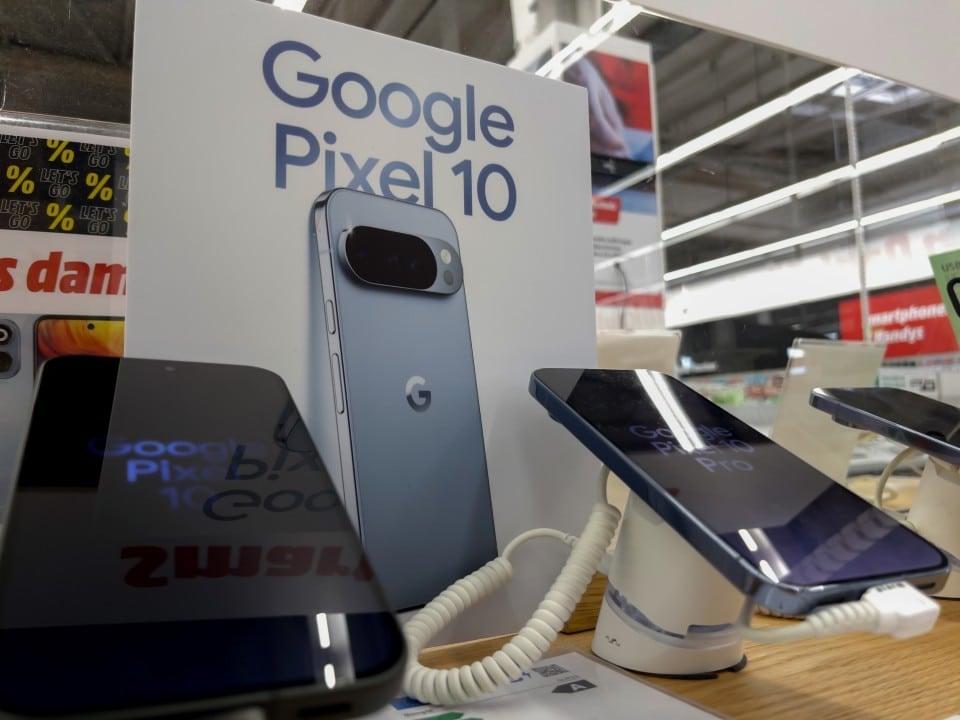
The global scenario of premium mid-range smartphones faces a significant upheaval after the recent announcement of the technical specifications of the search giant’s new device. The strategy adopted to launch the most affordable model in the Pixel line generated a wave of immediate criticism from technology experts and demanding consumers, who were waiting for substantial innovations for the 2026 cycle. By opting to maintain components from past generations, the manufacturer opened a dangerous gap in an extremely competitive and cost-benefit-sensitive market segment.
The decision to reuse the Tensor G4 processor, the same chipset present in previous models, was the central point of the negative reviews that dominated discussion forums and specialized portals. Além of the processing engine, the set of cameras and the battery capacity were also inherited directly from the previous generation, without tangible improvements that justify the upgrade for owners of recent models. With a price set at $499, the device is positioned in a range where tolerance for technological stagnation is minimal, especially when compared to aggressive offers from rival manufacturers.
The market reacts with skepticism to the bet on continuity, given that the evolution of software and artificial intelligence, although robust, may not be enough to mask the lack of progress in raw hardware. Consumidores who seek longevity and cutting-edge performance are beginning to turn their attention to alternatives that offer real generational leaps for the same investment value. The insistence on not updating vital components places the new device at a clear technical disadvantage compared to competition that has not stopped innovating.
Direct comparisons reveal a growing gap between what is offered by the North American brand and what Asian manufacturers are able to deliver in the same price range. Enquanto the recently launched model bets on familiarity and software integration, competitors focus on brute force, ultra-high refresh rate screens and power autonomy that redefine mobile industry standards. Este mismatch could cost a relevant slice of market share in a crucial year for the consolidation of mobile technologies.
Extreme performance and autonomy as a competitive differentiator
At the top of the list of alternatives that overshadow the launch of the Google is the OnePlus 15R, a device that redefines the concept of performance in the mid-range segment. Equipado with the powerful Snapdragon 8 The 6.78-inch AMOLED screen with a refresh rate of 165Hz positions itself as a reference for media consumption and games, offering a visual experience that the North American competitor cannot match.
The energy issue also receives a revolutionary treatment in the OnePlus model, meeting one of the main demands of modern users. The inclusion of a massive 7,400 mAh battery sets a new record for the category, promising days of use away from the socket, something unthinkable by conventional standards. Além of raw capacity, 80W fast charging support ensures that downtime is kept to a minimum, creating a usability package that directly appeals to audiences who have been frustrated by the Pixel 10a’s conservative battery life.
Ultra-thin design and military resistance stand out
Outra battlefront that exposes the weaknesses of the new Pixel is design and durability, where the Motorola Signature emerges as an unexpected and robust protagonist. Este device achieves the engineering feat of combining a thickness of just 6.99 mm with MIL-STD military certification and IP69 protection against water and dust. The refined construction does not sacrifice performance, as the model also houses the Snapdragon 8 Gen 5 chipset, demonstrating that it is possible to combine premium aesthetics and extreme resistance without compromising internal power.
The storage capacity and camera system of the Motorola model also far surpass those of the Google. With options that reach 1 TB of internal space, the device eliminates file management concerns, while the triple set of 50 MP cameras — including main, ultrawide and periscope sensors — offers high-resolution photographic versatility. Essa abordagem de “tudo incluído” contrasta fortemente com a economia de recursos observada no Pixel 10a, atraindo usuários que valorizam especificações superlativas e construção de luxo.
Advanced photography and long-term support
Para photography enthusiasts looking for creative alternatives, the Nothing Phone 3a Pro presents itself as a solution focused on image quality and unique visual identity. The highlight of the device lies in its 50 MP periscopic lens with 3x optical zoom, a feature rarely found with this quality in the mid-range price range. Equipado with the Snapdragon 7s Gen 3 processor, the device balances energy efficiency and sufficient performance for image processing, filling a gap left by the Google for content creators who require optical versatility without spending a fortune.
The Samsung, in turn, directly attacks the Google’s longevity argument with the Galaxy S25 FE. The South Korean device maintains the promise of seven years of operating system and security updates, matching the software support that was an exclusive differentiator of the Pixel line. With the Exynos 2400 processor and a 4,900 mAh battery, the device offers a solid balance between performance and autonomy.
Although the 45W charger is sold separately, the Galaxy S25 FE’s overall package, which includes capable cameras and a mature ecosystem, presents itself as a safe and durable choice. The combination of upgraded hardware and extended support guarantees makes the Samsung proposition extremely attractive to the rational consumer, who plans to keep the device for many years, further undermining the Pixel 10a’s potential buyer base.
