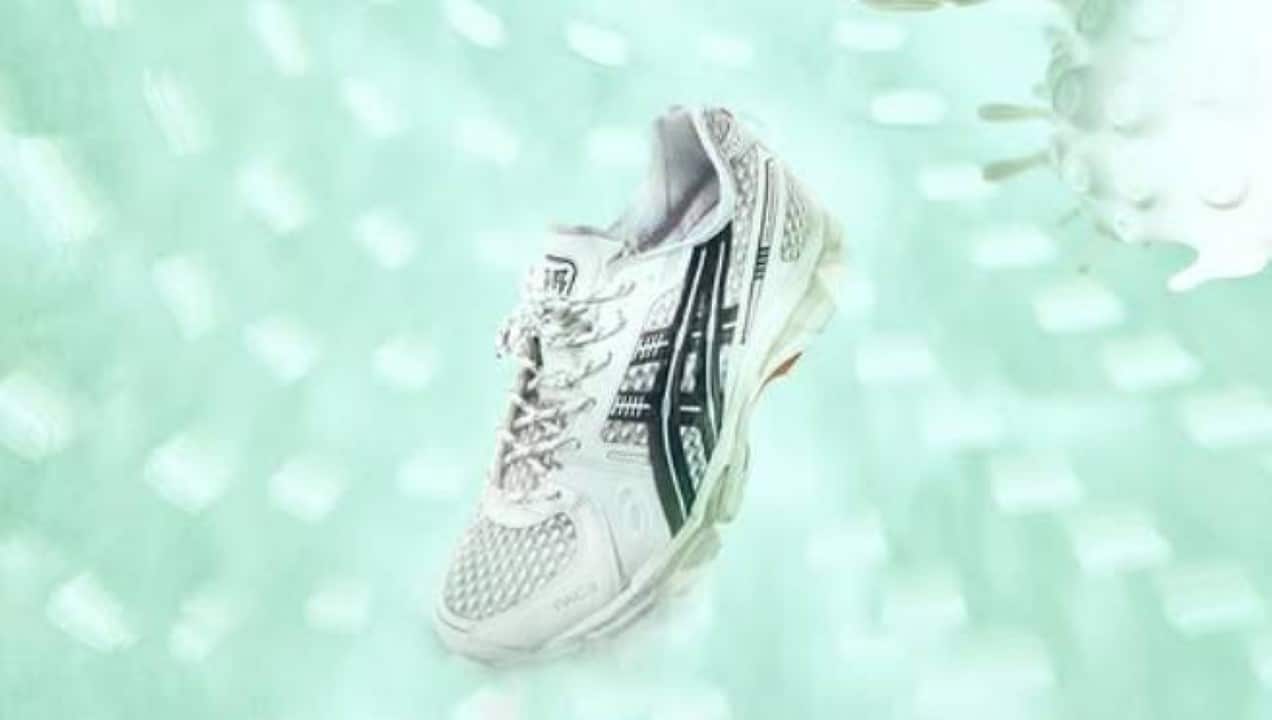
The athletic footwear industry has just received a significant boost with the recent announcement from Japanese manufacturer Asics, which confirmed the development of a new product line focused on the intersection of human engineering and mechanical performance. The company, recognized globally for its rigor in research and development, has set new standards for the running segment by prioritizing the creation of models that balance stability and lightness. The current engineering project aims to meet a growing demand for versatile equipment, capable of supporting both regenerative training and long-distance sessions, without compromising the athlete’s physical integrity.
Industry experts point out that the combination between the structure of the upper and the density of the midsole is the difference that makes this new generation of products stand out in the contemporary market. The emphasis on biomechanical performance suggests that the brand is not just selling a shoe, but rather a physical improvement tool that respects the anatomy of the feet and the dynamics of movement.
The development of this specific model was calculated to respond to the need to reduce the final weight of accessories, a critical factor for runners looking to reduce muscle wear and impact on joints during prolonged activities. By aligning lightweight polymers with a biotechnology-focused design, the Asics is able to maintain the athlete’s pace for longer, ensuring a smooth transition between strides.
Observing the technical details disclosed, one can notice a meticulous concern with the health of the feet, both during propulsion training and during landings. The attention to detail suggests that the technology employed seeks to mitigate common risks associated with sport, offering robust lateral support without adding unnecessary bulk to the product.
Innovation in breathability and thermal comfort
One of the most notable advances in the structure of the new shoes lies in the use of highly breathable mesh in the upper part of the sneaker. The implementation of an advanced technical fabric has allowed substantial progress in the thermal management of the feet during intense physical activities. The purpose of this specific weave is to enable constant airflow, preventing internal overheating and drastically reducing humidity caused by perspiration.
This structure was designed to adapt anatomically to the back of the foot, providing a personalized fit that avoids excessive pressure points. The resulting comfort is not just a matter of convenience, but a strategy to avoid blisters and discomfort that could interrupt a runner’s training cycle by offering lateral support without stiffness.
- Technological mesh designed for high elasticity and personalized fit to the feet.
- Structural reinforcement at strategic points to ensure durability against abrasion.
- Reduction of internal friction through optimized padding in the heel area.
- Intelligent lacing system that distributes tension evenly across the instep.
Efficient ventilation is considered one of the essential pillars for sports health, and is often cited by experts as a determining factor when choosing professional equipment. Além of the thermal benefits, the lightness of the synthetic materials used in manufacturing contributes to keeping the footwear within competitive weight parameters on the global market. Esta feature is indispensable for training sessions that require high repetition of movements, where every extra gram can mean an increase in early muscle fatigue.
Midsole and impact absorption technology
The application of midsole technology based on EVA (ethylene vinyl acetate) represents a qualitative leap in the energy absorption capacity and mechanical response of the new models. Diferente From traditional foams, this material offers a clear distinction in the way impact energy is dissipated and subsequently returned to the athlete. The elastic property of the compound prepares the runner for the next stride, optimizing the gait cycle and reducing the effort required to maintain speed.
Cushioning isn’t just for a soft feel; it is calibrated to provide the stability needed on varying terrain without sacrificing ground awareness. Unlike excessively soft models that can cause instability, the density chosen by Asics seeks an ideal balance between joint protection and tactile reactivity. Isso allows the runner to maintain firm proprioceptive control, essential for avoiding twists and maintaining correct cadence.
Durability and traction with reinforced sole
At the base of the footwear, engineering focused on resistance and grip, using high-abrasion rubber compounds strategically positioned in areas of greatest wear. Seja on dry asphalt or wet surfaces, traction capacity is essential for the athlete’s safety, and the sole design was designed with grooves that facilitate the natural flexibility of the foot, following the movement from the heel to the tip of the toes.
The durability of the sole is a point of honor for the brand, which seeks to extend the product’s useful life even under intense use. The traction pattern ensures that stride efficiency is maintained even after hundreds of kilometers driven, a vital feature for runners who depend on consistent equipment for their daily training and long-distance races. Este element is crucial for the runner’s economy, who finds the product to be a reliable and long-lasting training partner.
Versatility for different athlete profiles
The Asics project is not limited to serving only the sport’s elite; it was designed as a comprehensive solution for a wide range of runners, from beginners taking their first steps into running to veterans seeking performance. Para the novice runner, the footwear offers the security and support necessary to develop muscles and technique without excessive risks. The lateral stability and generous damping forgive small flaws in running mechanics, common in those just starting out.
For experienced athletes, the lightness and energy return of EVA transform the shoe into a viable option for speed training and long runs, where mechanical efficiency is a priority. The versatility of the design allows the shoe to be incorporated into different training routines, working well both in the gym and on the streets. Essa adaptability makes the model a key piece in the sports wardrobe, eliminating the need for multiple pairs for different types of basic training.
The importance of biomechanics in injury prevention
Choosing the right footwear, based on solid biomechanical principles, is the first line of defense against common running injuries. The model developed by Asics acts as a filter between the body and the ground, minimizing the shock that travels up the legs with each impact. By preserving the user’s physical integrity, tennis allows the athlete to explore their maximum potential with confidence.
User feedback and field tests indicate that the perception of quality is directly linked to the feeling of security that the footwear provides. The combination of premium materials and cutting-edge engineering reinforces the brand’s position as a leader in innovation, showing that investment in research directly translates into well-being and performance for the end consumer.
