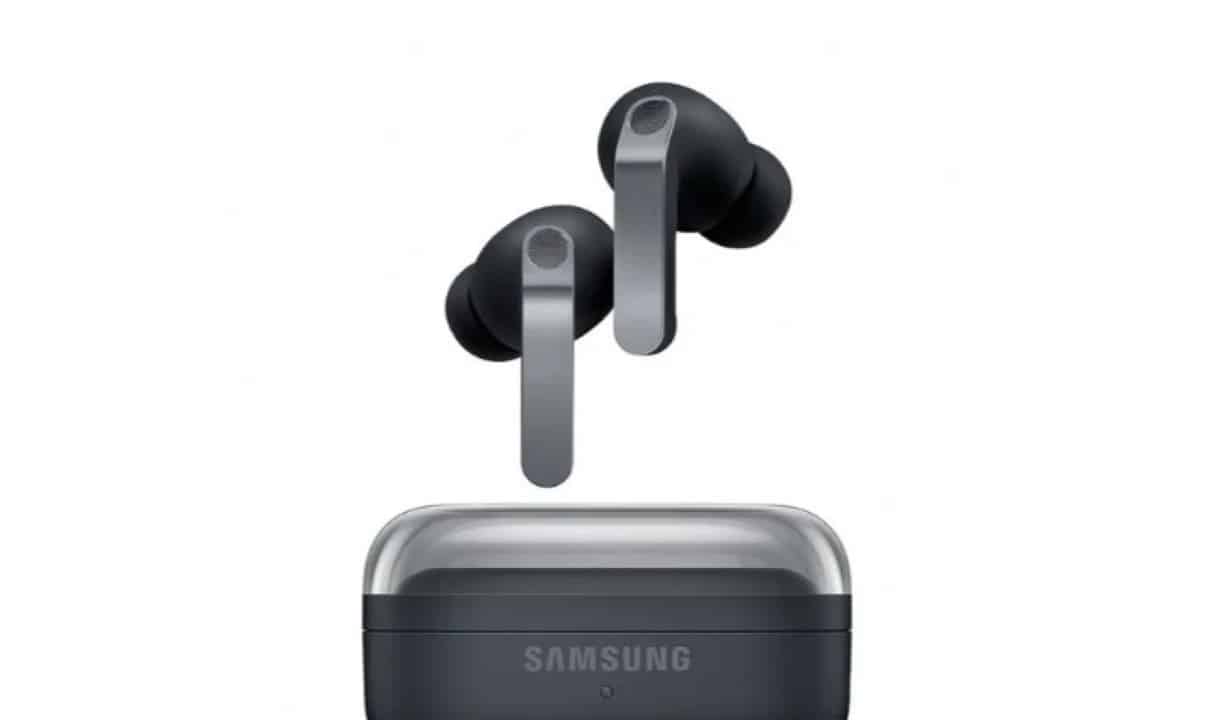
technology, wireless headphones, Samsung Galaxy Buds 4 Pro, noise cancellation, premium audio
South Korean manufacturer Samsung recently introduced its newest wearable audio device aimed at the high-end segment to the global market. The equipment hits the shelves with the mission of replacing the previous generation, bringing updates focused on sound architecture, user comfort and energy efficiency.
Laboratory tests and daily use analyzes demonstrate that the new generation presents measurable technical gains compared to the previous model. The evaluations range from the frequency response of the internal speakers to the acoustic insulation capacity in noisy urban scenarios.
Hardware experts point out that the modifications implemented by the company aim to meet a growing demand for sound fidelity in wireless transmissions. The device also incorporates new communication protocols to reduce delay in sound delivery when playing complex videos and electronic games.
Technical evolution of drivers and sound reproduction quality
The internal sound propagation system is based on an 11mm dynamic driver configuration dedicated to bass frequencies, working in conjunction with a 5.5mm planar tweeter for the higher frequencies. Essa dual architecture allows for clearer separation of musical instruments and prevents harmonic distortion at high volumes. In comparison, the previous generation used a slightly smaller set, consisting of 10.5 millimeter and 6.1 millimeter drivers, which delivered solid performance, but with limitations in reproducing subtle details in dynamic audio tracks.
The transmission of audio data between the smartphone and the headphones occurs through proprietary high-resolution codecs, such as the manufacturer’s native format for very high quality, in addition to support for the traditional industry standard. The new model expands the supported bandwidth, which results in less aggressive audio compression. Testes Practical evidence indicates that this technical change provides a wider soundstage, benefiting users who consume lossless music files on specialized streaming platforms.
Efficiency of active noise cancellation in outdoor environments
The active noise cancellation system has received direct updates to the ambient sound processing algorithms. The hardware uses a network of external and internal microphones to map and neutralize unwanted frequencies in real time, adjusting the blocking intensity according to the user’s movement.
Acoustic measurements reveal that the device can more effectively block continuous low-frequency noise, such as the sound of aircraft engines and vehicle traffic. The predecessor model already offered satisfactory blocking, but presented instabilities within milliseconds after sudden variations in noise in the environment.
Transparency mode, which allows external sound to pass into the ear canal, has been recalibrated to sound more natural and less digitized. The audio processor reduces the occlusion effect, preventing the user’s own voice from sounding muffled or robotic during face-to-face conversations.
Battery life and fast charging optimization
Power management represents one of the main technical differences between the manufacturer’s two generations of wireless headphones. The new equipment achieves up to eight hours of continuous media playback with the noise cancellation system activated without interruption.
When combined with the energy storage capacity of the carrying case, total usage time away from outlets reaches the 30-hour mark. The previous version, in turn, records an average of six hours of direct playback under the same laboratory test conditions.
The recharging process also underwent optimizations on the case’s internal circuit board. Connecting via the USB-C port allows the device to recover half of its total battery capacity in a considerably shorter amount of time compared to previous hardware.
Magnetic induction charging technology remains present in the equipment, maintaining compatibility with standardized bases in the technology market and with smartphones that offer the reverse energy sharing function on the back of the device.
Ergonomics and construction materials for long-term use
The design project of the new version abandons the characteristic angular shape of the previous line, adopting softer lines and traditional cylindrical temples. X__NM0____
The charging case has been redesigned into a clamshell shape and incorporates a translucent top cover, making it easier to visually check the battery indicators. The physical structure of the headphones has official sealing certification, guaranteeing protection against the entry of fine dust and resistance to humidity, fundamental attributes for the practice of intense sporting activities.
Advanced connectivity with multiple device support
The adoption of the Bluetooth 5.4 standard ensures more stable communication in places with high density of wireless networks, such as airports and crowded shopping centers. The technology significantly reduces latency in audio transmission, perfectly synchronizing the sound with the image displayed on the host device’s screen.
The multipoint connection feature has been improved to seamlessly manage the transition between two audio sources. The system automatically identifies which device is playing media or receiving a phone call, transferring the audio stream without the need for manual user intervention in the operating system configuration menus.
Integration with artificial intelligence and brand ecosystem
The software architecture of the new headset incorporates artificial intelligence routines focused on adaptive sound equalization. Internal sensors constantly monitor the shape of the user’s ear canal and the level of seal provided by the silicone tips. Based on this physical data, the processor adjusts the equalization curve in fractions of a second to compensate for any low frequency leaks. In addition, deep integration with the manufacturer’s product ecosystem allows exclusive features to be activated, such as spatial audio with dynamic head tracking. Essa function creates a three-dimensional sound experience when watching films or series on tablets and smartphones from the same brand, changing the direction of the sound as the user moves their face. The management application offers detailed panels where you can customize artificial intelligence interference levels, create specific sound profiles for different musical genres and program audio automation routines.
Microphone performance during voice calls
The voice capture suite uses machine learning algorithms to isolate the user’s speech amid complex urban noise. Support for wideband audio during telephone calls ensures that the voice is transmitted with greater clarity and rich detail, even under the interference of moderate winds in open environments or busy streets.
Positioning in the premium headphones market
The new device’s pricing strategy reflects the inclusion of more advanced hardware components and refined manufacturing processes. The device is positioned on the top shelf of the portable audio segment, competing directly with high-end models from other global technology companies.
The previous model remains in circulation in electronic retail, undergoing price adjustments that make it an alternative for consumers looking to update their old equipment without bearing the cost of launching the new generation. Essa market dynamics expands the manufacturer’s presence in different purchasing power ranges.
Water and dust resistance specifications
The durability of the internal components is ensured by rubber seals and high-density acoustic meshes. The protection of
