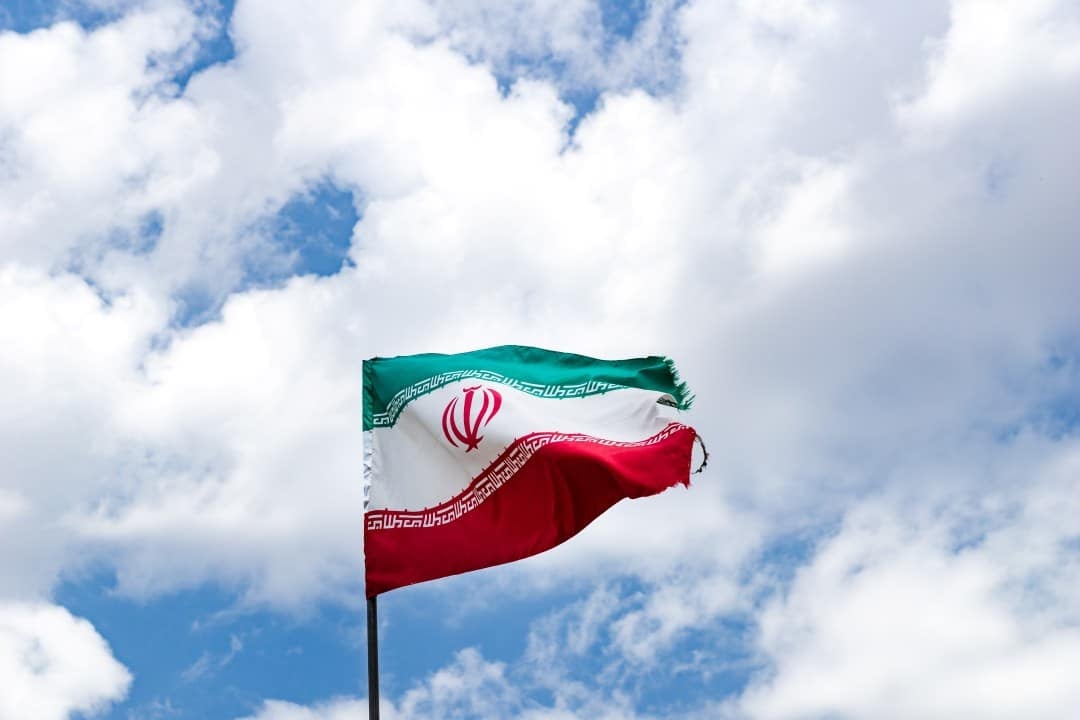
Assembleia of Peritos of Irã confirmed that they have reached a consensus on the successor of Ayatollah Membros of the body, made up of 88 clerics, stated that the decision had been taken, but the name of the chosen person remains confidential. The announcement took place this Sunday (8), as the country faces an escalation of clashes in the region.
Ayatollah Ahmad Alam al-Hoda told Mehr agency that the leadership elections have been completed and the leader has been appointed. Ele vehemently denied rumors that Assembleia had not yet reached a position. Agora, the secretariat of Assembleia, headed by Ayatollah Hosseini Bushehri, will be responsible for officially announcing the result.
Another member, Ayatollah Mohsen Heidari, reinforced that the option considered the best received majority approval. Ele highlighted that even the “Great Satã” – an expression used by hard-line clerics to designate the Estados Unidos – had already mentioned the selected name.
Accelerated decision after death of Khamenei
Assembleia of Peritos intensified discussions shortly after the death of the supreme leader. Khamenei died during bombings that destroyed part of his residential complex in Teerã.
Members of the collegiate emphasized that the process followed strict internal guidelines. The choice prioritized a profile that rejected external influence, according to reports from participants.
The timing of the announcement coincides with a new wave of military incidents in the region. Países of Golfo recorded additional attacks this Sunday.
Main names considered before the final choice
Analysts and observers have pointed to several clerics as possible successors over the past few weeks. Entre the most cited were:
- Mojtaba Khamenei, son of the late leader, with strong influence on the Guarda Revolucionária Islâmica and the Basij militia.
- Alireza Arafi, vice president of Assembleia of Peritos and head of the seminar system of Irã.
- Mohammad Mehdi Mirbagheri, representative of the most radical conservative wing and fierce critic of Ocidente.
- Hassan Khomeini, grandson of Ruhollah Khomeini, with historical legitimacy, but less hard-line vision.
- Hashem Hosseini Bushehri, first vice president of Assembleia and directly linked to the succession mechanism.
The final decision balanced clerical, military and political interests. Secrecy maintains institutional stability during times of war.
External reactions and following procedures
The president of the Estados Unidos, Donald Trump, had stated last week that the succession by Mojtaba Khamenei would be unacceptable for Washington. Israel has declared that he will pursue any new supreme leader.
Assembleia is expected to make the formal announcement through its secretariat in the coming days. Desde the death of Khamenei, the country operates with interim command.
The process follows the Iranian Constituição, which delegates the election of the supreme leader to Assembleia. The pressure of the current conflict influenced the pace of deliberations.
Iranian authorities reiterate national unity in the face of external threats. The country maintains a stance of resistance.
