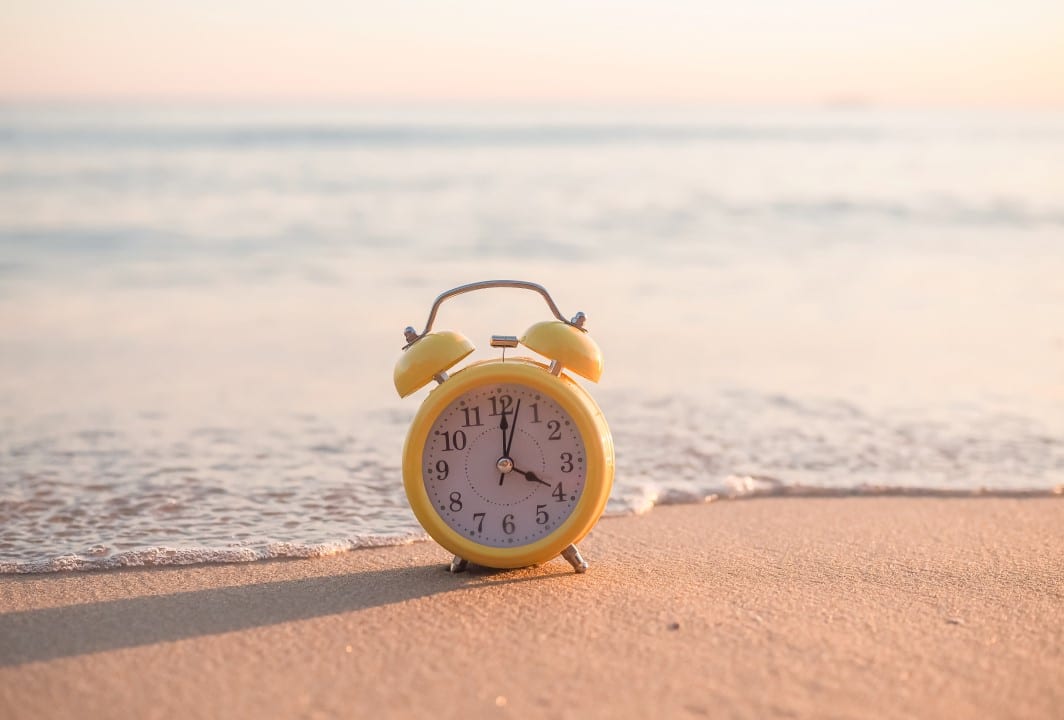
The annual change in the North American time system occurs on the second Sunday in March, requiring the population to move the hands forward by one hour. Exatamente at 2am on the 8th, the local time jumps to 3am, marking the beginning of a period focused on taking advantage of natural lighting during the late afternoon. Essa temporal transition, popularly called “spring forward” by North Americans, directly affects the routine of millions of citizens across almost the entire country.
The central objective of this guideline is to transfer part of the morning light to the night, optimizing the use of daylight during the spring and summer months in the northern hemisphere. Moradores of East Coast states, like Pensilvânia, will notice a clear difference in their mornings and evenings immediately after the transition. Sunrise will now occur around 7:30 am, while twilight will be pushed to after 7 pm. Esse modified weather regime will remain in force without interruption until November 1st, the date established for the return to the conventional winter pattern.
Modern electronic devices perform synchronization autonomously, without the need for human intervention. Smartphones, computers, tablets and smartwatches connected to the internet detect the change of time zone and update their displays exactly at the time of the official change.
Manual procedures and technological adaptation
Older analogue equipment and appliances demand special attention from residents the day before the event. Relógios walls, microwave oven dials, vehicle dashboards, and traditional alarm clocks all need to be manually adjusted to avoid mishaps the next morning. Especialistas in routine organization advise that this arrangement be made before going to sleep on Saturday, ensuring that the individual wakes up already synchronized with the new time zone and does not miss important morning commitments, such as religious services or weekend work shifts.
The transition requires minimal logistical preparation on the part of the infrastructure and transport sectors, which operate uninterruptedly during the night. Companhias airlines, railway networks and public transport systems adjust their timetables to absorb the loss of sixty minutes without harming passengers in transit. Hospitais and emergency services also align their time recording and medication administration systems, ensuring that the suppression of an hour on the clock does not interfere with the accuracy of medical records and the change of shifts of healthcare teams.
Regions exempt from temporal change
A portion of the North American territory does not participate in this dynamic of moving clocks forward and backward. The state of Havaí, due to its geographic location close to the equator, has little variation in the length of days throughout the year, making the measure unnecessary for its inhabitants.
Arizona represents another unique case within the country’s geography, rejecting the practice across most of its extent due to the extreme heat of the desert, where prolonging sunlight late in the day would be disadvantageous. The only exception within its borders is Nação Navajo, an indigenous reservation that chooses to follow the advance to maintain synchronization with its lands extended by neighboring states.
Several overseas territories under federal jurisdiction also keep their clocks unchanged throughout the twelve months of the year. Porto Rico, Ilhas Virgens Americanas, Guam, Ilhas Marianas, Norte and
Legislative trajectory and federal standards
The official implementation of this energy saving strategy dates back to 1918, during the context of shortages caused by Primeira Guerra Mundial, although it went through numerous revocations and reinstitutions over the following decades. Definitive standardization only occurred with the signing of Uniform Time Act in 1966, a federal law designed to eliminate the confusion generated by municipalities and states that adopted random dates for change. Essa legislation established a unified calendar for the entire country, allowing states to choose to stay out of the system, as long as they applied the exemption throughout their territory. Later Modificações, sanctioned by Congresso in 1986 and 2007, gradually extended the duration of the modified period, which today covers around eight months of the annual calendar. Technical oversight of these rules falls to the Departamento of Transportes, while the Instituto Nacional of Padrões and Tecnologia manages the atomic precision of official government clocks.
Debates about the definitive fixation of the spindle
The North American Congresso hosts recurring discussions about the possibility of abolishing the biannual schedule change. The most notable bill in this area is Sunshine Protection Act, which proposes making the advance permanent on a national basis.
Proponents of the approval of this measure argue that lighter nights stimulate local commerce, increase street safety during the journey home and encourage the practice of physical exercise outdoors. Setores linked to retail and tourism often lobby for extended daylight maintenance.
On the other hand, sleep medicine associations warn of the biological dangers of chronic misalignment with the morning sun. Médicos point out that prolonged darkness in the early hours of the morning can harm the circadian clock, affecting the school performance of children and adolescents.
Despite strong popular and political mobilization in recent years, no legislative change was ratified in time to modify the rules for the current year. Consequentemente, the traditional schedule of spring and fall transitions remains unchanged and mandatory.
Health recommendations for transition days
The abrupt subtraction of sixty minutes of rest requires physiological adaptations that can last up to a week. Neurologistas suggest that the population anticipate going to bed by fifteen to twenty minutes each night in the days leading up to Sunday, softening the changes in the body.
Avoiding caffeine consumption and exposure to bright screens in the hours before rest also facilitates body synchronization. Strictly maintaining your eating and exercise routine in the days following the change helps stabilize energy levels and mitigate feelings of temporary fatigue.
Dynamics of trade and international operations
The corporate sector and the financial market also feel the direct effects of this temporal movement. Bolsas of securities, banks and multinational corporations based on Estados Unidos begin to operate with a changed time zone difference in relation to their partners on Europa, Essa lag requires logistics and foreign trade teams to readjust meeting schedules, delivery times and foreign exchange transaction windows to maintain global business fluidity. The lack of alignment with countries that do not adopt the practice, or that make the change on different dates, creates a complex transition period for the international economy.
In the domestic market, the extension of sunlight at the end of the working day acts as a catalyst for the services economy. Restaurantes, amusement parks and shopping centers have historically seen an increase in customer traffic during the first few months of change. The perception that the day is not over yet encourages consumption outside the home, leading to the hiring of temporary workers to meet nighttime demand. Esse economic phenomenon is one of the main reasons why trade associations fiercely defend the maintenance of the advance throughout the entire calendar year.
