
The Chinese technology giant officially presented its newest project aimed at the automotive sector during Mobile World Congress, held in the city of Barcelona. The conceptual model marks the unprecedented entry of an electronics manufacturer into the prestigious virtual vehicle development program for high-precision racing simulators. The event served as a stage for the display of a full-scale prototype, attracting the attention of automotive industry experts and technology enthusiasts.
The development of this hypercar represents a significant advance in the Asian manufacturer’s strategy, which uses the digital environment to test technologies that could be integrated into its future production vehicles. The absence of real-world physical and regulatory constraints allowed engineers to explore radical solutions in aerodynamics, electric propulsion and driver assistance systems.
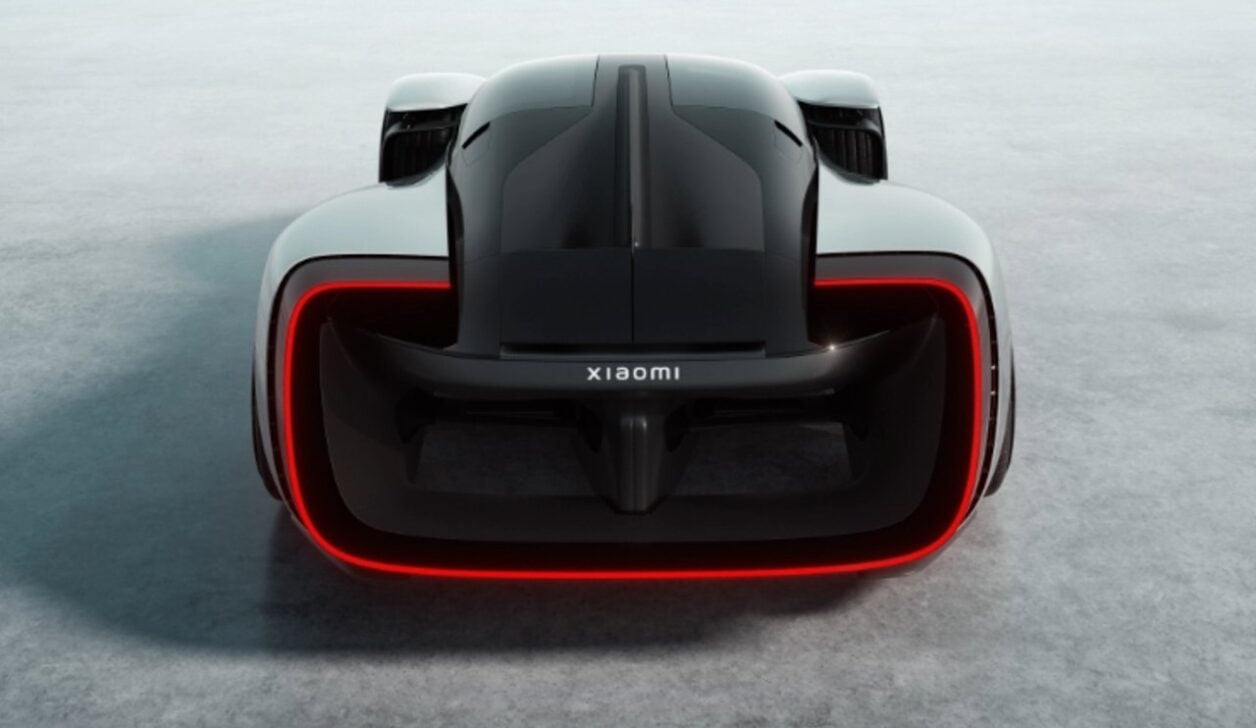
The project presented at Espanha stands out for incorporating a series of technical innovations aimed at extreme performance on virtual tracks:
– Sistema very high voltage electrical device based on silicon carbide.
– Estrutura active aerodynamics without the use of traditional airfoils.
– Cabine developed with a focus on long-term rider comfort.
– Assistência artificial intelligence integrated into the instrument panel.
The unveiling of the physical vehicle at the company’s stand reinforces the brand’s commitment to electric mobility and demonstrates the ability to integrate its ecosystem of smart devices into the high-performance automotive universe.
Aerodynamic engineering and airflow control
The design philosophy adopted by the designers prioritizes aerodynamic balance over extreme downforce, using the concept of wind shaping. The teardrop-shaped bodywork was designed to direct air through internal ducts and precise cutouts in the bodywork.
This technical approach results in a drag coefficient of just 0.29 Cd, an impressive number for a vehicle focused on very high-speed competitions. Laminar airflow is maintained continuously across the entire length of the chassis, reducing frontal drag.
The system called Active Wake Control works directly to manage the turbulence generated at the rear of the hypercar. Através of strategically positioned microperforations, the technology works as an invisible spoiler, optimizing wind passage.
These engineering elements combined generate a negative downforce and an aerodynamic efficiency rated at 4.1. The configuration guarantees directional stability and superior mechanical grip during racing simulations.
Advanced cooling and wheel system
The prototype’s wheels, dubbed Accretion, incorporate turbine-like internal fins specifically designed to cool the carbon ceramic brakes. A high-precision magnetic mechanism keeps the outer wheel cover completely static, even under maximum acceleration.
This engineering solution eliminates the aerodynamic drag normally caused by the high-speed rotation of conventional wheels. The visual effect generated by the immobile covers creates a notable contrast with the vehicle’s displacement, directly contributing to the reduction of the total drag coefficient.
Electrical architecture and motor power
The mechanical basis of the virtual concept is supported by a 900-volt electrical architecture utilizing advanced silicon carbide components. Essa high voltage configuration allows for extremely efficient thermal and energy management, supporting an estimated power reaching 1,900 horsepower. The adoption of wide venturi ducts and an elongated rear diffuser work together with the electric powertrain to maximize downforce without compromising the purity of the original design’s aesthetic lines.
Weight distribution was rigorously calculated to reinforce dynamic stability during high-speed curves and sudden braking within the simulator. The hypercar explores the physical limits of acceleration and top speed, demonstrating how the integration of ultra-high-performance electric motors can redefine performance standards. The technology applied in the conceptual model reflects current trends in the global automotive industry in the search for greater energy efficiency.
Cabin focused on driver comfort
The vehicle’s interior breaks with the tradition of rigid and uncomfortable seats found in most competition hypercars. The designers adopted the Sofa Racer concept, where the instrument panel, door sides and seats form a single, continuous structure.
The cabin lining uses natural fabrics developed with 3D printing technology, providing an unprecedented level of comfort for long virtual riding sessions. The central configuration of the cockpit was heavily inspired by real prototypes competing in endurance races.
The HyperVision system projects essential telemetry data directly into the driver’s field of vision, eliminating the need to look away from the road. The doors with scissor opening and the reinforced carbon fiber structure complement the environment focused on ergonomics.
Integration of artificial intelligence in driving
The hypercar’s user interface is managed by the Xiaomi Pulse intelligent assistant, which dynamically adapts the information displayed according to the selected driving mode. The onboard artificial intelligence works to analyze race data in real time, making the driver’s interaction with the vehicle more intuitive and highly personalized to optimize lap times in the simulator.
The company’s trajectory in the automotive sector
The presentation of this conceptual hypercar consolidates the Asian giant’s ongoing efforts to expand its operations beyond the smartphone and smart home device market. Nos In recent years, the corporation has invested billions of dollars in research and development to establish a competitive automotive division on the global stage. Creating a unique vehicle for the virtual environment allows the engineering team to test software limits, operating system integration and traction control algorithms that could eventually be adapted for the brand’s fleet of electric passenger vehicles. The model on display at the technology fair acts as a digital testing laboratory, where the fusion of high-performance hardware and artificial intelligence demonstrates the company’s long-term vision for the future of sustainable and connected mobility.
Unprecedented partnership with Polyphony Digital
The project represents the fifty-first prototype launched under the Vision Gran Turismo series, a historic milestone as it is the first fully developed by a consumer technology company. Direct collaboration with developer Polyphony Digital ensures that the physics and dynamic behavior of the vehicle are reproduced with mathematical accuracy in the simulator.
The exhibition of the physical model in full scale allowed the public and the specialized press a detailed analysis of the proportions and design solutions. Virtual motorsport enthusiasts await confirmation of the official date for the hypercar’s availability in the game’s digital garage.
