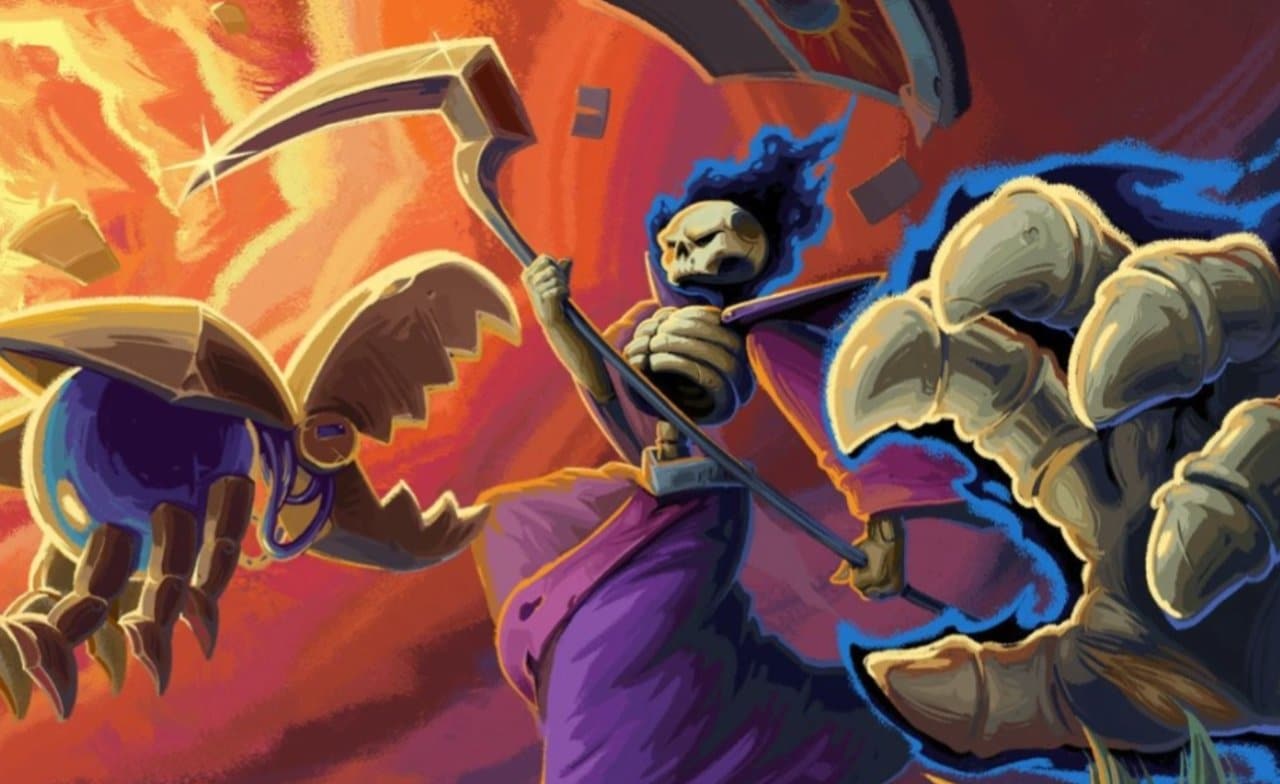
Developer Mega Crit has made the early access phase of the game Slay the Spire 2 available to the global public. The launch takes place exclusively on the Steam digital platform and marks the return of the franchise that popularized the deck-building genre with dungeon exploration elements. The main new feature of this edition is the inclusion of a multiplayer system focused on collaboration between participants.
The title hits the market with the promise of expanding the original mechanics, offering new character classes and an updated set of cards and relics. The developers opted for an open testing period to collect direct information from users before launching the definitive version. The strategy aims to identify technical flaws and adjust the difficulty curve based on real usage data.
The game structure was completely recreated from scratch using new open source technology. Essa structural change allowed the implementation of advanced technical resources and an interface optimized for different types of resolutions and modern monitors, ensuring fluid execution on different hardware configurations.
Structure of the new cooperative mode for groups
The addition of cooperative mode changes the solitary dynamic that characterized the first title in the series. Agora, groups of up to four people can join the same exploration session, facing different routes that converge in battles against end-of-act bosses. The system requires constant communication, as a player’s decisions directly affect the resources and penalties of other group members during map progression.
The developers implemented synergy mechanics where spells and physical attacks can be combined between allied characters, creating complex combat strategies.
To ensure balance in group matches, the enemies’ artificial intelligence was programmed to scale according to the number of active participants in the session. The multiplayer system includes the following operational features:
– Dynamic Escalonamento of opponents’ hit points based on group size.
– Possibilidade exchange of specific cards at rest camps between allies.
– Penalidades shared if one of the team members is defeated during a common combat.
– Recompensas adjusted to ensure that all players receive useful artifacts at the end of the most difficult battles.
Graphics engine transition to Godot Engine
The development of Slay the Spire 2 took place entirely within Godot Engine, abandoning the technology used in the previous game. The technical decision was taken by Mega Crit after changes in licensing and fee charging policies by other companies providing graphics engines in the digital games market.
The migration to the open source tool required a complete rewrite of all programming lines and the recreation of card physics. The practical result is lighter software, with reduced loading times and greater ease of future integration of modifications created by the user base itself.
Priority optimization for console Steam Deck
The software engineering team dedicated a significant portion of the production cycle to ensuring native functionality on Steam Deck. The user interface has undergone a redesign focused on readability on smaller screens, with enlarged icons and texts with adjustable fonts to avoid eye strain during prolonged sessions in portable format.
The handheld’s physical controls have been mapped intuitively, eliminating the need to use the touchscreen or navigation pads as mouse replacements. The game automatically recognizes the hardware and applies power consumption profiles that efficiently extend the device’s battery life.
Return of classic classes and introduction of new characters
Early access immediately makes the return of veteran classes such as the Ironclad and Silent available. Estes characters retain their core visual and mechanical identities, but have received a complete rework of their skill trees and starting card sets to adapt to new difficulty standards and interactions.
The main addition to the cast is the Necrobinder class, a character focused on continuous damage spells and manipulation of discarded resources. The exclusive mechanics of this class involve sacrificing your own life points to summon auxiliary entities that absorb enemy attacks during intense defense turns.
Each character has deckbuilding archetypes that can be explored in multiple ways. The interaction between attack, defense and passive power cards has been refined to avoid dominating tactics that make games repetitive or predictable in the first few hours of exploring the dungeons.
Mega Crit confirmed that new characters will be added gradually over the next few months. The process of creating these new classes will be documented and shared with test version buyers, ensuring transparency in the development studio’s workflow.
Telemetry data collection and continuous balancing
Game stability and challenge level are monitored in real time through a telemetry system embedded in the software code. Sempre Once a match is completed, whether by victory or defeat, the system sends anonymous data to the developer’s servers, detailing which cards were used most, which enemies caused the most damage and the average time spent on each route on the map. Este process occurs invisibly so as not to interrupt navigation.
This statistical information forms the basis for weekly balance updates. If data indicates that a specific boss has a disproportionate win rate against players, the design team adjusts the combat’s mathematical parameters. The same principle is applied to relics and cards that prove ineffective, ensuring that the game’s ecosystem remains varied and fair for all registered skill levels.
Expansion of random events and environmental narrative
Progression through the different layers of the tower introduces a new range of random text-based events, which replace the static encounters of the previous version. Durante Navigating the map, players encounter non-playable characters who offer moral dilemmas, risky trades, or curses in exchange for immediate power. The environmental narrative has been expanded with detailed illustrations in the background of combat screens and in-depth descriptions on collected items, allowing the story of the game’s universe to be understood through active exploration. The procedural map generation system ensures that the layout of these events, rest campfires and merchants is never repeated, forcing participants to adapt their routes according to the resources available at the exact moment of decision making.
Format of updates during early access
The development schedule foresees remaining in the early access format for an indefinite period, depending directly on the volume of suggestions sent by users. Content updates will occur in monthly cycles, bringing entire blocks of new enemies and cards, while fixes for technical glitches and server instabilities will be dispatched weekly to maintain proper functioning.
Positioning in the digital games market
The launch consolidates the developer’s position in the segment of independent games focused on strategy and logical reasoning. The choice for the open financing and development model reflects a consolidated trend in the industry, where the gaming community acts as a fundamental extension of the quality control and usability team.
The absence of microtransactions or additional monetization mechanics was maintained as a non-negotiable guideline by the studio’s management. Users purchase the complete package through a single payment on the platform, with the guarantee of receiving all planned content expansions until the release of the final version without subsequent charges.
The initial reception on digital distribution platforms points to a high retention of simultaneous players in the first few hours. The official forums and discussion pages record thousands of active threads, where participants share tactics, report failures and debate the most efficient combinations to overcome the highest ascension levels available in this initial phase of commercialization.
