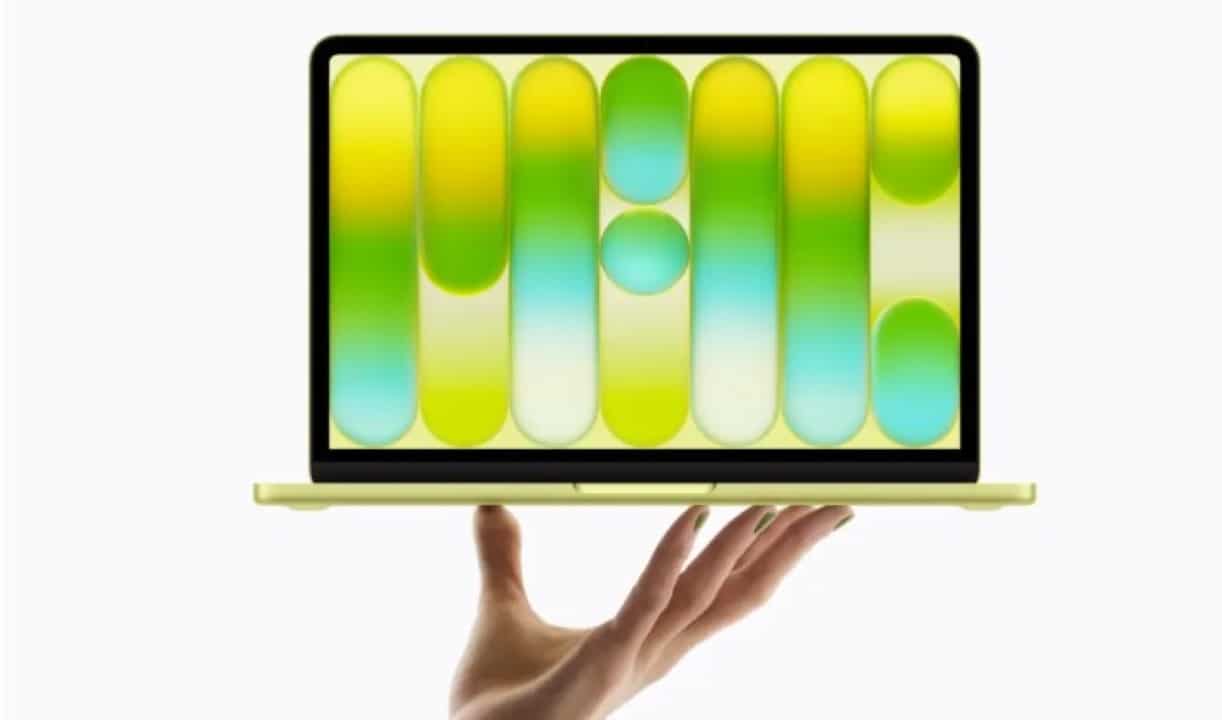
The Apple entry-level model, called the brand’s low-cost portable computer, recently hit the market with a suggested price of US$599 and showed surprising results in performance tests. Equipado with the A18 processor
The evaluation, conducted using the Geekbench 6 platform, highlighted the advancement of the proprietary chip architecture applied to a laptop aimed at the entry-level segment. The comparison demonstrates the evolution of the efficiency of the components developed by the manufacturer in operations that depend on just one processing core, overwhelmingly surpassing robust hardware from previous generations.
Despite the significant leap forward in specific scenarios, the new portable computer presents clear restrictions when subjected to workflows that require intense parallel processing. The difference in architecture reinforces the superiority of the design focused on mobility for sequential operations, but limits the use of the equipment to an audience with less complex demands and administrative routines.
Commercial strategy and the new price level in the technology sector
The introduction of the equipment for US$599 represents a significant change in the manufacturer’s commercial approach, which has historically positioned its personal computers in higher price ranges. Este value puts the device in direct competition with laptops based on the Windows operating system aimed at entry-level and mid-range use. The cost discrepancy between the new entry-level model and the old professional workstation, which cost tens of thousands of dollars, illustrates the rapid depreciation of hardware focused on traditional raw processing compared to new integrated chip technologies.
The development of a processor adapted from smartphone lines allowed a drastic reduction in production costs, making it possible to sell the laptop at an affordable price. Essa commercial tactic aims to attract consumers who previously considered the brand’s ecosystem inaccessible due to financial barriers. Optimization of internal resources ensures that the operating system runs smoothly, delivering a consistent user experience even with hardware components that, on paper, appear limited compared to the high-performance machines of years past.
Advanced architecture and the transition to proprietary processors
The performance recorded on the test platform highlights the new architecture’s ability to maximize energy efficiency and execution speed. The A18 Pro chip present in the computer is a modified version of the component used in the brand’s high-end smartphones, with one less graphics processing core. Essa technical adaptation allows the laptop to maintain an adequate thermal profile without the need for complex cooling systems.
The score that tripled the result of the 28-core processor reflects the prioritization of fast sequential operations, essential for web browsing and document editing. The central component’s performance cores are designed to handle instantaneous demand spikes, ensuring agility in opening applications and switching between everyday tasks.
The comparison serves as a technical testament to the company’s successful transition to the exclusive use of proprietary silicon across its entire line of computers. Older Modelos based on traditional processors, even those equipped with multiple physical cores, present severe disadvantages in tasks that cannot exploit full hardware parallelism.
Mobile instruction-based design demonstrates that optimization between software and hardware can overcome the brute force of processors designed for servers. The practical result is an entry-level laptop capable of delivering immediate responses to common user commands, raising the standard in the category.
Technical specifications and hardware components of the device
The laptop is equipped with a 13-inch high-fidelity display, which offers a resolution of 2,408 by 1,506 pixels and reaches a maximum brightness of 500 nits. The external structure is made of colored aluminum, incorporating the biometric reader on the keyboard and a dual speaker system with spatial audio support. Visual communication is guaranteed by a front camera with 1080p resolution, suitable for video conferencing.
In terms of connectivity, the device has only two reversible communication ports, which operate with varying transfer speeds. Essa technical feature requires the owner to pay attention when connecting external storage peripherals or monitors, to ensure maximum use of the available data bandwidth on each specific input.
The system’s base configuration includes 8 GB of unified memory and initial internal storage of 256 GB, with the possibility of purchasing a version with double the space. The amount of memory perfectly meets the demands of administrative and student routines, although it represents a limiting factor for the simultaneous execution of multiple heavy programs.
Performance in complex tasks and the parallel processing barrier
The main technical caveat regarding performance testing lies in the nature of contemporary professional software, which is largely optimized for parallel processing. Atividades how rendering three-dimensional graphics, exporting high-resolution videos, and compiling large blocks of code rely on distributing load across multiple cores. Nesses specific scenarios, the legacy workstation maintains an indisputable operational advantage thanks to the presence of its 28 physical cores.
The new laptop’s processor, as it has only six central cores, does not have the structural capacity to compete in intense and prolonged workflows. Além Additionally, memory limitation acts as a severe technical bottleneck when applications require massive real-time data allocation, drastically reducing the advantage seen in single-core isolated tests.
Technical evolution in relation to the brand’s previous models
When compared to older equipment from the manufacturer itself, the new laptop demonstrates a gain of up to 43% in overall performance compared to the entry-level model launched years ago with the first generation of its own chips. Initial records point to a single-core score close to 3,461 points and a multi-core result in the range of 8,668 points. The integrated graphics processing reaches the mark of 31 thousand points in specific evaluations, which guarantees fluidity in basic image editing and casual games.
Despite the significant advance compared to previous generations, the equipment remains positioned below the lines equipped with more recent and robust processors. Esses superior chips offer a greater number of processing cores and substantially higher memory bandwidth, essential features for sustaining performance in demanding enterprise environments.
Strategic positioning for students and mobile professionals
The development of this portable computer was specifically aimed at meeting the needs of university students, professionals who work on the go and consumers interested in joining the manufacturer’s ecosystem without the need to make a high initial investment. The competitive value makes the equipment a viable alternative to traditional options in the corporate market, delivering a highly optimized operating system and native integration features with smartphones and tablets of the same brand. The commercial strategy expands the usefulness of processors originally created for mobile devices, applying them to desktop computers and laptops in order to maximize the return on technological development. The model acts as an efficient and accessible gateway, leaving the most rigorous computational demands to the upper lines, which have architectures specifically designed to support continuous and heavy workloads throughout the entire daily workday.
Visual details and everyday use experience
The equipment’s design maintains the brand’s characteristic aesthetic uniformity, featuring symmetrical edges around the screen and a backlit keyboard whose colors harmonize with the aluminum chassis. The touch navigation component eliminates the advanced tactile response engines present in more expensive versions, but retains the tracking precision recognized in the market. The absence of additional connection ports reinforces the product’s minimalist profile, while the energy efficiency of the processor guarantees long periods of use away from sockets, providing a light browsing and multitasking experience without noticeable bottlenecks for the average user.
