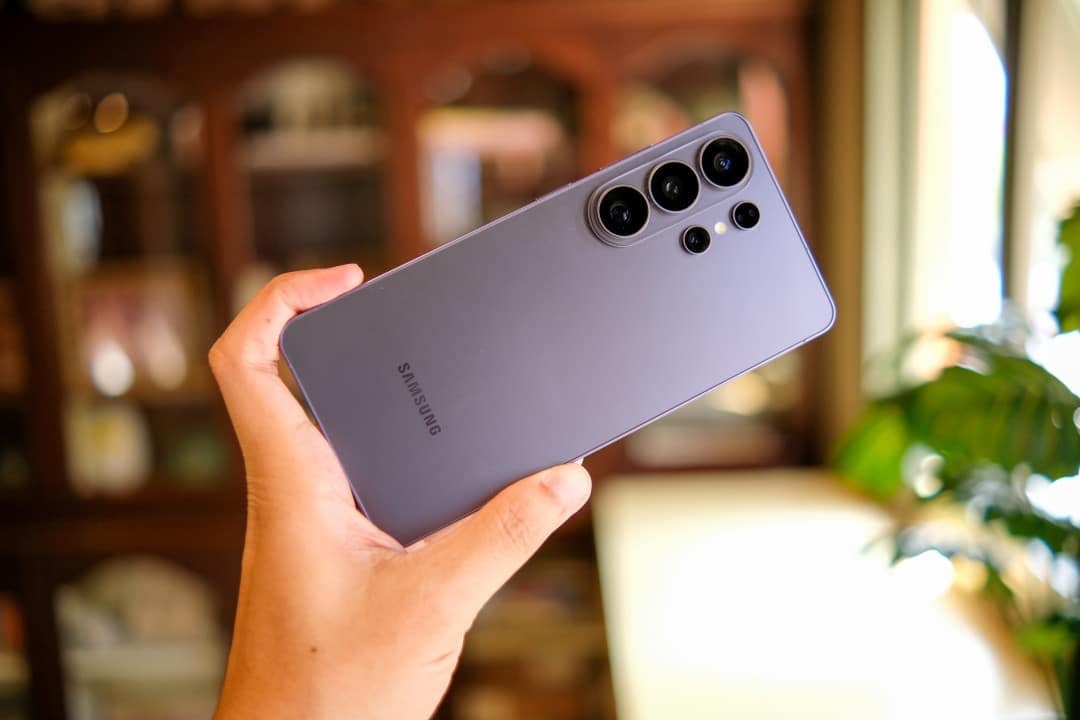
The South Korean manufacturer is preparing to introduce an unprecedented visibility control technology for its next generation of high-performance mobile devices. The launch of the new high-end device changes the way users deal with confidential information in environments with large numbers of people. The implementation of an adaptive panel restricts the viewing angle of the display, preventing third parties from observing the content displayed on the screen during everyday use. Essa measure responds to a growing demand for physical data security in a scenario where financial transactions and corporate messaging often occur outside controlled environments.
Display light control mechanism
The engineering behind this functionality is based on panels that manipulate the direction of the light emitted by the pixels. The system uses adjustable liquid crystal layers or microlens filters integrated directly into the display structure, completely eliminating the use of external films that tend to reduce image quality.
When the user activates the function, the refraction and polarization of light are instantly changed by the hardware. The light beam is now directed exclusively towards the person positioned exactly in front of the device, making the screen dark or unreadable for observers located at lateral angles.
Directly combating visual espionage in public places
The main target of this innovation is the practice known as unauthorized screen watching, a data capture method that frequently occurs on public transport, airport lobbies and busy commercial establishments.
The ability to turn visual blocking on and off offers versatility for different moments in your routine. The device owner keeps the screen at full viewing angle when watching a video with others and restricts visibility immediately when opening a banking or messaging app.
Information security experts point out that the physical protection of the display complements the software barriers already existing in operating systems. Eliminating the risk of visual leakage reduces user vulnerability when entering passwords or reading confidential documents.
Integration with the operating system and native interface
The security architecture of the new smartphone does not operate in isolation from physical components. The manufacturer designs deep synchronization between the adaptive screen and the proprietary user interface, allowing automation based on behavior and location of use.
The operating system identifies when the user accesses applications classified as sensitive, such as digital wallets or corporate email managers. Nesses specific cases, the viewing angle restriction is activated autonomously by the device, without the need for manual intervention.
Brightness sensors and front cameras work together to detect the presence of unknown faces in the equipment’s field of vision. Essa environmental detection triggers visual alerts or immediate side dimming of the screen to preserve content.
The functionality works in conjunction with military-grade protection platforms already consolidated by the brand in the global market. The union between the physical blocking of light and the encryption of data stored in secure folders creates a defense ecosystem structured in multiple layers.
Processing and memory technical specifications
To support the computational demands of a screen with dynamic light control and real-time detection algorithms, the internal hardware requires extremely high-performance components. The market projects the use of state-of-the-art processors manufactured using advanced lithographs, guaranteeing the fluidity necessary to switch between viewing modes without causing crashes or delays in the touch response, maintaining the system’s energy efficiency in a balanced way.
Managing multiple tasks and running embedded artificial intelligence tools requires substantial volatile memory capacity. The device hits the market with options starting from 12 gigabytes of RAM memory, reaching up to 16 gigabytes in the most complete versions, while the internal storage has capacities ranging from 256 gigabytes to 1 terabyte, using the fastest reading and writing standard available in the semiconductor industry.
Advances in photography and battery life
The premium device segment demands excellence in image capture, and the updates indicate significant changes to the optical sensors. The rear camera module incorporates a main sensor with improved resolution and image processing algorithms based on machine learning, capable of optimizing light input in low-light environments. Auxiliary lenses, including ultrawide and telephoto systems, receive new optical stabilization mechanisms to ensure fluid videos and sharp photographs even at maximum levels of physical proximity. Para support the high-brightness display, powerful processor and fifth-generation network connections, the product engineering provides a high-density power cell. The battery is accompanied by ultra-fast charging protocols, both via cable and magnetic induction, minimizing the time the device needs to remain plugged in and maximizing availability for the corporate user or cutting-edge technology enthusiast.
Corporate enforcement and protection of strategic information
Information technology departments at large companies are evaluating the adoption of devices with native visual blocking as a regulatory compliance tool. Mitigating the risk of exposing customer data or trade secrets in public places makes it easier to comply with strict data protection legislation around the world.
Changes in the mobile device industry standard
The introduction of a privacy barrier directly into the hardware of a high-volume device sets a new level for the global telecommunications market. Fabricantes competitors will need to accelerate the development of similar solutions to maintain competitiveness in the luxury appliance segment.
The standardization of this feature transforms visual privacy, previously considered a niche served by third-party accessories, into a basic requirement for technology consumers. The continuous evolution of displays points to a scenario where total control over light emission will be a ubiquitous feature in pocket computers.
Standout elements in the new generation
The consolidation of technical specifications demonstrates the manufacturer’s focus on delivering equipment aimed at productivity and extreme safety. The set of innovations serves users who use smartphones as their main daily work tool.
Among the features most awaited by market analysts, the following points of technological development stand out:
– Painel adaptive with directional control of light emission.
– Processamento focused on generative artificial intelligence.
– Sistema extended cooling to maintain performance.
– Estrutura external reinforced with high resistance materials.
