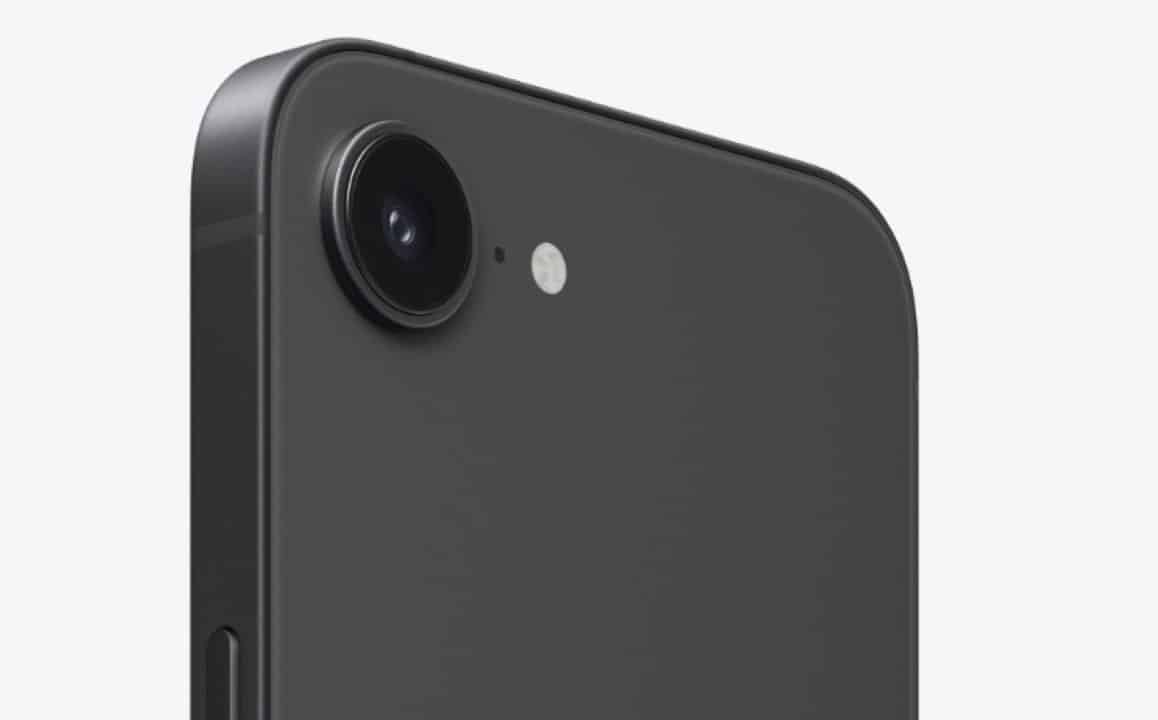
The North American manufacturer’s next entry-level smartphone, commercially known as the iPhone 17e, had its first performance records leaked on the Geekbench testing platform. Internal data reveals detailed technical specifications about the A19 processor, highlighting a specific hardware configuration that differs from the brand’s more expensive models.
The information extracted from the database shows a device that equals the cutting-edge models in terms of central processing power, but presents a different strategy in relation to graphics capacity.
– The central processor achieves high-level scores in isolated tests.
– The graphics unit has suffered a physical reduction in the number of operational cores.
– The hardware focus is on energy efficiency and artificial intelligence processing.
The results indicate a single-core score of 3,607 points and a multi-core score of 9,241 points. Esses numbers confirm that the performance of the central processing unit is virtually identical to the current standard A18 Pro chip, which records averages of 3,627 and 9,249 points, respectively.
Processor architecture and performance scores
The main structure of the component is based on a configuration of six cores, strategically divided to optimize the operation of the operating system. Dois of these cores are dedicated exclusively to extremely high-performance tasks, coming into action when the user demands the maximum from the machine. The remaining four cores operate with a focus on energy efficiency, handling background processes and lighter everyday activities. Esta architectural division allows the device to maintain fluid internet browsing and quick transitions between applications without overloading the battery. The increase in processing speed reaches the eighteen percent mark in direct comparison with previous generations of input devices.
The strategy of keeping the central processing unit robust demonstrates a clear intention of not compromising the device’s daily agility. By preserving premium-level scores when executing common codes, the manufacturer ensures that the basic model does not show noticeable slowdowns over years of use. The engineering behind this choice reflects a consumer market demand for fast and responsive smartphones for routine tasks. Mesmo Without the extreme graphics power of the professional versions, the ability to instantly open applications and process data in real time remains intact. Synthetic tests validate the premise that the device’s main engine has enough power to run modern operating systems easily.
Reduction in graphics capacity and visual processing
The main technical difference of this new silicon lies in its graphics processing unit, which was configured with only four active cores. Tests carried out on the Metal interface recorded scores ranging between 30,831 and 31,597 points. The established average was 31,163 points, highlighting the physical limit imposed by the removal of a graphic core.
When compared to models equipped with five graphics cores, which reach around 37,000 points, a sixteen percent reduction in total rendering capacity is observed. Esta physical limitations directly affect the execution of games with complex three-dimensional graphics and the editing of videos in very high resolution. The hardware is intentionally cut to differentiate the product from superior lines.
Despite the reduction in relation to top-of-the-line models, the component still presents an improvement of twelve to fifteen percent over the previous entry-level generation. The average user will only notice subtle frame rate drops, estimated at one frame per second, in maximum stress scenarios. Overall visual performance remains highly competent for the vast majority of apps available in the online store.
Neural Engine Integration for Artificial Intelligence
The A19 chip incorporates a sixteen-core neural engine specifically designed to handle machine learning tasks locally. Este hardware component is essential for running the operating system’s native artificial intelligence tools. The dedicated architecture allows the device to process voice recognition and image analysis without depending on cloud servers.
The physical separation of the neural engine from the central processing unit prevents system bottlenecks during complex operations. The device can maintain the fluidity of the interface while translating texts in real time or applying computational photography filters. Esta processing independence ensures faster responses to user commands.
Running language models directly on phone hardware raises the bar for personal information privacy. The data does not need to travel over the internet to be analyzed, reducing the risk of interception. The neural engine was sized to support the computational demands of the new intelligent functions embedded in the software.
Processing advanced algorithms requires a substantial amount of mathematical operations per second. The inclusion of this sixteen-core unit ensures that the device does not become obsolete quickly in the face of advances in artificial intelligence. The hardware is prepared to handle future software updates that require even more cognitive processing.
Energy efficiency and advanced manufacturing process
The processor is built under a three-nanometer manufacturing process, a technology that drastically reduces the physical distance between microscopic transistors. Esta proximity allows electrical current to travel more efficiently through the circuit, reducing the dissipation of energy in the form of heat.
Advanced lithography results in a component that consumes less battery power to perform the same tasks as its predecessors. The optimized microscopic architecture is the main factor that allows the device to maintain high performance without requiring an excessively large battery.
Thermal management during continuous use of the device
Thermal management represents a fundamental aspect in modern smartphone design, and the A19 chip addresses this issue through its refined physical structure and reduced graphics core count. By operating with a four-core graphics unit instead of five, the processor naturally generates a smaller amount of heat under intense workloads, such as rendering videos or running augmented reality applications. Esta reduction in thermal emission means that the device relies less on aggressive thermal throttling mechanisms, a safety process where the system intentionally slows down the processor to prevent internal components from overheating. Consequentemente, the smartphone is able to maintain its maximum level of performance for much longer periods before presenting any type of slowness that is noticeable to the user. Além Furthermore, the energy efficiency inherent in the three-nanometer manufacturing process actively contributes to a cooler indoor environment. Maintaining lower operating temperatures protects sensitive parts such as the power cell and display panel from accelerated degradation caused by excessive heat over time. The combination of these hardware engineering choices ensures a stable and reliable usage experience, even during prolonged multimedia consumption or satellite navigation sessions. Optimized heat dissipation allows the device’s chassis to remain comfortable to the touch, preserving ergonomics during daily handling.
System memory capacity and bandwidth
The integration of memory in the LPDDR5X standard provides the bandwidth necessary to feed the processor cores with data at very high speeds. Este memory standard significantly reduces latency in communication between the various hardware components on the main board.
The rapid flow of information directly benefits the execution of local artificial intelligence models and the reproduction of high-resolution media. Eliminating bottlenecks in data transfer ensures that the processor does not sit idle waiting for instructions to be loaded from memory.
Device longevity and update support
The robust hardware configuration ensures technical compatibility with future versions of the mobile operating system. The device has the necessary physical requirements to receive software updates and security packages for an estimated period of five to six years, maintaining its usefulness in the market.
