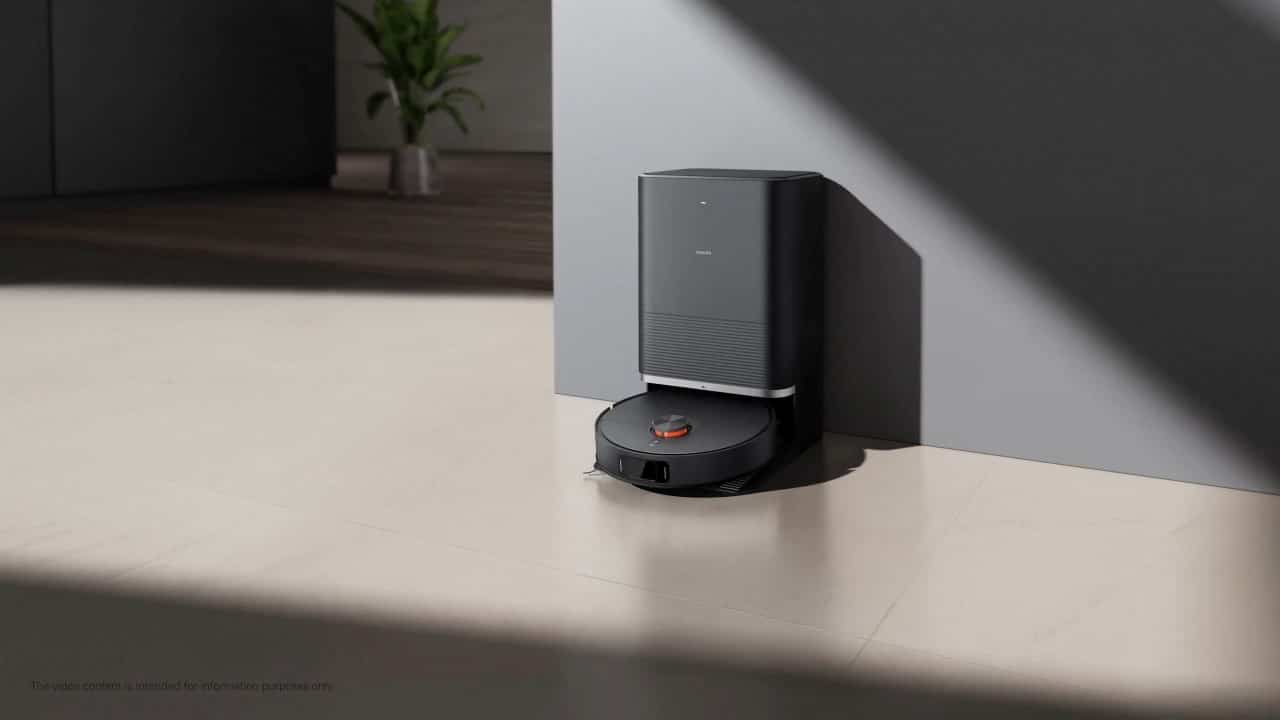
Asian manufacturer Xiaomi has officially announced the arrival of its latest and most advanced device for automated home cleaning on the Chinese market. The equipment introduces an unprecedented set of technologies focused on autonomous navigation, overcoming physical obstacles and extreme suction power. The launch marks a significant advancement in the company’s smart home portfolio, integrating cutting-edge hardware with machine learning algorithms.
The new model was designed to meet the demands of modern homes that feature complex layouts and different types of surfaces. Focusing on operational efficiency, the device acts independently in vacuuming, scrubbing and mapping environments.
The main technological innovations present in the equipment include the following operational highlights:
– Sistema panoramic view with three integrated cameras.
– Reconhecimento of hundreds of dirt objects and categories.
– Estrutura adaptive physics with bionic robotic legs.
– Capacidade of suction that reaches the mark of 35,000 Pa.
The product presentation reinforces the brand’s strategy of investing heavily in research and development for the smart home appliances sector. The integration of high-level artificial intelligence allows the robot to make real-time decisions, optimizing cleaning routes and avoiding interruptions caused by forgotten objects on the floor, which represents a leap forward compared to previous generations of autonomous vacuum cleaners.
Advanced navigation and visual recognition system
The equipment’s navigation system is driven by a set of three high-precision cameras that guarantee a panoramic view of the environment. Essa hardware configuration works together with dedicated processors to map the rooms of the home with millimeter accuracy. The technology allows the device to understand the depth and arrangement of furniture in real time.
The artificial intelligence embedded in the device was trained to recognize up to 280 different types of objects that are commonly spread across the floor of homes. Além In addition, the system can identify 47 different categories of dirt, automatically adjusting the cleaning mode according to the location’s needs. Essa adaptability drastically reduces the need for human intervention during the cleaning cycle.
One of the great differences of this visual technology is the precision in detecting extremely small and dangerous items for the robot’s operation. The equipment can identify and bypass headphone cables that are just 3 millimeters thick, preventing the wires from getting tangled in the rotating brushes and causing the main motor to jam.
Physics engineering with bionic legs and articulated arms
The physical structure of the vacuum cleaner presents mechanical innovations that are rare in the home appliance market, highlighting the inclusion of double bionic robotic legs. Esse lifting mechanism allows the appliance chassis to rise to overcome considerable physical obstacles such as steps, door sills or thick carpets up to 6 centimeters high. Essa feature solves one of the most common problems faced by users of robot vacuum cleaners, who often find their devices stuck between rooms with uneven floors, ensuring a fluid transition throughout the entire length of the home.
Complementing advanced mobility, the equipment’s design maintains a low profile, with just 9.3 centimeters in total height, which makes it easy to enter and move under sofas, beds and shelves. The peripheral cleaning system has three directed robotic arms that extend to sweep the edges of walls, apply a damp mop and sanitize hard-to-reach corners. Esses articulated arms are also programmed to contour around furniture legs precisely, ensuring that dust accumulated in these critical areas is completely removed during the device’s passage.
Extreme performance with record suction power
The device’s internal engine sets a new power standard within the Asian manufacturer’s product ecosystem. Suction capacity reaches an impressive 35,000Pa, a number substantially higher than the average found in competing high-end devices.
This extreme level of vacuum strength allows the equipment to extract fine dust embedded in the fibers of dense carpets and pick up heavy debris on cold floors with extreme ease. The operation occurs simultaneously, where the robot vacuums, mops and scrapes the floor surface in a single continuous pass.
Scrubbing efficiency is guaranteed by a highly controlled fluid distribution system. The mop module receives water through 16 strategically positioned outlet holes, which keep the fabric evenly moistened throughout the entire journey.
This constant hydration of the mop prevents the collected dirt from being spread to other clean areas of the house. The mechanism works directly to remove dry stains and sticky residues that require continuous friction to be released from the floor.
Autonomous maintenance and failure prevention mechanisms
To minimize the need for manual cleaning of the robot’s own parts, the product engineering incorporated a high-efficiency anti-tangle system. The rotating main brush has integrated blades that automatically cut hair and pet hair that tends to get tangled around the central shaft of the component.
The side brushes also received an optimized design to expel long hairs, directing them directly to the main suction nozzle. Essas mechanical solutions extend the useful life of moving parts, reduce the frequency of preventive maintenance carried out by the user and avoid abrupt interruptions during daily cleaning routines.
Smart connectivity and remote home monitoring
The device’s integration with the smart home ecosystem occurs natively through the Mi Home application, which centralizes all of the device’s advanced commands and settings. Through the digital interface, homeowners can establish detailed cleaning schedules, define virtual exclusion zones where the robot should not enter, and adjust suction power for each specific room in the home. Operational control is expanded by compatibility with voice commands processed by the Xiao AI virtual assistant, allowing you to start or pause hygiene cycles without having to touch your smartphone. Além of the functions strictly linked to cleaning, the set of high-resolution cameras built into the chassis transforms the vacuum cleaner into a mobile security monitoring center. Users can access real-time video streaming through the app to check the status of their home, observe the behavior of pets while they are at work and even make two-way video calls remotely using the equipment’s built-in microphones and speakers.
Commercial positioning and launch values
The commercial launch of the new vacuum cleaner took place exclusively in the China market, without immediate confirmation of dates for global expansion. The model equipped with the smart water tank arrived in Asian stores with a suggested price starting at 6,599 yuan, a value that corresponds to approximately R$4,956 in direct currency conversion, positioning the product in the premium segment of luxury home appliances.
Technological evolution of autonomous household appliances
The introduction of technologies such as bionic legs and 35,000Pa suction demonstrates a paradigm shift in the development of home robots. Manufacturers are moving from focusing on basic automation to investing in solving complex physical problems that limited the effectiveness of these devices in real environments.
The new equipment consolidates the trend of transforming vacuum cleaners into multifunctional platforms that combine heavy-duty cleaning, artificial intelligence and home security. The ability to operate almost completely independently in adverse scenarios sets the new standard for the next generations of devices aimed at home maintenance.
