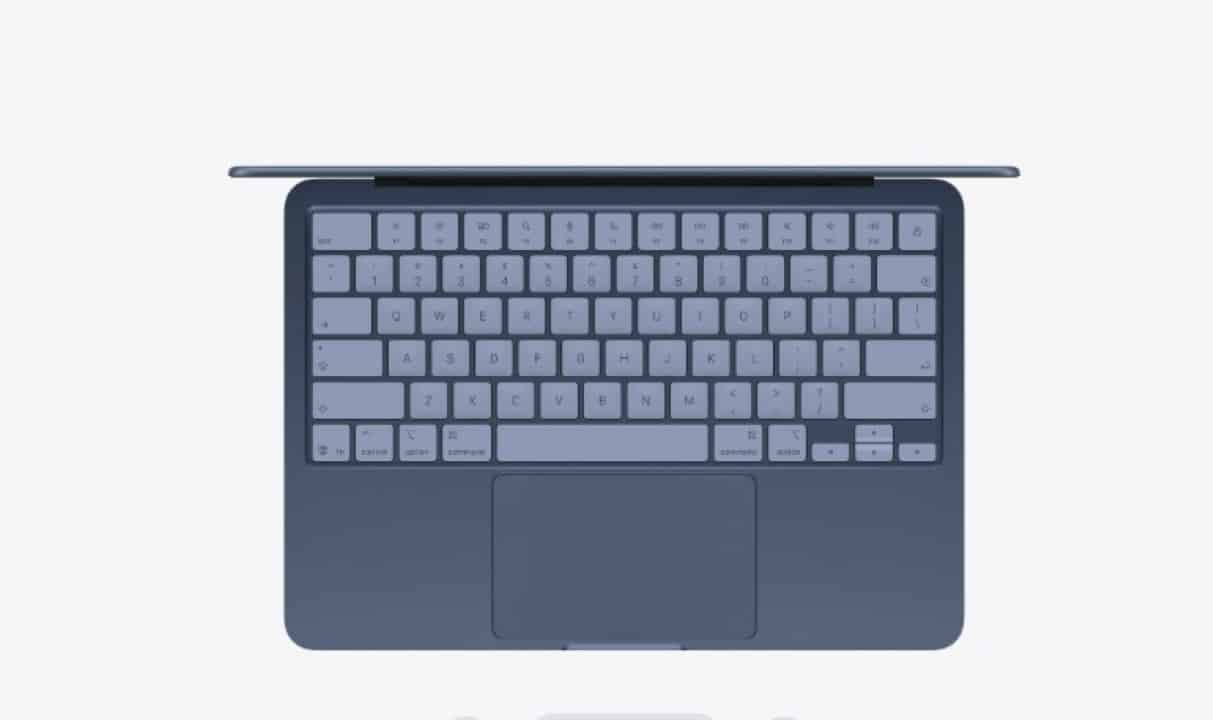
The technology giant based in Cupertino announced the arrival of new equipment aimed at the entry-level segment, redefining its operations in the global electronics sector. The device hits the shelves at a highly competitive price, aiming to attract consumers looking for complete operating systems without the need for high initial investments in hardware.
The commercial movement contrasts sharply with the positioning adopted by the brand over the last decade, a period in which tablets were extensively promoted as the natural and inevitable replacement for conventional notebooks. The offer of a traditional device, equipped with an integrated physical keyboard and trackpad, signals a profound adjustment in the manufacturer’s consumption projections and development philosophy.
Technology experts and market analysts point out that the initiative aims to recover space in specific consumer niches, especially in those dominated by devices with low-cost competing operating systems. The decision directly affects the way students, educational institutions and small business professionals view the acquisition of daily work tools, changing the dynamics of competition in retail.
Pricing strategy and impact on electronics retail
The value set at around five hundred and ninety-nine dollars puts the new equipment on a direct collision course with devices widely consolidated in the corporate and school environment. The manufacturer seeks to attract a price-sensitive audience, which historically opted for alternatives based on third-party platforms due to the severe financial barriers imposed by premium line products.
The inclusion of functional physical ports and a design focused on immediate utility demonstrates a pragmatic reading of the daily needs of common users. The absence of mandatory adapters for basic connectivity tasks reduces the hidden cost often associated with the brand’s products, making the value proposition much more transparent for the strictly budgeting end consumer.
Specialized retail is already preparing for a significant change in the sales flow, anticipating a migration of customers who previously considered the company’s tablets as the only viable option to enter the ecosystem. The product’s large-scale availability should reconfigure the storefronts of the main electronics distribution networks around the world.
– The equipment comes with the native desktop operating system from the factory.
– The keyboard and trackpad are part of the main structure, at no extra cost.
– The main focus of the hardware is on durability and energy efficiency.
Changing narrative about the usefulness of tablets
For years, global advertising campaigns have emphasized that touchscreen devices represent the absolute cutting edge of mobile productivity. The central message suggested that the era of traditional computers was coming to an end, being quickly replaced by interfaces based on gestures, direct touches on the screen and the use of digital pens for creative and administrative tasks.
The introduction of an affordable notebook serves as a practical recognition that complex workflows still demand the robust architecture of a desktop operating system. The management of multiple simultaneous windows and the organization of files in traditional directories continue to be non-negotiable requirements for a significant number of buyers who need efficiency and speed in carrying out routine tasks.
Real cost of accessories and consumer perception
Purchasing a tablet aimed at productivity invariably required the purchase of additional peripherals, such as covers with a built-in keyboard and specific approved mice. Esses complementary items raised the final cost of the set to levels much higher than those of many high-performance notebooks available on the market, undermining the idea of an affordable entry-level product.
Consumers often reported frustration when they found the promise of a cost-effective device undone at the very moment of adding the accessories strictly necessary for extended typing or document editing. The financial equation made the mobile platform less attractive for restricted budgets, pushing customers towards solutions from competing brands that already offered the complete package.
The new launch eliminates this commercial barrier by offering an integrated solution from the moment the product is taken out of the box by the user. The direct approach simplifies the purchasing decision process, especially for parents of students and small business managers who need to equip their teams without surprises in the final bill.
Operational advantages of the table system for students
The architecture of the desktop operating system provides a multitasking environment that aligns much more naturally with contemporary academic requirements, allowing the simultaneous execution of heavy word processors, browsers with multiple open tabs and data analysis software without choking. System stability and native compatibility with distance learning platforms drastically reduce the time spent on configuration and file format adaptations, a recurring problem in mobile operating systems that have only been adapted for larger screens, but which maintain background processing limitations.
Professionals who work remotely or hybrid also find a structural familiarity in the desktop environment that accelerates the learning curve and maintains productivity at high levels throughout the journey. The absence of artificial limitations imposed by closed app stores allows the direct installation of open source tools and legacy software critical to enterprises, ensuring that equipment meets a much wider range of technical requirements without the need to seek complex workarounds or rely on updates from third-party developers focused solely on the mobile environment.
Dispute for space in educational institutions
The education sector represents one of the most lucrative and strategic battlegrounds for large technology companies, as early familiarization of children and teenagers with a specific ecosystem tends to generate long-term brand loyalty, influencing purchasing decisions in adulthood. Historicamente, the attempt to introduce tablets into classrooms was met with strong resistance from educators accustomed to assessment methods based on rapid typing and the extreme technical difficulty of managing fleets of thousands of mobile devices in complex school networks. Administradores of information technology frequently pointed to the fragility of exposed glass screens and the high cost of replacing lost or damaged peripherals as impediments to mass adoption in school districts. By offering a traditional notebook, built with resistant materials and positioned at an aggressive price in the market, the manufacturer begins to compete on total equal terms in government bidding and purchasing processes, offering a hardware tool that integrates perfectly with the network infrastructure already existing in schools and universities, without requiring the complete restructuring of computer laboratories or the retraining of teaching staff.
Corporate market reactions to the new positioning
Financial market analysts received the announcement of the new hardware with optimism, highlighting that the manufacturer’s strategic flexibility demonstrates the commercial maturity necessary for survival in a highly volatile sector. The ability to step back from a dogmatic view of product design to meet real and latent demand strengthens investors’ confidence in the company’s executive management.
The move also immediately puts pressure on electronic component manufacturers and partner automakers in Ásia to optimize their production lines to meet a volume of orders potentially much higher than that recorded in recent fiscal quarters. The global supply chain is already experiencing intense logistical movements to ensure the uninterrupted delivery of the inputs needed to assemble the new input equipment.
Perspectives for innovation in traditional hardware
The revitalization of the low-cost portable computer lineup opens up new space for future hardware upgrades that could eventually include new visual display technologies and advanced biometrics systems previously restricted to more expensive models. The return of corporate focus to the classic clamshell format indicates that product engineering will continue to invest heavily in incremental improvements to internal processing and thermal dissipation, ensuring the longevity and relevance of the notebook category in the brand’s overall portfolio for the next generations of consumers.
