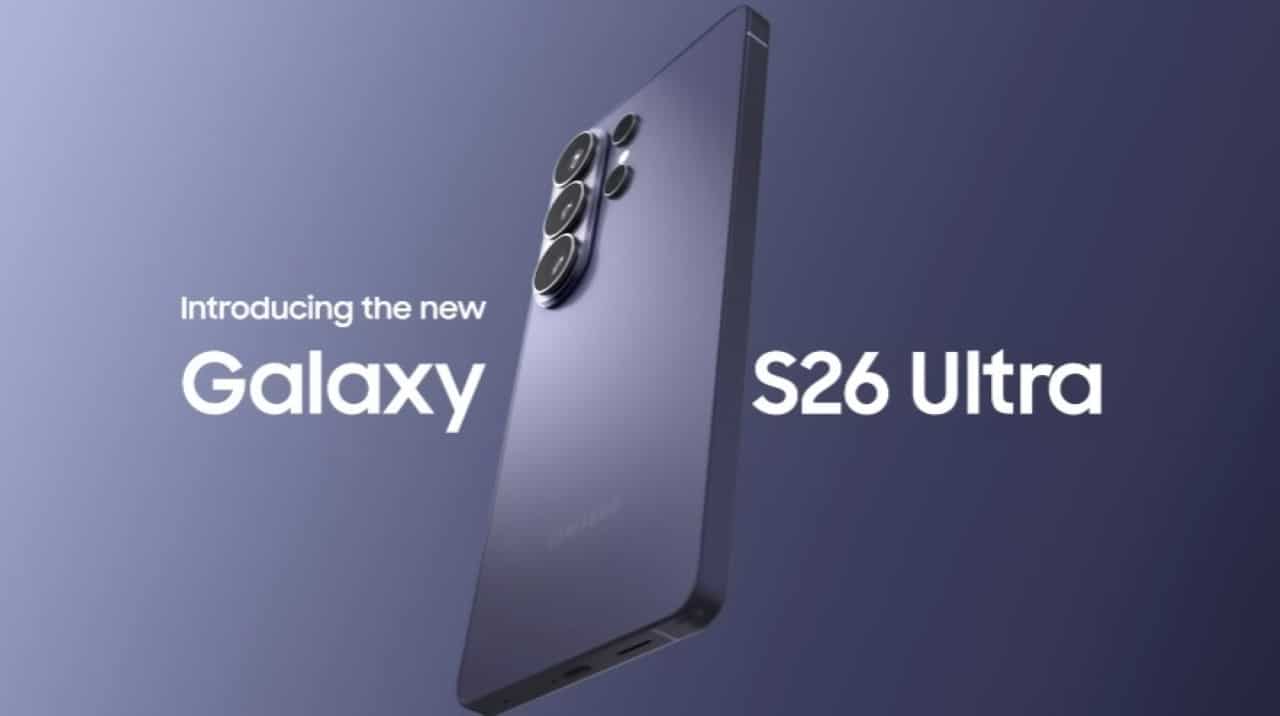
The South Korean electronics manufacturer issued a technical statement detailing the operation of the new visual protection system integrated into its latest generation smartphones. The technical document focuses specifically on the private screen feature, a technology designed to restrict the panel’s viewing angle and prevent third parties from observing the content displayed on the display. The guidance aims to align consumer expectations before the device arrives on the global market, establishing clear parameters on what the tool can or cannot perform in real usage scenarios.
The mechanism acts as a directional light filter, allowing only the user positioned directly in front of the display to read texts or view images clearly. Quando the owner disables the function in the operating system settings, the panel returns to its normal omnidirectional light emitting state, operating identically to any other standard display available in the mobile device industry. The transition between modes occurs instantly via software, without the need to restart the equipment.
Despite the advancement in hardware, the company emphasizes that the tool has physical restrictions and does not guarantee absolute invisibility in all daily use scenarios. Fatores External and internal configurations of the device itself directly interfere with the effectiveness of visual blocking, requiring the operator to understand the optical mechanics of the system to avoid accidental exposure of banking, corporate or personal information in high-traffic locations.
Visual blocking and light scattering mechanics
The technology implemented in the mobile device’s panel uses an optical layer superimposed on the pixels to control the direction of the emitted lighting. Este hardware component acts similar to microscopic blinds, which block light at side angles greater than a limit predetermined by product engineering.
The main objective of this engineering is to combat the practice known as shoulder spying, which is very common in high-density environments, such as subway cars, buses and food courts. By restricting light emission to the sides, the system creates an exclusive viewing zone for the equipment operator, making it difficult for people positioned next to the user to read.
The development of this component required adjustments to the panel’s color calibration and maximum brightness to ensure that image quality was not severely degraded when the filter was inactive. Deep integration between the display hardware and power management software allows for instant feature activation without compromising the display’s refresh rate.
Environmental factors that interfere with the effectiveness of the system
The effectiveness of visual blocking depends on a combination of physical variables that are beyond the control of the device’s software. The intensity of lighting in the environment around the user is one of the most critical factors, as excessively dark locations increase the contrast between the illuminated screen and the background, making it easier for people nearby to identify bright shapes and colors, even at oblique angles. On the other hand, environments with direct sunlight can cause reflections on the front glass that cancel out part of the lateral darkening effect projected by the internal filter.
Another determining element is the brightness level configured manually or automatically on the smartphone itself. Quando the panel operates at its maximum luminous capacity, the amount of photons emitted can partially bypass the physical barriers of the privacy layer, resulting in a noticeable light leak at the edges of the viewing angle. The manufacturer advises that brightness calibration must be maintained at intermediate levels so that the technology reaches its maximum level of efficiency in public spaces, balancing readability for the device owner and opacity for external observers.
Technical guidelines for tool optimization
To ensure the proper functioning of the visual protection layer, the positioning of the equipment in relation to the operator’s face must follow specific geometric parameters. The technical recommendation indicates that the smartphone should be kept at a right angle, perpendicular to the user’s line of vision, maximizing light delivery on the central axis.
Excessive vertical or horizontal tilts on the part of the owner may cause the screen to darken, impairing usability and reading long texts. Focal length also plays a role in the perceived sharpness of content displayed under the activated filter layer.
The proximity of third parties is a variable that directly affects the security of the information displayed on the panel. Indivíduos positioned immediately behind the user, looking over their shoulders and within the central axis of vision, are not blocked by the technology, since the filter acts exclusively on lateral light emissions.
The company reinforces that the tool acts as a risk mitigation layer and does not replace basic information security practices when handling sensitive data. The ultimate responsibility for protecting content rests with user behavior in places with unrestricted public access.
Documented hardware variables and limitations
The technical document distributed by the manufacturer lists specific conditions where the leakage of visual information can occur more significantly. Estas characteristics are inherent in optical physics and affect all panels that utilize microscopic-scale light steering technologies.
The engineers responsible for the project mapped out the main visual vulnerability scenarios that owners should be aware of when operating equipment in busy areas:
- Displaying texts with enlarged fonts facilitates lateral reading, even with the drastic reduction in contrast generated by the filter.
- High-contrast images, such as black-and-white graphics or high-saturation photographs, maintain recognizable shapes outside the ideal viewing angle.
- The physical distance between the observer and the device changes the degree of distortion generated by the optical security layer.
- The use of third-party tempered glass or plastic protective films may interfere with light refraction and completely nullify the native privacy effect.
Adoption in the corporate sector and remote work routines
The exponential increase in remote work and the hybrid model of corporate operations has transformed smartphones into direct extensions of internal office networks. Profissionais frequently access databases, financial spreadsheets and confidential emails while moving through airports, train stations or waiting in hotel lobbies.
In this scenario of constant mobility, the implementation of a hardware layer aimed at visual restriction meets strict compliance requirements demanded by information technology departments. Empresas who deal with sensitive customer data look for equipment that offers physical barriers against the passive leakage of corporate information.
The native functionality eliminates the need to purchase and install separate privacy films, which often wear quickly, accumulate air bubbles and reduce the screen’s tactile response. The integrated solution ensures that the visual security protocol is always available to the employee with a simple touch on the operating system interface.
Optical engineering and power management
Building a panel with the ability to switch between open and closed viewing angles involves significant materials engineering and thermodynamics challenges. The light control layer needs to be thin enough not to distort color emission when turned off, but dense enough to block lateral scattering when activated by the user. Este process directly affects the energy efficiency of the display module, since directional blocking requires the light-emitting diodes to operate with greater intensity to pass through the restrictive filter and reach the operator’s eyes with the same clarity as a conventional screen.
To compensate for this additional drain on battery power, the smartphone’s operating system employs advanced electrical management algorithms. Sensores of ambient brightness work together with the privacy layer to adjust the voltage sent to the pixels in real time. If the device detects that the user is in a brightly lit environment, the software calibrates the light output to maintain readability, which may alter the effectiveness of side blocking. Essa dynamic management highlights the technical complexity of maintaining visual privacy without sacrificing the autonomy of the mobile device during prolonged use.
Integrating security into the mobile ecosystem
The adoption of visual barriers integrated into hardware reflects a profound change in the security architecture of personal communication devices, which historically relied solely on encryption software, alphanumeric passwords and biometric readers to protect data stored in memory. The need to shield the device’s physical interface arises from the increased use of financial applications and corporate communication platforms in shared urban infrastructures. By transferring the responsibility for visual protection from external accessories to the display structure itself, the semiconductor industry seeks to offer a native solution that does not compromise touch sensitivity or the operation of ultrasonic fingerprint readers embedded under the glass. Esta approach requires a precise manufacturing balance, as the addition of optical layers increases the thickness of the display module and demands highly specialized vacuum lamination processes on assembly lines.
Operational recommendations in public spaces
Final guidance from hardware experts points to the need for continuous situational awareness on the part of the equipment operator. Light steering technology acts as a harm reducer against casual observations, requiring the user to maintain control over the environment around them and avoid prolonged exposure of sensitive documents in places with high density of people and unpredictable pedestrian movement.
